

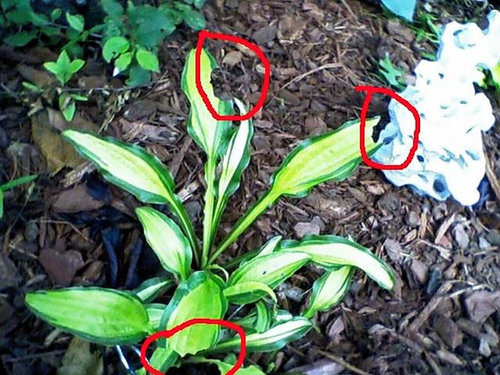
Holes in hosta
14 years ago
Sort by:Oldest
Comments (12)
Related Stories
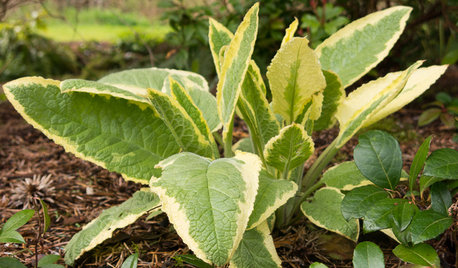
GARDENING GUIDESGreat Design Plant: Axminster Gold Comfrey for Sun or Shade
Plant this perennial for bold color that will light up shady spots, sparkle in the sun and add interest from spring until fall
Full Story
GARDENING GUIDESNew Ways to Think About All That Mulch in the Garden
Before you go making a mountain out of a mulch hill, learn the facts about what your plants and soil really want
Full Story
GARDENING GUIDESGarden-Friendly Native Alternatives to Overplanted Exotics
There are lots of gorgeous, wildlife-friendly native plants ready to make an appearance in your garden
Full Story
GARDENING GUIDES6 Unsung Bulbs for Fall Planting
Don't hang up your spade after summer — plant these unusual bulbs in fall for a spectacular spring show
Full Story
PLANTING IDEASThese Aren’t Your Grandparents’ Junipers
Dislike junipers? Maybe it’s time to discover new varieties and new uses for this garden workhorse
Full Story
GARDENING GUIDESOh, Deer! 10 Native Flowers That Stand Up to the Herds
Keeping a garden amid hungry deer can be hard, but these plants should fare well
Full Story
GARDENING AND LANDSCAPINGBid Bad Garden Bugs Goodbye and Usher In the Good
Give ants their marching orders and send mosquitoes moseying, while creating a garden that draws pollinators and helpful eaters
Full Story
LANDSCAPE DESIGNHow to Create a Beautiful Shade Garden
Turn the cool, shady spot in your garden into your own quiet oasis
Full Story
FALL GARDENINGWhy Fall Is the Best Time for Planting
Spring is overrated for planting. Starting plants in autumn has advantages for both garden and gardener
Full Story
PLANTING IDEASFerns: A Shade Gardener’s Best Friend
Bring rich texture and contrast to a dark woodland landscape with wonderfully diverse ferns
Full Story
ken_adrian Adrian MI cold Z5
bentleygardens
Related Professionals
Westminster Landscape Architects & Landscape Designers · Cookeville Landscape Architects & Landscape Designers · Winona Landscape Architects & Landscape Designers · Fargo Landscape Architects & Landscape Designers · Meridian Landscape Contractors · Lubbock Landscape Contractors · Pocatello Landscape Contractors · Magog Landscape Contractors · Jacksonville Home Additions · West Palm Beach Home Additions · South Sioux City Home Additions · Jamestown Home Additions · San Luis Obispo Home Additions · Garden City Home Additions · Vernal Home Additionshosta_freak
in ny zone5
User
esther_bOriginal Author
donrawson
frostynyc
donrawson
irawon
esther_bOriginal Author
hostahillbilly