

Lawn Care 101 - Help!
12 years ago
Sort by:Oldest
Comments (2)
Related Stories
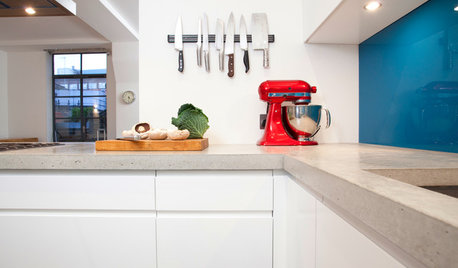
SHOP HOUZZShop Houzz: Knife Care and Storage 101
Help your good knives last a lifetime with these innovative cutlery-care solutions
Full Story0
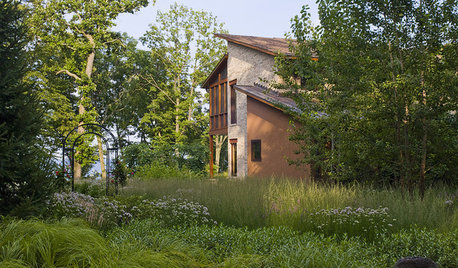
GARDENING GUIDES8 Unthirsty Plants Help You Save Water in Style
Spend less effort and money on your landscape with drought-tolerant and native plants that liven up your yard
Full Story
PETSHow to Help Your Dog Be a Good Neighbor
Good fences certainly help, but be sure to introduce your pup to the neighbors and check in from time to time
Full Story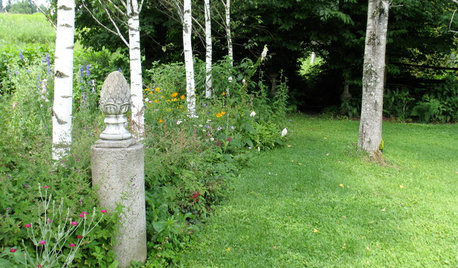
WINTER GARDENINGHow to Help Your Trees Weather a Storm
Seeing trees safely through winter storms means choosing the right species, siting them carefully and paying attention during the tempests
Full Story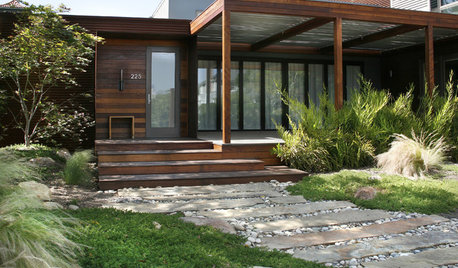
LANDSCAPE DESIGN7 Low-Maintenance Lawn Alternatives
Turf isn't the only ground cover in town. Get a lush no-grass lawn with clover, moss and other easy-care plants
Full Story
FRONT YARD IDEASBefore and After: Front Lawn to Prairie Garden
How they did it: Homeowners create a plan, stick to it and keep the neighbors (and wildlife) in mind
Full Story
MOST POPULARMeet a Lawn Alternative That Works Wonders
Carex can replace turfgrass in any spot, is low maintenance and adjusts easily. Add its good looks and you’ve got a ground cover winner
Full Story
COMMUNITYWant a Cleaner, Safer Neighborhood? Show You Care
Our behavior strongly influences others, says a new study. Show neighbors you care about your street and watch them follow suit
Full Story
GARDENING GUIDESTree Care: Common Tree Diseases and What to Do About Them
Learn to recognize trees that may be affected by diseases or pests so you can quickly take action
Full Story
GARDENING GUIDESHow to Keep Your Trees Healthy
Ensure your trees’ vigor for years to come with these tips for protecting roots, watering effectively and more
Full Story
Sponsored
gardengal48 (PNW Z8/9)
Tiffany, purpleinopp Z8b Opp, AL
Related Professionals
Magnolia Landscape Contractors · Indianapolis Landscape Contractors · Lake Charles Landscape Contractors · Coeur d'Alene Landscape Contractors · Pocatello Landscape Contractors · Mountain Home General Contractors · Rome General Contractors · Great Bend General Contractors · Aiken General Contractors · Plymouth General Contractors · South Sioux City General Contractors · Lima General Contractors · Erie General Contractors · Blythe General Contractors · Williston General Contractors