

Dry Shade
20 years ago
Sort by:Oldest
Comments (12)
Related Stories
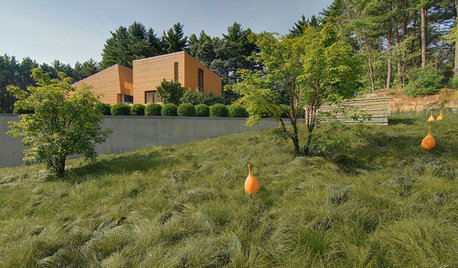
FLOWERS AND PLANTSCarex Pensylvanica Fills the Void in Dry Shade Gardens
Plant Pennsylvania sedge in eastern U.S. woodlands or dry shade gardens for spring flowers and softly textured bright green leaves
Full Story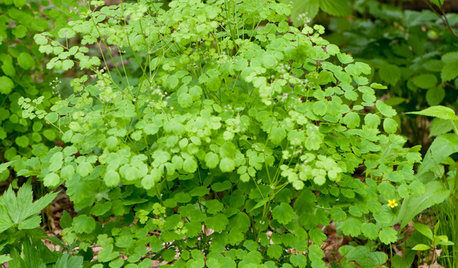
GARDENING GUIDESGreat Design Plant: Thalictrum Dioicum Thrives in Dry Shade
Plant early meadow-rue in eastern U.S. woodland gardens for its tolerance of dry sites and shade
Full Story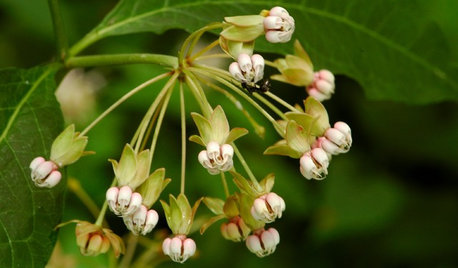
GARDENING GUIDES5 Unsung Wildflowers That Thrive in Dry Shade
Turn shady problem spots into garden idylls with with these prolific, easy-care bloomers
Full Story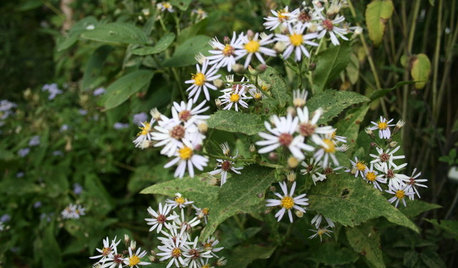
GARDENING GUIDES6 Native Ground Covers for Tough, Dry Spots
Sun beating down on your sandy gravel? Thick shade darkening your clay soil? There’s a ground cover here for you
Full Story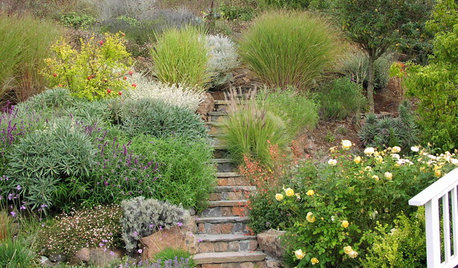
GARDENING GUIDESYes, You Can Grow an Edible Garden on a Hot, Dry Site
Difficult garden spots don’t need to deter you from planting trees, herbs and other delicious food plants
Full Story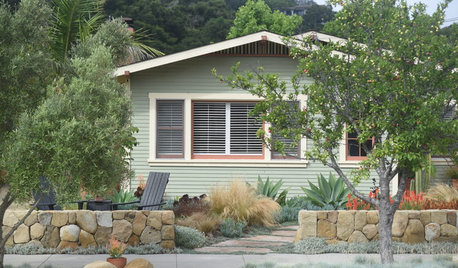
LANDSCAPE DESIGNHow and What to Plant in Dry, Sunny Spots
Save water and improve your site’s look with these design tips and help from a pro
Full Story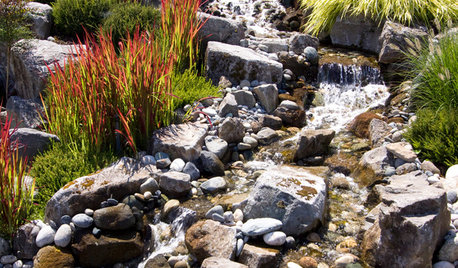
LANDSCAPE DESIGNDitch the Ordinary Ditch: Create a Realistic Dry Creek Bed
Here’s how to turn your water runoff system into an eye-catching accent for your landscape
Full Story
GARDENING GUIDESGardening Solutions for Dry, Sandy Soils
Has your desert or beachy site withered your gardening creativity? Try these ideas for a beautiful, easy-care landscape
Full Story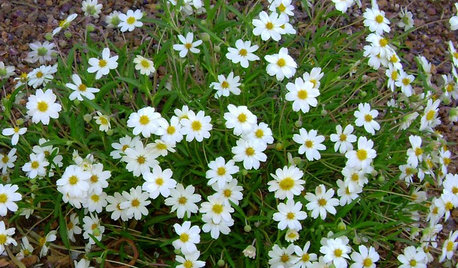
GROUND COVERSGreat Design Plant: Blackfoot Daisy for Prettier Dry Ground
Don’t let its delicate looks fool you. This ground cover can survive extreme cold and heat, and with little water to boot
Full Story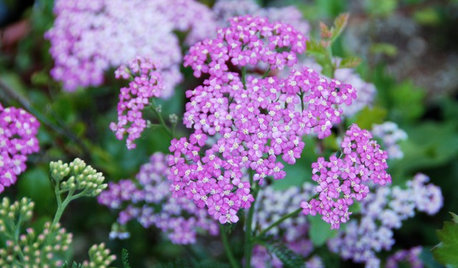
GARDENING GUIDESGreat Design Plant: Achillea Millefolium for Dry California Gardens
Yarrow attracts painted ladies and scares off garden thugs in native habitats and vegetable gardens
Full Story
Sponsored
Embothrium
kkaren_marie
Related Professionals
Birmingham Landscape Architects & Landscape Designers · Baton Rouge Landscape Architects & Landscape Designers · Bloomington Landscape Architects & Landscape Designers · Platteville Landscape Architects & Landscape Designers · Stockton Landscape Architects & Landscape Designers · Jackson Landscape Contractors · Abilene Landscape Contractors · Monroe Landscape Contractors · Riverside Landscape Contractors · Stockton Landscape Contractors · Grand Junction Landscape Contractors · Magnolia Architects & Building Designers · Brattleboro Architects & Building Designers · Show Low Architects & Building Designers · Magog Architects & Building DesignersEmbothrium
gardengal48 (PNW Z8/9)
Embothrium
hemnancy
bananajoe
eric_in_west_seattle
debbb
northwestbirdluver
digdiva
Poochella