

Whacking ornamental grasses
20 years ago
Sort by:Oldest
Comments (5)
Related Stories

GARDENING AND LANDSCAPINGOrnamental Grasses in the Landscape
Low-maintenance grasses add beauty and motion to the garden
Full Story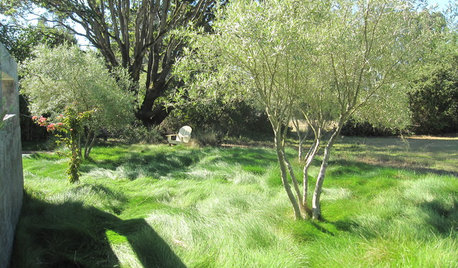
GARDENING AND LANDSCAPING7 Ornamental Grasses for Coastal Gardens
These hardy seashore plants evoke the ocean, sway in the breeze and help prevent sand erosion in the landscape
Full Story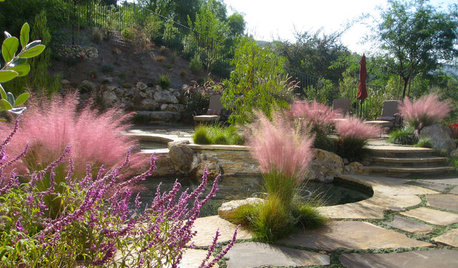
GRASSES10 Ways to Use Ornamental Grasses in the Landscape
These low-maintenance plants can add beauty, texture and privacy to any size garden
Full StoryGARDENING GUIDES8 Spectacular Grasses to Energize a Fall Garden
Dancing in the autumn wind or flowing along a flower bed, these ornamental grasses bring wonderful movement and color to the landscape
Full Story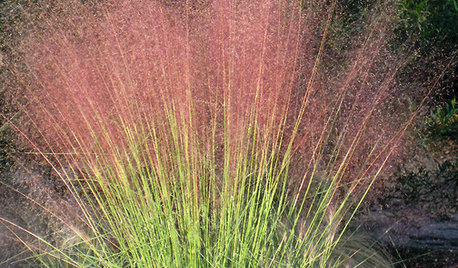
SUMMER GARDENINGGreat Design Plant: Pink Muhly Grass
Bring billowing clouds of pink to your yard with this heat-tolerant, sun-loving ornamental grass
Full Story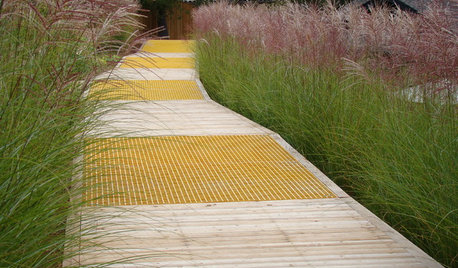
GARDENING AND LANDSCAPINGOld School Green Design: Add Texture With Grass
Ornamental grasses capture the breeze and ripple like water in the landscape
Full Story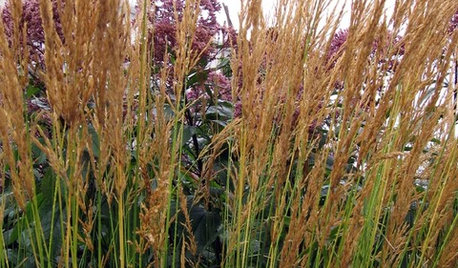
GOLD FOLIAGEGreat Design Plant: Feather Reed Grass
Use this ornamental grass for height, color, texture and motion in your landscape
Full Story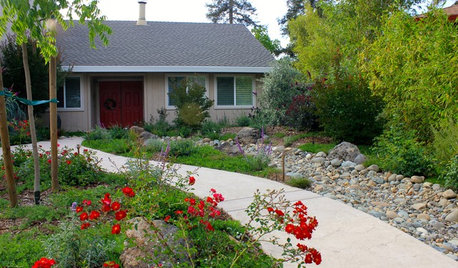
LANDSCAPE DESIGNCalifornia Says Goodbye to the Sprawling Ornamental Lawn
New state rules will effectively limit turfgrass to 25 percent of the landscape in most new and renovated yards
Full Story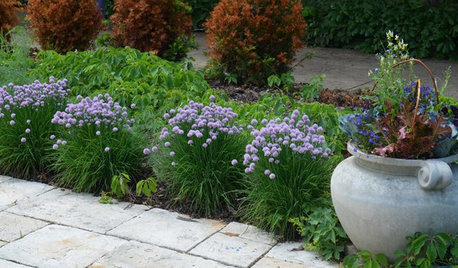
GARDENING GUIDESEdible Plants That Double as Ornamentals
Try growing these tasty plants with your ornamentals for an attractive garden and fresher meals
Full Story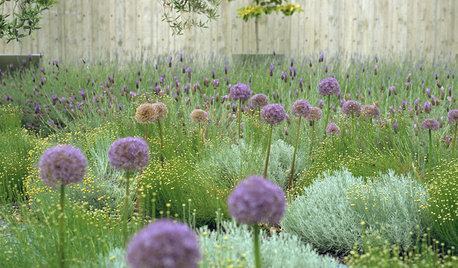
GARDENING GUIDESGreat Design Plant: Ornamental Allium
Lollipop blooms on tall, leafless stems add an architectural element to gardens of all styles
Full Story
pdxjules
buyorsell888
Related Professionals
Mobile Landscape Architects & Landscape Designers · Brunswick Landscape Architects & Landscape Designers · Topeka Landscape Architects & Landscape Designers · Lafayette Landscape Architects & Landscape Designers · Muncie Landscape Architects & Landscape Designers · Brainerd Landscape Architects & Landscape Designers · Sioux Falls Landscape Architects & Landscape Designers · Albuquerque Landscape Architects & Landscape Designers · Concord Landscape Contractors · Aurora Landscape Contractors · Chatham Landscape Contractors · Murfreesboro Architects & Building Designers · Burlington Architects & Building Designers · Madison Architects & Building Designers · Victoria Architects & Building Designersbotann
lisakk
Embothrium