

should I skip a year?
16 years ago
Sort by:Oldest
Comments (2)
Related Stories

DECORATING GUIDESSkip the Framer: 10 Creative Ways to Hang Art
Go beyond expensive mats and glass and display your art on skirt hangers, clips and more
Full Story
EXTERIORSSkip the Brick for a Statement-Making Chimney
Clad your chimney in metal, concrete or masonry for a dynamic architectural element and a most contemporary design
Full Story
COLORHow to Use Marsala, Pantone’s 2015 Color of the Year
Pantone digs deep and goes earthy with its selection. Here are ways to make it work in your home
Full Story
THE HARDWORKING HOME8 Laundry Room Ideas to Watch For This Year
The Hardworking Home: A look at the most popular laundry photos in 2014 hints that dog beds, drying racks and stackable units will be key
Full Story
HOLIDAYS8 Ideas for Welcoming the New Year
Host a champagne gathering, enjoy a family game night, take time for reflection or have a festive brunch
Full Story
LIFE10 Beautifully Simple Ways to Go Greener in the New Year
You may just find more green in your wallet along the way
Full Story
BATHROOM DESIGNNew Year's Resolutions for Your Bathroom Renovation
Add these smart design details for a safe, stylish and comfortable bathroom update
Full Story
SHOP HOUZZHouzz Products: Treat Your Rooms to Orange and Black All Year
It’s no trick. Furnishings and accessories in this bold color pairing keep spaces lively even after Halloween is over
Full Story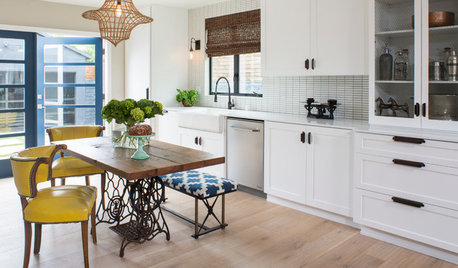
KITCHEN DESIGNGet Ideas From This Year’s Top 20 Kitchen Tours
Smart storage, functionality for cooks and families, vintage touches and lots of personality mark your favorites of 2015
Full Story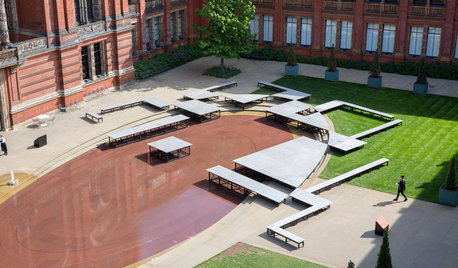
EVENTSPreview Some Captivating Art in This Year’s London Design Festival
The Victoria and Albert Museum’s LDF exhibits are about reflection, wearable art, tiny insects and lots of Swarovski crystals
Full Story
Sponsored

Kimmsr
vvesperOriginal Author
Related Professionals
Vincennes Landscape Architects & Landscape Designers · Rolla Landscape Architects & Landscape Designers · Spring Landscape Architects & Landscape Designers · Mankato Landscape Architects & Landscape Designers · Buffalo Landscape Architects & Landscape Designers · Los Angeles Landscape Architects & Landscape Designers · Amherstburg Landscape Architects & Landscape Designers · Toronto Landscape Architects & Landscape Designers · Gainesville Landscape Contractors · DeRidder Landscape Contractors · Ottawa Landscape Contractors · West Palm Beach Kitchen Remodelers · Oklahoma City Kitchen Remodelers · San Marcos Kitchen Remodelers · Niles Kitchen Remodelers