

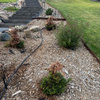
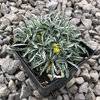
what is wrong with my shrub?
19 years ago


Sort by:Oldest
Comments (4)
Related Stories
GARDENING GUIDESWhat's Wrong With My Plant? Leaves Often Hold the Clues
Learn how to identify common plant ailments by reading their leaves
Full Story
GARDENING GUIDES8 Deer-Resistant Elegant Evergreen Shrubs to Plant This Fall
Who knew that such beautiful shrubs could be deer-resistant?
Full Story
GARDENING GUIDESHow to Prune Your Flowering Shrubs for the Best Blooms
Less is often more when it comes to properly pruning flowering shrubs. Here’s what to do and why
Full Story
GARDENING GUIDESHow to Avoid Overcrowded, Overpruned Shrubs
Go for a more natural look that’s easier and less expensive to maintain by giving your plants the right amount of growing room
Full Story
PURPLE FOLIAGE5 Purple-Leaf Majesties of Shrubs
Looking for beautiful depth and dynamism in your landscape? Just add purple
Full Story
LANDSCAPE DESIGNGreat Design Plant: Sun-Loving Bougainvillea Showers Yards With Color
Bring unbeatable vibrancy to a garden or wall with this unfussy and trainable shrub packed with colorful bracts
Full Story
GARDENING GUIDES9 Low-Growing Hedges That Make Good Neighbors
Define garden areas or borders without blocking the view, with these evergreen shrubs that take kindly to trimming
Full Story
GARDENING GUIDESGreat Design Plant: Oakleaf Hydrangea
Consider this full, flowering shrub for year-round beauty in the garden as you plan your fall plantings
Full Story
FLOWERS AND PLANTSHydrangea Arborescens Illuminates Garden Borders and Paths
This long-blooming eastern North American native shrub finds a home in landscapes around the world
Full Story
GARDENING GUIDESGreat Design Plant: Cephalanthus Occidentalis
Buttonbush is an adaptable woody shrub with delightful pincushion flowers
Full Story
fungus_among_us
Kimmsr
Related Professionals
Shreveport Landscape Architects & Landscape Designers · Cherry Hill Landscape Architects & Landscape Designers · Austin Landscape Architects & Landscape Designers · Elgin Landscape Architects & Landscape Designers · Mansfield Landscape Architects & Landscape Designers · Daytona Beach Landscape Contractors · Port Saint Lucie Landscape Contractors · Belleville Landscape Contractors · Myrtle Beach Landscape Contractors · Bend Landscape Contractors · Olympia Landscape Contractors · York Landscape Contractors · Springfield Kitchen Remodelers · Aberdeen Kitchen Remodelers · Duluth Kitchen Remodelersrhizo_1 (North AL) zone 7
truegreyOriginal Author