

rose blight?
16 years ago

Sort by:Oldest
Comments (3)
Related Stories
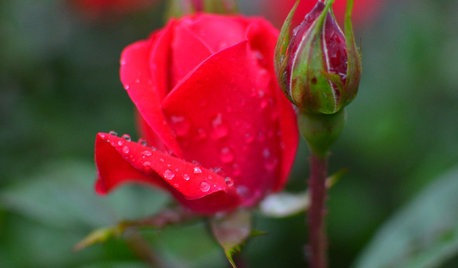
GARDENING GUIDESGreat Design Plant: Knock Out Roses
As glorious as their high-maintenance kin for a fraction of the work, Knock Out roses make even beginners look like garden stars
Full Story
WINTER GARDENINGCalifornia Gardener's January Checklist
Winter-defying blooms and pruning saws earn a cheer, while California-focused gardening design books get a well-deserved shout-out
Full Story
GARDENING GUIDESWhat Are Your Spring Gardening Plans?
Tearing out the lawn? Planting edibles? Starting from scratch? Tell us what you plan to change in your garden this year
Full Story
ARCHITECTURETell a Story With Design for a More Meaningful Home
Go beyond a home's bones to find the narrative at its heart, for a more rewarding experience
Full Story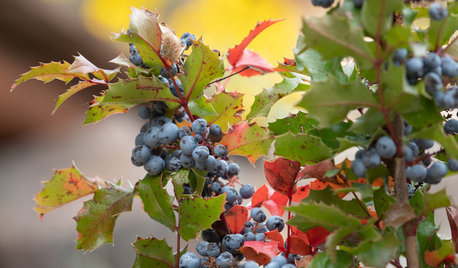
GARDENING GUIDES8 Deer-Resistant Elegant Evergreen Shrubs to Plant This Fall
Who knew that such beautiful shrubs could be deer-resistant?
Full Story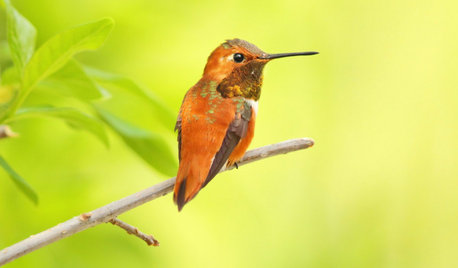
GARDENING GUIDESBackyard Birds: Invite Entertaining Hummingbirds Into Your Garden
Hummingbirds — unique to the Americas — zip through open landscapes seasonally or year-round. Here’s how to attract them
Full Story
GARDENING GUIDESSoutheast Gardener's March Checklist
Start fresh by envisioning new plant combinations as you tend to fruit trees and rosebushes — and watch out for those darned voles
Full Story
LANDSCAPE DESIGNTouches of Grandness for the Garden
You don’t need a king-size yard to add a little formality to your landscape with fanciful hedges, topiaries and paths
Full Story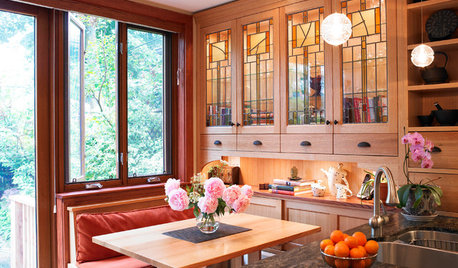
KITCHEN DESIGN9 Creative Looks for Kitchen Cabinets
When plain cabinet finishes just won’t cut it, consider these elegant to inventive approaches
Full Story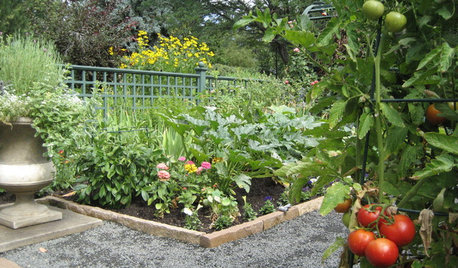
GARDENING GUIDESPacific Northwest Gardener: What to Do in June
Now's the time to prune pines and vines, prevent pests and buy June-blooming plants to keep your garden healthy and beautiful
Full Story
Sponsored
jean001
brass_tacks
Related Professionals
Wilmington Landscape Architects & Landscape Designers · Houma Landscape Architects & Landscape Designers · Cumberland Landscape Architects & Landscape Designers · Pittsfield Landscape Architects & Landscape Designers · Lagrange Landscape Architects & Landscape Designers · Mobile Landscape Contractors · Panama City Landscape Contractors · Emporia Landscape Contractors · Lafayette Landscape Contractors · Jacksonville Landscape Contractors · Austin Landscape Contractors · New Haven Landscape Contractors · Amherstburg Landscape Contractors · Augusta Kitchen Remodelers · Middletown Kitchen RemodelersKimmsr