

Ant with loud pinch?
17 years ago
Sort by:Oldest
Comments (13)
Related Stories
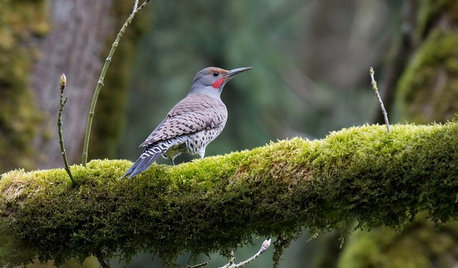
GARDENING GUIDESBackyard Birds: Healthy Home Habitats for Northern Flickers
These colorful woodpeckers found across the U.S. and Canada love berries, seeds and ants and often nest in deep burrows in trees
Full Story
COLORColor of the Week: Spring Blossom Yellow
Tired of winter yet? Bring on spring with our featured color of the week
Full Story
PRODUCT PICKSGuest Picks: Indispensable Tools for DIYers
Build your tool arsenal with these, and you’ll have the right equipment for any home project you take on
Full Story
40 Stylish Gifts for Modern Men
Houzz Gift Guide 2010: What to Buy for the Guy Who Has (Almost) Everything
Full Story
BEFORE AND AFTERSInside Houzz: Ideabooks Propel a Major Chicago Remodel
Communicating redesign wishes was easy for a homeowner with Houzz’s tools at her fingertips
Full Story
DECORATING GUIDES30 Beautifully Inventive DIY Christmas Decorations
Get inspired to decorate your home with these easy and affordable holiday crafts
Full Story
HOUZZ TOURSHouzz Tour: Texas Family Trades Traffic Noise for Frog Songs
Modern glass and stone structures hug two waterways on a sprawling Texas Hill Country compound
Full Story
ECLECTIC HOMESHouzz Tour: Farmhouse Retreat With a Sophisticated Edge
Humor is part of the mix in a Pennsylvania weekend house decorated with antiques, art and repurposed vintage farm items
Full Story
EDIBLE GARDENSHow to Grow Your Own Sweet Summer Crops
This guide will help any gardener get started on growing the freshest warm-season veggies and berries for summer
Full Story
HOUSEKEEPINGGot a Disastrously Messy Area? Try Triage
Get your priorities straight when it comes to housekeeping by applying an emergency response system
Full Story
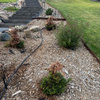
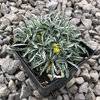
oilpainter
arizonarookOriginal Author
Related Professionals
Madison Landscape Architects & Landscape Designers · Tyler Landscape Architects & Landscape Designers · Waco Landscape Architects & Landscape Designers · Lawrence Landscape Architects & Landscape Designers · Portland Landscape Architects & Landscape Designers · Magnolia Landscape Contractors · Houma Landscape Contractors · Toms River Landscape Contractors · Lake City Kitchen Remodelers · Covington Kitchen Remodelers · Wilmington Kitchen Remodelers · Vineland Kitchen Remodelers · Spartanburg Kitchen Remodelers · Brooklyn Kitchen Remodelers · Portland Kitchen Remodelerstaz6122
rhizo_1 (North AL) zone 7
arizonarookOriginal Author
taz6122
gargwarb
gargwarb
taz6122
rhizo_1 (North AL) zone 7
User
rhizo_1 (North AL) zone 7
User