

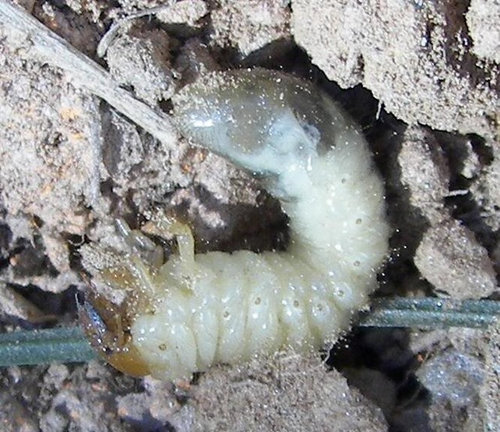
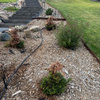
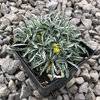
Could you please ID this larvae? (pic)
19 years ago
Sort by:Oldest
Comments (9)
Related Stories

SUMMER GARDENINGHouzz Call: Please Show Us Your Summer Garden!
Share pictures of your home and yard this summer — we’d love to feature them in an upcoming story
Full Story
GARDENING GUIDESGreat Design Plant: Silphium Perfoliatum Pleases Wildlife
Cup plant provides structure, cover, food and water to help attract and sustain wildlife in the eastern North American garden
Full Story
SMALL SPACESCould You Live in a Tiny House?
Here are 10 things to consider if you’re thinking of downsizing — way down
Full Story
MORE ROOMSCould Your Living Room Be Better Without a Sofa?
12 ways to turn couch space into seating that's much more inviting
Full Story
MODERN HOMESHouzz Tour: ’50s Ranch Redo Could Be a Keeper
An experienced house flipper puts his creative talents to work on an L.A. remodel designed for his own family
Full Story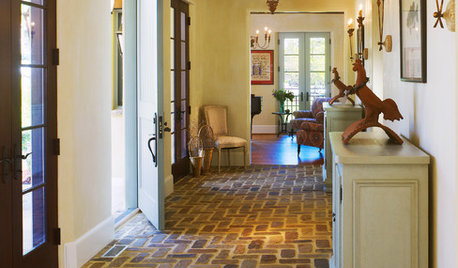
RUSTIC STYLEBrick Floors: Could This Durable Material Work for Your House?
You love the old-world look, but will you like the feel of it underfoot? Learn the pros and cons of interior brick flooring
Full Story
MOST POPULARA Fine Mess: How to Have a Clean-Enough Home Over Summer Break
Don't have an 'I'd rather be cleaning' bumper sticker? To keep your home bearably tidy when the kids are around more, try these strategies
Full Story
MOST POPULAR40 Dogs Who Are Having a Way Better Summer Than You
Houzzers share pics of their canine companions living it up — or getting down with relaxing — on warm days
Full Story
LANDSCAPE DESIGN13 Extra-Cool Things to Do With a Backyard
Sure, you could just plop down on a blanket. Or you could create a dragon’s lair, a mosaic gallery, a party in a jungle ...
Full Story
rhizo_1 (North AL) zone 7
alina_1Original Author
Related Professionals
Fort Myers Landscape Architects & Landscape Designers · Madison Landscape Architects & Landscape Designers · Cumberland Landscape Architects & Landscape Designers · Clarksville Landscape Architects & Landscape Designers · Akron Landscape Architects & Landscape Designers · Vancouver Landscape Architects & Landscape Designers · Athens Landscape Contractors · Norfolk Landscape Contractors · Champaign Landscape Contractors · Lewiston Landscape Contractors · Savannah Kitchen Remodelers · Westminster Kitchen Remodelers · Toledo Kitchen Remodelers · Santa Barbara Kitchen Remodelers · York Kitchen Remodelersjean001
Kimmsr
calliope
jean001
rhizo_1 (North AL) zone 7
alina_1Original Author
jean001