

Root Rot questions
14 years ago
Sort by:Oldest
Comments (2)
Related Stories

ARCHITECTURERoots of Style: Do You Live in a Minimalist Traditional House?
Cottages, bungalows, farmhouses ... whatever you call them, houses in this style share several characteristics. See how many your house has
Full Story
ARCHITECTURERoots of Style: Queen Anne Homes Present Regal Details
Complex facades with bay windows, multiple shingle patterns and even towers make these Victorian-era homes a sight to behold
Full Story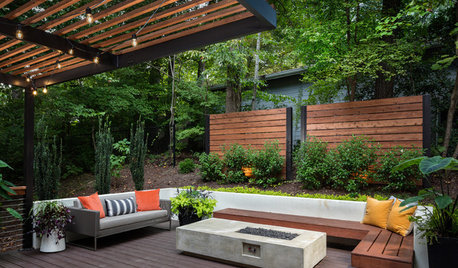
GARDENING AND LANDSCAPING8 Rot-Resistant Woods for Your Outdoor Projects
No need for chemical treatments on your deck or pergola. These woods stand up to weather, insects and time beautifully on their own
Full Story
ARCHITECTURERoots of Style: Where Did Your House Get Its Look?
Explore the role of architectural fashions in current designs through 5 home styles that bridge past and present
Full Story
TRADITIONAL ARCHITECTURERoots of Style: Italianate Architecture Romances the U.S.
With its towers, cornice details and more, Italianate homes have been enchanting Americans since the 19th-century romantic era
Full Story
ARCHITECTURERoots of Style: The Eclectic American Foursquare
The turn-of-the-20th-century style transitioned U.S. residential architecture from the Victorian era to the modern age
Full Story
ARCHITECTURERoots of Style: Ranch Architecture Roams Across the U.S.
Great remodeling potential and generously spaced sites make ranch homes ever popular. Is one of the many variations right for you?
Full Story
ARCHITECTURERoots of Style: Mission
Spanish colonial missions inspired a style of architecture still popular in the United States
Full Story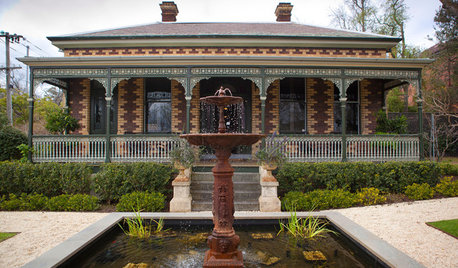
ARCHITECTURERoots of Style: The Historic Australian Brick House
With their mix of old-world charm and modern extensions, Australia’s brick villas and bungalows remain well designed for today’s lifestyles
Full Story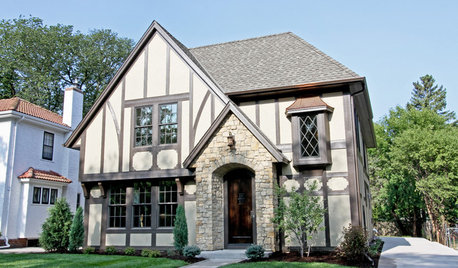
ROOTS OF STYLERoots of Style: The Indelible Charm of American Tudors
Rich details and an intimate scale give this English-inspired architectural style memorable character and flexibilty
Full Story
Sponsored
Edymnion
willardb3
Related Professionals
Evansville Landscape Architects & Landscape Designers · Gaithersburg Landscape Architects & Landscape Designers · Boston Landscape Architects & Landscape Designers · Leominster Landscape Architects & Landscape Designers · Niles Landscape Architects & Landscape Designers · Quincy Landscape Contractors · Longview Landscape Contractors · Minneapolis Landscape Contractors · Muskogee Home Builders · Beckley Home Builders · Auburn Home Builders · Riverside Home Builders · Boise Home Builders · Seattle Home Builders · Hilo Home Builders