Software
Houzz Logo Print
ebru74

High PH

15 years ago

Hello,

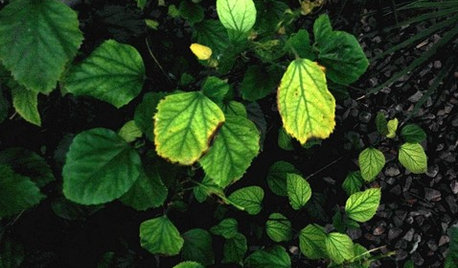
I tested the soil in the garden bed (recently put by gardner). It was home test and I know it doesn't do accurate reading but the result was what I was suspecting. Very high PH and very unhealthy plants with yellow crispy leaves. I have been searching for a quick solution but seems like we need to take all tomato plants into individual pots and replace the soil.

I went back to the web side of www.livingearth.com and check the soil types. Enriched top soil was listed as "not suitable for planting" That is exactly what it is in my garden beds (mixed with mulch )

Besides being highly disappointed I am afraid I will loose all my plants to the transplanting shock or something.

We are making a mix with garden mix and composted cow manure for the pots. We will get the soil replaced and transplant them back. The plants look o.k but they all lost their enthusiasm over growing.

Someone (I believe Betsy) said in another post that those seedlings will become your babies and there I am. After 2 months of love and care I am about the loose them to someone else's mistake...

Long story short; has anyone transplanted the tomatoes more than once? What was the waiting period in between...

thank you so much!

Comments (10)

  • 15 years ago

    elemental sulfur is probably the quickest and easiest solution

    compost will lower pH too but it take considerable time

  • 15 years ago

    I just tested mine too and it's high(8). I'm using a bit of sulfur myself this year. Nutrient levels are all a little low as well.

  • 15 years ago

    I didn't want to use sulfur because of the waiting time. It says at least 3 months to see the first effect and 1 full year to change PH 1 point. Not to mention I need to send to a lab to see what is actual PH and nutrition levels. I ended up opting out that. I have my plants ready and season ends on mid June in Houston (due to excessive heat)

    I hope plants will be O.K after transferring this much:(((

  • 15 years ago

    Based on the info provided, first, I wouldn't make any major decisions on the basis of one of those home soil tests kits. They are notoriously inaccurate and can easily lead you way off in the wrong direction and only make things worse.

    Second I would get a professional soil test done before you invest more money into what might be an easy fix soil. You will likely be surprised at how it is to at least begins to fix your existing soil.

    Next, while it is true that "enriched top soil" may not be ideal for growing many, many people garden in just that and do it successfully. So it is salvageable.

    So in the mean time is it possible given your short growing season remaining to just transplant and grow your plants in the containers? No secondary transplanting later. Granted they will have to be larger containers than you may have planned to use. But how many plants are we talking about? What kind of "mulch" is mixed in with your soil? If wood chips that may very well be your problem.

    While these plants are left to grow out in containers you can be working on improving the garden bed for your fall planting since you get 2 growing seasons. As mulio said elemental sulfur is the best bet IF you soil really is alkaline. Granted it takes a couple of months to effect large amount of change but you do get some immediate benefit from it too.

    Good luck with whatever you decide to do.

    Dave

  • 15 years ago

    Thank you Dave!

    I have thick wood chips in the topsoil since the gardner realized halfway along the job "enriched top soil" wasn't what I wanted and mixed with some humus (he said it was humus but I have never seen such a thing with big wood pieces in it). Some of the beds were already mulched (pretty much wood chips) . They mixed whatever in the bed at the end. Right now it is one big (actually 5) pot of sand, wood chips and wood leaves. I have planted some onions, zucchinis etc but none of them coming out. My old Garden Bed with our own mix on the other hand is blooming! (onions, beets, zuccinies, radishes) I did test on that one and the new ones. The result was pretty clear ; old bed is good, new beds are bad.
    I have 28 tomato plants, 4 peppers, 4 eggplants. I also separated one area for cucumber and watermelon.
    My old bed was 4X8 and 4 new ones are 5X10 feet (18 inch high). The topsoil also treaded with weed killing spray and it is mixed into the soil. Most of the leaves died in the beginning because of that and the rest was becoming brown everyday. We have pretty good weather around 70F during the day and 50F at night. (we also had nice rainy days too)
    My large pepper plant (hybrid, it is from a nursery and has been forgotten outside for several days, just waiting for me to plant him after 2 weeks of agony:)) start turning into yellow within two days of planting. I planted that thing immediately because roots were so squeezed and it was popping new leaves left and right.
    I will think thru what you have said. I am still convinced that will be hard for me to raise these in containers or fix the soil with in a week or so ...
    My plants are;

    Tomato:

    Black Krim
    Tropic
    Dona
    Omar's Lebanese
    Black Cherry
    Sprite
    1884
    Camp Joy
    Golden Egg
    Schellenger's favorite
    Creole
    Caspian Pink
    Red Brandywine
    Soldacki
    Aunt Ginnie's Purple
    Lemon Boy (Hybrid)

    Pepper:
    Goliath
    La Rouge
    Banana

    Eggplant:
    Dusky

  • 15 years ago

    Depending on the weed killer used you may have some serious issues with the tomatoes and/or others.

  • 15 years ago

    fix the soil with in a week or so ...

    No, not if the whole thing has been sprayed with weed killer. That is new info. We need to know specifically what was used and in what amounts. Weed killers don't belong in vegetable gardens.

    If it was just the wood chips that can be compensated for with high doses of nitrogen granular fertilizer. The wood is binding up all the nitrogen in the soil and you have to provide lots of supplemental nitrogen to compensate until it decomposes. Plus you can sift much of them out. Wood chips in a food garden are a PITB and serve no useful purpose IMO.

    Right now it is one big (actually 5) pot of sand, wood chips and wood leaves.

    Literally? That too is new info. Surely some soil/dirt? What % of each? That is almost pure carbon materials and no nitrogen. No wonder it would test out alkaline. And no nothing would grow in that. Now or 3 months from now. That mixture would need major work before planting. Have it soil tested to find out how much bulk quantity of nitrogen is needed to salvage it.

    Personally I'd treat them as compost bins for a year and work in massive amounts of what are called "greens", nitrogen sources - manures, high N organic and synthetic fertilizers, vegetable kitchen scraps, green grass clippings, alfalfa pellets, coffee grounds, etc.

    I'd strongly suggest that you drop over to the Soil forum here and do some reading there. Tons of good info on soil improvement, what constitutes carbons and nitrogen sources, etc.

    Dave

    Here is a link that might be useful: Soil forum

  • 15 years ago

    Ideally, it would be best to start over with a new bed. I'm up in Dallas and have used Living Earth's soil blend before with good results. They have a soil blend that is designed for the Houston area.

    For the bed with wood chips, you could add high nitrogen items like fresh grass clippings, coffee grounds, and cut up vegetable scraps from your local grocery store produce department and work them into what you already have. This bed would be ready for next year or maybe by this Fall.

    Weed killer is definitely not a good idea to use in beds that produce food we eat.

    Texas A&M does a basic soil test for around $20 and they give you recommendations of how to correct deficiencies found. Check in with the staff of an independent garden store for more info on your local soil.

    It is getting late for planting in your area, so act fast. You could also just amend your native soil with finished compost and some pelleted organic fertilizers(again ask someone at a local garden center or farm store, they'll have all the supplies and correct fertilizers also).

    Pete

  • 15 years ago

    Thank you Guys,

    When I talked to the gardener's that's what I have told them (livingearth houston mix). I don't know if it was the language barrier or something else but I ended up having something completely different.
    We removed the soil as of today. Buying containers, building additional beds, removing half of the soil and replacing only the top etc.. all being considered and this is what we have come up with. I am placing new soil in this weekend and putting the plants in.
    If I had more time or some alternative solution for the existing plants I would have fixed the garden beds and probably enjoy doing this. My initial tought was to mix cow manure (not composted) with hay (and 2000 worms) and leave it 6 months. Do a soil test and add more in according to the soil test. Rain, time, nitrogen in the cow manure, hay and hard working worms would probably solve the problem but as I said I don't have enough time or resources to take care existing plants right now.
    All of the information that you have provided was very valuable. Again, thank you so much

  • 15 years ago

    If you truly have high ph, water your plants with water, fertilizer (since you have wood chips tying up the nitrogen) and vinegar added to the water. If your soil is truly high ph, vinegar added to the water will reduce this. Use about 1/2 cup of white vinegar per gallon of fertilizer/water solution to lower the ph. If you keep doing this all season, you'll be able to drop your ph, and keep it to a low enough level to support your plants. I'd use 1/2 cup per gallon of water if your soil is around 8-9, if it's lower than that, use less vinegar per gallon. You should be able to muddle through this year and get some yield on your plants. Use the vinegar/water/fertilizer solution once a week, the rest of the time water with water/vinegar as needed. Keep checking your ph to see if it changes and adjust as needed.