

Breathing Room / Maybe not!
17 years ago
Sort by:Oldest
Comment (1)
Related Stories
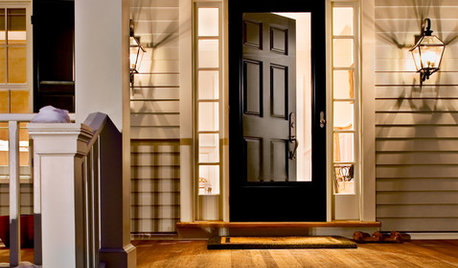
DOORSScreen Doors Bring a Breath of Fresh Air
Give your house a little breathing room with a classic or contemporary screen door
Full Story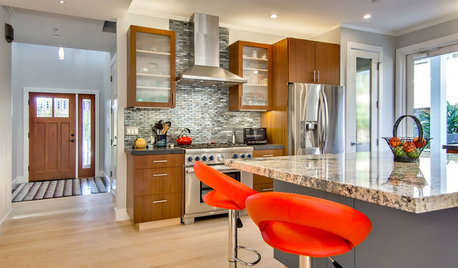
KITCHEN DESIGNKitchen of the Week: Breathing Room for a California Family
Wide-open walkways and generous storage give a couple who love to host all the kitchen space they need
Full Story
COFFEE WITH AN ARCHITECTTake a Breath, Relax — It's Just Design
Some prescriptions for some perspective, by an architect who has a hard time letting go
Full Story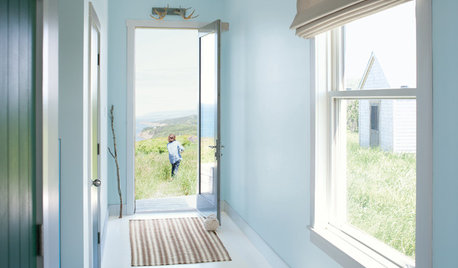
COLORBenjamin Moore Floats Breath of Fresh Air as Its Color of 2014
Touted as a new neutral, this baby blue can stand on its own or support bolder colors. Here's how to use it
Full Story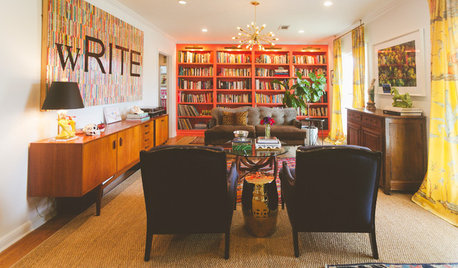
HOUZZ TOURSMy Houzz: Austin Family Breathes New Life Into an Old Bungalow
Homeowners brighten up their 1948 fixer-upper with new floors, marble countertops and so much more
Full Story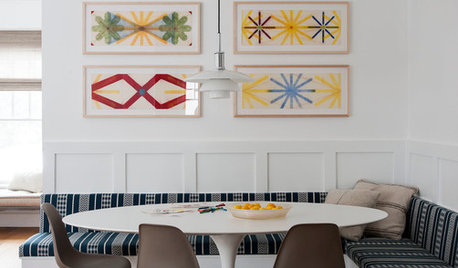
HOUZZ TOURSHouzz Tour: Breathing Easy in the New York Suburbs
Low-chemical furnishings make a family home easy on the nose, while transitional style makes it easy on the eyes
Full Story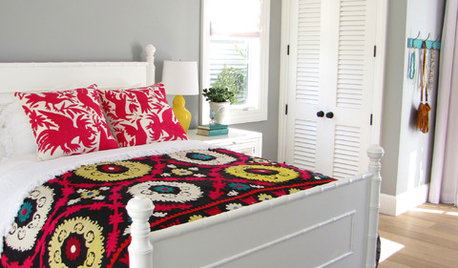
DOORSLouver Doors Let Storage Breathe
Closets, laundry rooms and bathrooms especially love the air boost, but louver doors look great in any room in the home
Full Story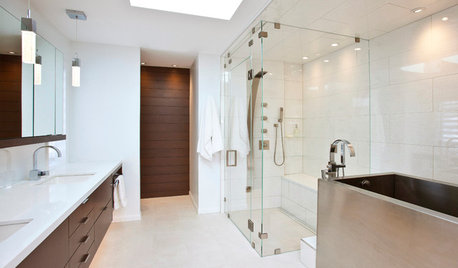
BATHROOM DESIGNRoom of the Day: New Layout, More Light Let Master Bathroom Breathe
A clever rearrangement, a new skylight and some borrowed space make all the difference in this room
Full Story
MORE ROOMSReclaim Room to Breathe
Take back the down time you deserve by disconnecting and paying attention to small pleasures in unexpected areas of your home
Full Story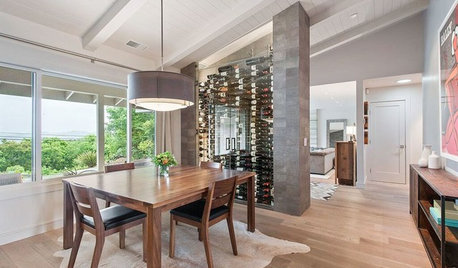
CONTEMPORARY HOMESHouzz Tour: A Creative Couple Let a Wine Country Home Breathe
Dark rooms get opened and updated, while a neutral color palette helps a range of textures stand out
Full Story
Sponsored


catman529
Related Professionals
Cookeville Landscape Architects & Landscape Designers · Davenport Landscape Architects & Landscape Designers · Springfield Landscape Architects & Landscape Designers · Lancaster Landscape Architects & Landscape Designers · Medford Landscape Architects & Landscape Designers · Sarnia Landscape Architects & Landscape Designers · Waycross Landscape Contractors · Lexington Landscape Contractors · Yuba City Landscape Contractors · Colorado Springs Landscape Contractors · Forrest City General Contractors · Middlesboro General Contractors · Natchez General Contractors · Spartanburg General Contractors · Beaumont General Contractors