

Is it the Lighting
16 years ago
Sort by:Oldest
Comments (6)
Related Stories
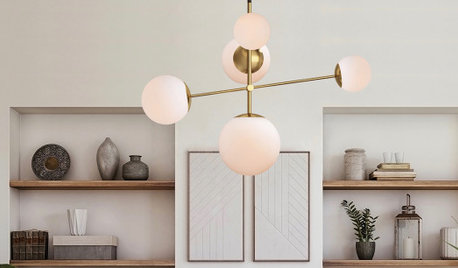
SHOP HOUZZFeatured Brands: Maxim Lighting and ET2 Contemporary Lighting
Add cutting-edge style to your space with these noteworthy designs from top brands
Full Story0
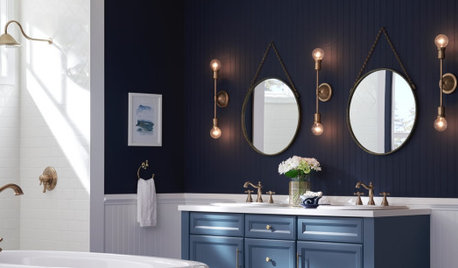
SHOP HOUZZTrade Pricing: Vanity Lighting and Lighted Mirrors
Stylish fixtures to brighten your latest bathroom design
Full Story0
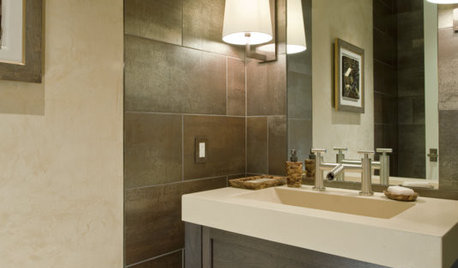
BATHROOM DESIGNHow to Light Your Bathroom Right
Get ready for your close-up in a bath that's a sanctuary with task, accent, decorative and ambient lighting
Full Story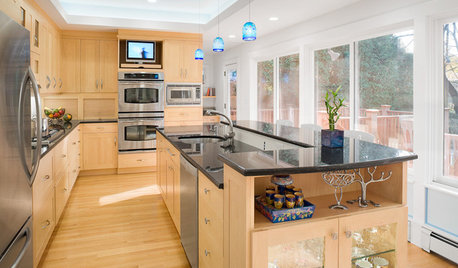
UNIVERSAL DESIGNHow to Light a Kitchen for Older Eyes and Better Beauty
Include the right kinds of light in your kitchen's universal design plan to make it more workable and visually pleasing for all
Full Story
LIGHTING5 Questions to Ask for the Best Room Lighting
Get your overhead, task and accent lighting right for decorative beauty, less eyestrain and a focus exactly where you want
Full Story
LIGHTINGThe Lowdown on High-Efficiency LED Lighting
Learn about LED tapes, ropes, pucks and more to create a flexible and energy-efficient lighting design that looks great
Full Story
BATHROOM WORKBOOKHow to Get Your Bathroom Vanity Lighting Right
Create a successful lighting plan with tips on where to mount fixtures and other design considerations
Full Story
LIGHTINGGet Turned On to a Lighting Plan
Coordinate your layers of lighting to help each one of your rooms look its best and work well for you
Full Story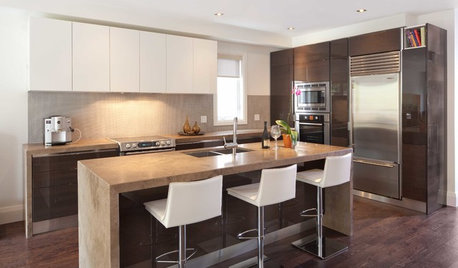
LIGHTINGGet Your Home's Recessed Lighting Right
Learn the formula for how much light a room needs plus how to space downlights, use dimmers and more
Full Story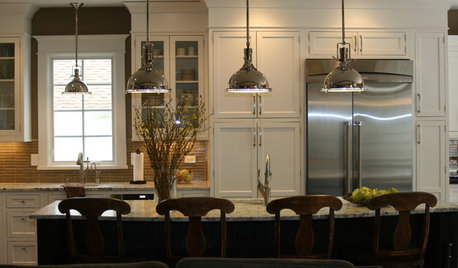
KITCHEN DESIGNKitchen Islands: Pendant Lights Done Right
How many, how big, and how high? Tips for choosing kitchen pendant lights
Full Story
Sponsored


mulio
catman529
Related Professionals
Zanesville Landscape Architects & Landscape Designers · Dothan Landscape Contractors · Evansville Landscape Contractors · McComb Landscape Contractors · Galveston Landscape Contractors · Lufkin Landscape Contractors · Plattsburgh Landscape Contractors · Victorville Landscape Contractors · Pocatello Landscape Contractors · Lagrange Landscape Contractors · West Palm Beach General Contractors · Zanesville General Contractors · Concord General Contractors · Lancaster General Contractors · Butte General Contractorswindclimber
taz6122
struwwelpeter
mulio