

Seeds from the same tomato fruit
15 years ago
Sort by:Oldest
Comments (3)
Related Stories
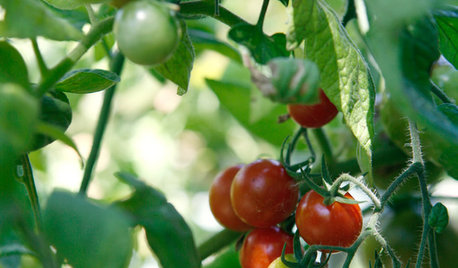
EDIBLE GARDENSSummer Crops: How to Grow Tomatoes
Plant tomato seedlings in spring for one of the best tastes of summer, fresh from your backyard
Full Story
MOST POPULARHow to Get Rid of Those Pesky Summer Fruit Flies
Learn what fruit flies are, how to prevent them and how to get rid of them in your home
Full Story
LIFEKitchen Traditions: Tomato Season Meets a Family Legacy
Somewhere a Sicilian great-great-grandmother is smiling at a bowl of American-made sauce
Full Story
GARDENING GUIDESSeeds or Seedlings? How to Get Your Garden Started
Growing delicious herbs and vegetables starts with knowing your goals and when you want to plant
Full Story
FARM YOUR YARDIf You Have Room for Only One Fruit Tree ...
Juice up a small garden with one of these easier-care or worth-the-effort fruit trees for a mild climate
Full Story
GARDENING GUIDESGreat Design Plant: Grow Blueberries for Their Fruit and More
Eastern gardeners should consider growing blueberry plants for their delicious fruits, bee-friendly spring blooms and brilliant fall foliage
Full Story
SUMMER FRUITS AND VEGETABLESSummer Crops: How to Grow Tomatillos
Grow this Mexican native for the freshest salsa verde — and for fewer problems than its tomato cousins
Full Story0
GARDENING GUIDESDon’t Let These Excuses Keep You From Gardening
Stop blaming your lack of experience, space, time and funds, and get on with the joy of garden making
Full Story
FARM YOUR YARDAdvice on Canyon Farming From L.A.'s Vegetable Whisperer
See how a screened garden house and raised beds help an edible garden in a Los Angeles canyon thrive
Full Story
PETSGarden Alert: 22 Plants to Keep Away From Pets
Avoid potential danger by keeping dogs and cats away from these landscaping and houseplant favorites
Full Story
cygnwulf
carolyn137
Related Professionals
Tuscaloosa Landscape Architects & Landscape Designers · Cape Coral Landscape Architects & Landscape Designers · Portsmouth Landscape Architects & Landscape Designers · Austin Landscape Architects & Landscape Designers · Waco Landscape Architects & Landscape Designers · Erie Landscape Architects & Landscape Designers · San Luis Obispo Landscape Architects & Landscape Designers · Jacksonville Landscape Contractors · Sedalia Landscape Contractors · Carbondale General Contractors · Leominster General Contractors · Mansfield General Contractors · Pittsburgh General Contractors · Las Vegas General Contractors · Amherstburg General Contractorscarolyn137