

Cross Pollination Question
19 years ago
Sort by:Oldest
Comments (9)
Related Stories
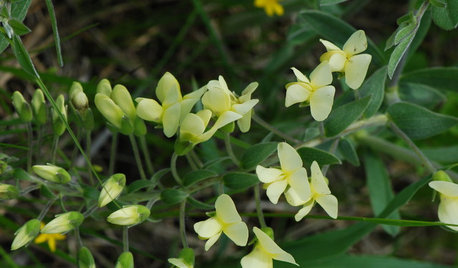
FLOWERS AND PLANTSPlant Baptisia Bracteata for Blooms Pollinators Will Love
Longbract wild indigo is great in dry soil, and its spring flowers attract butterflies and bumblebees
Full Story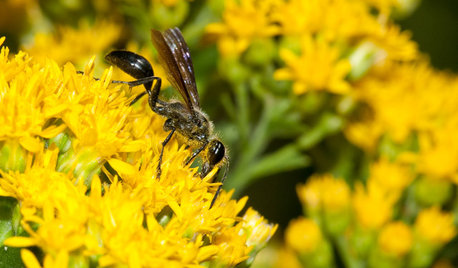
GARDENING GUIDESMeet the Grass-Carrying Wasp, a Gentle Pollinator of Summer Flowers
These fascinating insects nest in wood cavities and hollow plant stems
Full Story
GARDENING GUIDESNo-Regret Plants: 5 Questions Smart Shoppers Ask
Quit wasting money and time at the garden center. This checklist will ensure that the plants you're eyeing will stick around in your yard
Full Story
FEEL-GOOD HOMEThe Question That Can Make You Love Your Home More
Change your relationship with your house for the better by focusing on the answer to something designers often ask
Full Story
WORKING WITH PROS10 Questions to Ask Potential Contractors
Ensure the right fit by interviewing general contractors about topics that go beyond the basics
Full Story
WORKING WITH PROS8 Questions to Ask Yourself Before Meeting With Your Designer
Thinking in advance about how you use your space will get your first design consultation off to its best start
Full Story
MOVINGHiring a Home Inspector? Ask These 10 Questions
How to make sure the pro who performs your home inspection is properly qualified and insured, so you can protect your big investment
Full Story
REMODELING GUIDESPlanning a Kitchen Remodel? Start With These 5 Questions
Before you consider aesthetics, make sure your new kitchen will work for your cooking and entertaining style
Full Story
EXTERIORSCurb Appeal Feeling a Little Off? Some Questions to Consider
Color, scale, proportion, trim ... 14 things to think about if your exterior is bugging you
Full Story
REMODELING GUIDESDesigner Sketch: Noel Cross
Hear about the California architect's new net-zero-energy home project and the first time a building brought him to tears
Full Story


phantom_white
nctomatoman
Related Professionals
Albany Landscape Architects & Landscape Designers · Tupelo Landscape Architects & Landscape Designers · Lewiston Landscape Architects & Landscape Designers · Mansfield Landscape Architects & Landscape Designers · Queens Landscape Architects & Landscape Designers · Daytona Beach Landscape Contractors · Panama City Landscape Contractors · Cumberland Landscape Contractors · Hilton Head Island Landscape Contractors · Flint Landscape Contractors · Plattsburgh Landscape Contractors · Jacksonville General Contractors · New Braunfels General Contractors · Augusta General Contractors · Cowansville General Contractorsder_tomategartnerOriginal Author
korney19
korney19
der_tomategartnerOriginal Author
korney19
der_tomategartnerOriginal Author
the666bbq