

Purslane.
18 years ago
Sort by:Oldest
Comments (2)
Related Stories
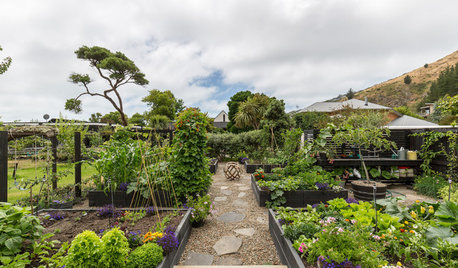
EDIBLE GARDENSNatural Ways to Get Rid of Weeds in Your Garden
Use these techniques to help prevent the spread of weeds and to learn about your soil
Full Story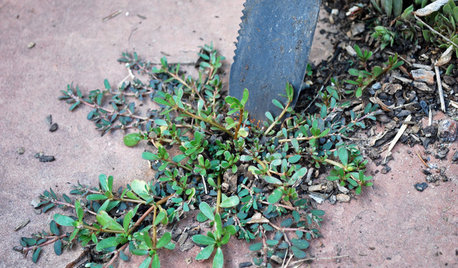
GARDENING GUIDES5 Ways to Naturally Win the Weed War
Show irksome weeds no mercy with these tricks for combating them sans chemicals
Full Story
GROUND COVERS10 Succulents That Make Pretty, Easy-Care Ground Covers
These low-growing succulents create interest in the drought-tolerant garden
Full Story
LIFEPortrait of a Terribly Good Neighbor
Sometimes the best kind of neighbor isn't the kind you'd expect
Full Story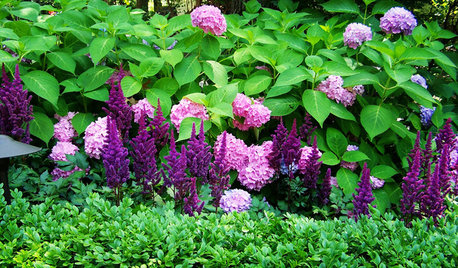
FLOWERS9 Plants That Channel Pantone’s Color of 2014
Try these pinkish-purple wonders to be right on trend — or just for their own captivating beauty
Full Story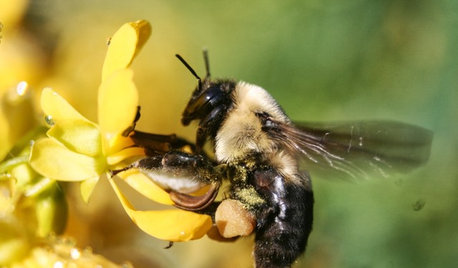
GARDENING FOR BUTTERFLIESGardening for the Bees, and Why It’s a Good Thing
When you discover how hard bees work for our food supply, you may never garden without them in mind again
Full Story
LANDSCAPE DESIGNRecipe for Tropical Edible Garden Style
Appeal to exotic good taste with fruit trees, palms and tropical look-alikes in your temperate-climate garden
Full Story
LANDSCAPE DESIGNExuberant Self-Seeders for Gorgeous, Easy-Care Gardens
Keep weeds down, color high and maintenance low with beautful plants that sow themselves
Full Story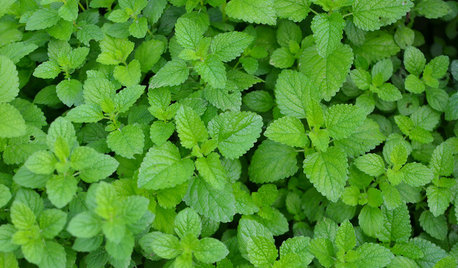
EDIBLE GARDENS12 Essential Herbs for Your Edible Garden
Make home cooking and drinks even better with herbs plucked from your own backyard or windowsill pot
Full Story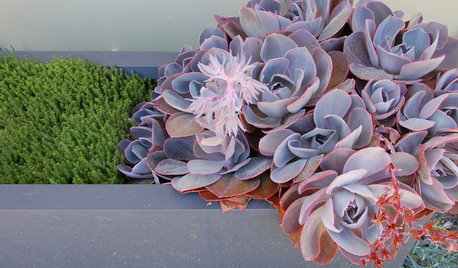
SUCCULENTSGrow a Garden of Succulents for Easy Beauty
Low-water plants in a wide range of colors, shapes and sizes? Sign us up — and check out our faves here
Full Story
More Discussions
yarddoctor
ivamaeOriginal Author
Related Professionals
Morgan City Landscape Architects & Landscape Designers · Enfield Landscape Architects & Landscape Designers · Amarillo Landscape Architects & Landscape Designers · Clarksdale Landscape Contractors · Jackson Landscape Contractors · Ithaca Landscape Contractors · Bridgeport Landscape Contractors · Fort Smith Cabinets & Cabinetry · West Plains Cabinets & Cabinetry · Jackson Cabinets & Cabinetry · Rock Hill Cabinets & Cabinetry · Moline Cabinets & Cabinetry · Fergus Falls Cabinets & Cabinetry · Ontario Cabinets & Cabinetry · Leamington Cabinets & Cabinetry