

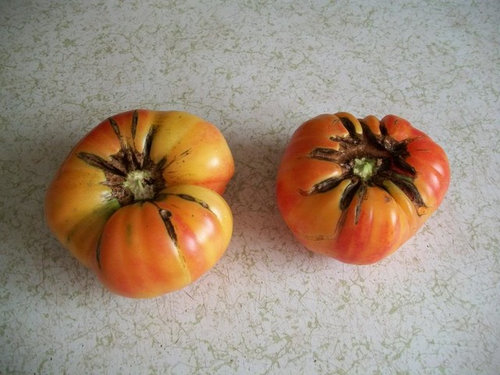
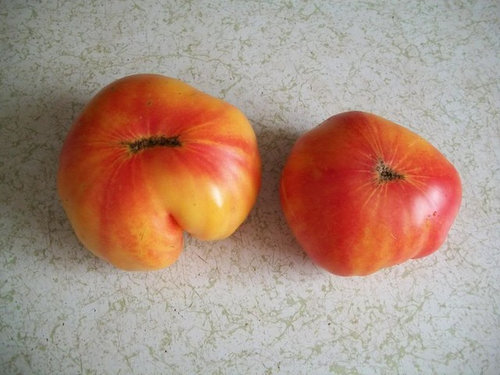
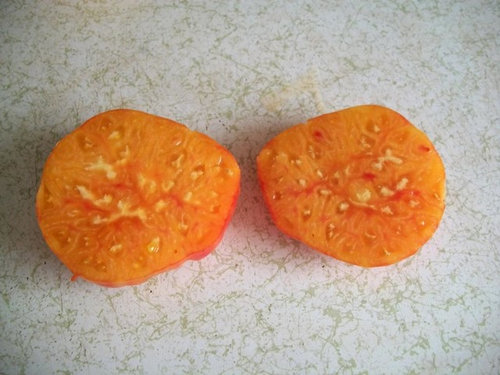
Tomato ID?
12 years ago

Sort by:Oldest
Comments (6)

Related Stories

EDIBLE GARDENSSummer Crops: How to Grow Tomatoes
Plant tomato seedlings in spring for one of the best tastes of summer, fresh from your backyard
Full Story
LIFEKitchen Traditions: Tomato Season Meets a Family Legacy
Somewhere a Sicilian great-great-grandmother is smiling at a bowl of American-made sauce
Full Story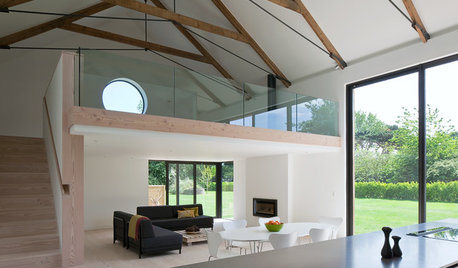
ARCHITECTUREHouzz Tour: Fresh Ideas in a Former Tomato Packing Shed
A formerly metal-clad structure is now a beautiful wood home designed to capture the light and preserve open space
Full Story
GARDENING GUIDESCalifornia Gardener's June Checklist
Update your hydrangeas, catch up on tomatoes and more ways to enjoy your California garden in June
Full Story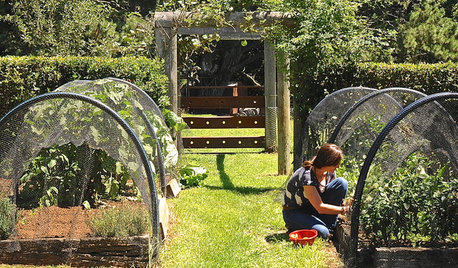
FARM YOUR YARDHouzz Call: Home Farmers, Show Us Your Edible Gardens
We want to see where your tomatoes, summer squashes and beautiful berries are growing this summer
Full Story
FARM YOUR YARD6 Things to Know Before You Start Growing Your Own Food
It takes time and practice, but growing edibles in the suburbs or city is possible with smart prep and patience
Full Story
EDIBLE GARDENSA Formerly Weedy Lot Now Brims With Edibles and Honeybees
Photographers transform their barren backyard into an oasis filled with fruit, vegetables, honey, eggs and more
Full Story
EDIBLE GARDENS12 Essential Herbs for Your Edible Garden
Make home cooking and drinks even better with herbs plucked from your own backyard or windowsill pot
Full Story
FARM YOUR YARDHow to Build a Raised Bed for Your Veggies and Plants
Whether you’re farming your parking strip or beautifying your backyard, a planting box you make yourself can come in mighty handy
Full Story
SPRING GARDENINGSummer Crops: How to Grow Strawberries
Pluck your own sweet strawberries right from the garden vine for smoothies, salads or eating then and there
Full Story
Sponsored


carolyn137
PupillaCharites
Related Professionals
Gaithersburg Landscape Architects & Landscape Designers · Muskegon Landscape Architects & Landscape Designers · Providence Landscape Architects & Landscape Designers · Lancaster Landscape Architects & Landscape Designers · El Dorado Landscape Contractors · Albany Landscape Contractors · Enfield Landscape Contractors · Boston Landscape Contractors · Nashua Landscape Contractors · Portsmouth Landscape Contractors · Seattle Landscape Contractors · Brunswick General Contractors · DeRidder General Contractors · Killeen General Contractors · Peoria General ContractorsPupillaCharites
theforgottenone1013 (SE MI zone 5b/6a)Original Author
seysonn
carolyn137