

Do I really need 'surge suppressor'?
18 years ago
Sort by:Oldest
Comments (4)
Related Stories
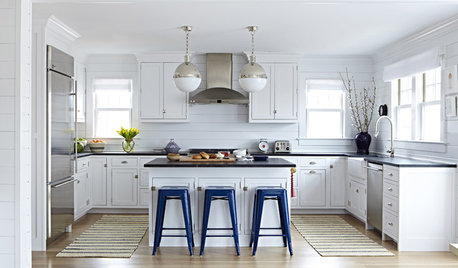
COASTAL STYLEBungalow Kitchen Finds a New Life After Hurricane Sandy
A storm surge destroyed a couple’s previous home, but that didn’t stop them from embracing the sea with a new nautical-style kitchen
Full Story
MIDCENTURY STYLEModern Icons: The Paulistano Chair
This classic '50s sling seat is surging in popularity and has been snapped up by MoMa. See why
Full Story
DECORATING GUIDESThe Case for the Anti-Accent Wall
Go ahead, paint everything the same color (even the trim)
Full Story
MOST POPULARWhy We Love Midcentury Modern Design
There's a method to all this 'Mad Men'-ness — just look to psychology, tough times and, believe it or not, Apple
Full Story
COLORHouse Proud: Peacock Grandeur in Home Décor
Brighten your nest with the flamboyant colors and shapes of the peacock's plumes
Full Story
DISASTER PREP & RECOVERYRemodeling After Water Damage: Tips From a Homeowner Who Did It
Learn the crucial steps and coping mechanisms that can help when flooding strikes your home
Full Story
LIFERetirement Reinvention: Boomers Plot Their Next Big Move
Choosing a place to settle in for the golden years? You're not alone. Where boomers are going and what it might look like
Full Story
KITCHEN DESIGNWhat Goes With Wood Cabinets?
Make those high-quality cabinets look their best by pairing them with the right colors and materials
Full Story
BATHROOM DESIGNFloor-to-Ceiling Tile Takes Bathrooms Above and Beyond
Generous tile in a bathroom can bounce light, give the illusion of more space and provide a cohesive look
Full Story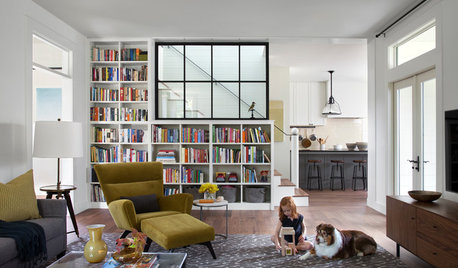
HOUZZ TOURSHouzz Tour: Unplugging From High Tech in a Texas Farmhouse
This simply styled home gives an Austin family all the warmth of comfort food and all the amenities of modern times
Full Story

chisue
neff2k
Related Professionals
Magnolia Architects & Building Designers · Panama City Architects & Building Designers · Bainbridge Architects & Building Designers · Platteville Architects & Building Designers · Flagstaff Architects & Building Designers · Sterling Architects & Building Designers · Poplar Bluff Design-Build Firms · Philadelphia Design-Build Firms · Twin Falls Design-Build Firms · Newport News Home Builders · Worcester Home Builders · Manchester Home Builders · Scranton Home Builders · Vancouver Home Builders · Lagrange Home Buildersbrickeyee
emilynewhomeOriginal Author