

Over sized range hoods
17 years ago
Sort by:Oldest
Comments (5)

Related Stories

5 Stunning Modern Range Hoods
Today's kitchen range hoods can look like sleek sculptures. Here's what to look for when you go shopping for one
Full Story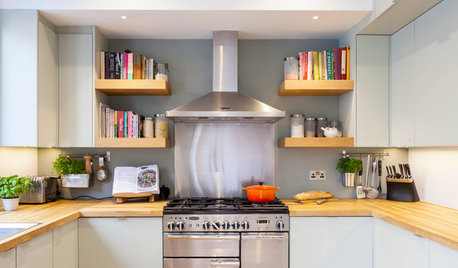
KITCHEN APPLIANCESWhat to Consider When Adding a Range Hood
Get to know the types, styles and why you may want to skip a hood altogether
Full Story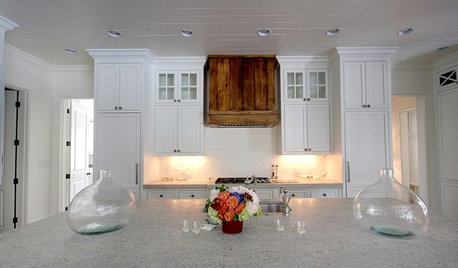
KITCHEN DESIGNWood Range Hoods Naturally Fit Kitchen Style
Bring warmth and beauty into the heart of your home with a range hood crafted from nature's bounty
Full Story
MOVINGHouse Hunting: Find Your Just-Right Size Home
Learn the reasons to go bigger or smaller and how to decide how much space you’ll really need in your next home
Full Story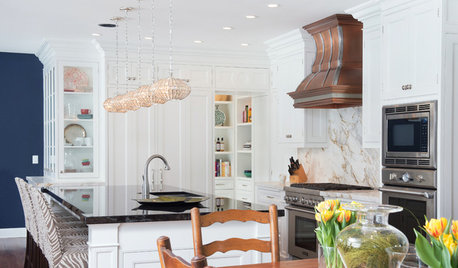
KITCHEN DESIGNWhat to Know When Choosing a Range Hood
Find out the types of kitchen range hoods available and the options for customized units
Full Story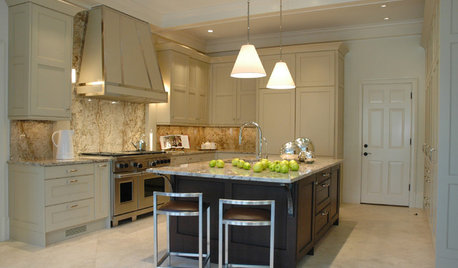
KITCHEN DESIGN8 Industrial-Luxe Kitchen Hood Styles
Make a Statement with Show-Stopping Metal Range Hoods
Full Story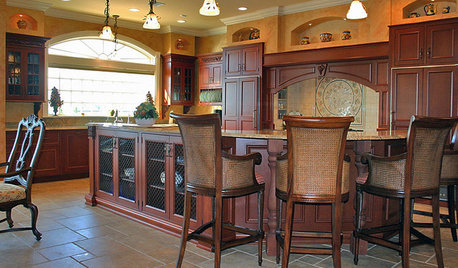
KITCHEN DESIGNHow to Choose a Kitchen Sink Size
Bigger isn’t necessarily better. Here’s how to pick the right size sink for your kitchen, needs and budget
Full Story
LIFEAnatomy of a Family-Size Mess
Study your home’s dumping grounds to figure out what organizational systems will work — then let yourself experiment
Full Story
CONTAINER GARDENSPocket Gardens, Pint-Size Patios and Urban Backyards
A compact outdoor space can be a beautiful garden room with the right mix of plantings, furniture and creativity
Full Story
tyredman
sfjeff
Related Professionals
Baltimore Kitchen & Bathroom Designers · Sugar Land Kitchen & Bathroom Designers · Chillicothe Kitchen & Bathroom Designers · Omaha Kitchen & Bathroom Designers · Clearlake Kitchen & Bathroom Designers · Bozeman Kitchen & Bathroom Designers · Martinsburg Bathroom Remodelers · Albany Bathroom Remodelers · Athens Kitchen Remodelers · California Kitchen Remodelers · Orangeburg Kitchen Remodelers · Texarkana Kitchen Remodelers · Saint Cloud Kitchen Remodelers · Merced Kitchen Remodelers · Sacramento Kitchen Remodelersclinresga
kitchendetective
wa8b