Software
Houzz Logo Print
cactuscatie

We Never Had a Fireplace until Now - Help Please

19 years ago

We are renovating and our plans include a natural gas fireplace. We've never had a fireplace and I would like opinions on which brands are the best. We have no idea.

Thanks for any suggestions.

Comments (7)

  • 19 years ago
    last modified: 11 years ago

    Just another consumer trying to make some decisions, here: I've put more effort into this choice than any other.

    Go to some shops that have different models and brands on display, capable of being fired up. You need to be able to compare and contrast, and decide which elements are the most important to you: a realistic ash bed, good log layout, tall dancing flames, shorter flames, great door options, the perfect height/width ratio for the space, an appropriate btu output...

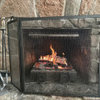
    I was surprised to learn that I much prefer units with screens in the doors: spent enough years gazing at wood fps through the screen, fireplaces without just seem 'wrong'. The Oversized units with no doors that I expected to love left me pretty cold. I also found some log sets really over the top: they look real individually, but the arrangement is dramatic rather than realistic, and it grates on me awfully.

    My overall favorite brand is Mendota: very realistic flames, and the burner can be turned way down. Some other brands just have a switch that dumps the heat up the chimney, which is too wasteful for me. Pricey, though.

    Fireplaces Extrordinaire has its fans, too. I think the ember bed looks better than in the Mendota, the flames not quite as nice. Use the same 'emberfyre' burner as some other brands, so if you like the flames you may find them in a cheaper unit with simpler surrounds under names like "Avalon'.

    Napoleons are worth seeing, too: the thing I like about them is an orange glowing light in the firebox. When I heard about it, I thought it was pretty silly, but since burning wood gives off more light than gas, it actually adds a lot of realism. I even like them without screens...

    I also saw a Jotul I liked a lot: shorter flames, but very warm and charming.

  • 19 years ago
    last modified: 11 years ago

    Catie:

    Are you looking for heat from the gas fireplace or is it just for ambiance?

  • 19 years ago
    last modified: 11 years ago

    garyg, both. Is that possible?

  • 19 years ago
    last modified: 11 years ago

    Catie:

    Below is a post that I clipped 6 months ago. It does a good job of explaining the differences between ventless, B-vent, and direct vent.

    posted by: renron on 12.19.2006 at 07:28 pm in Fireplaces Forum

    First, DON'T install a ventless fireplace!!!
    Even though the MFG.s will tell you the exhaust fumes are OK, do you really want to breathe them? Many people end up with Major Headaches and chronic breathing issues. Does it sound like a good idea to breathe burnt exhaust gasses?
    B type flue(vent) pipes are dual thickness pipes. A pipe inside another pipe, suitable for use at 1" or more to flammable materials. Outer casing pipe is sealed and will not conduct air.
    D (Direct Vent) type flue(vent) pipes are also dual layers but they are capable of exhausting burnt gas through the inner pipe and importing exterior(outside) combustion air for burning. Think of a straw inside a larger straw. Inside straw blowing, outside straw sucking outside air for combustion. A fan is usually used to help exhaust the burnt gasses.

    Details below:
    B-Vent (Natural Vent) gas fireplaces are designed primarily for decorative use. Generally they produce a larger and more realistic yellow flame. B-vent fireplaces are sometimes available without a glass window, so many homeowners are attracted to this design because of the open, realistic flame effect; some models do have a glass window so the existence of a window on a fireplace does not define its product classification. Natural vent gas fireplaces use room air for combustion and vent fumes through a vent or chimney that must terminate vertically above the roof line. The key to determining whether a B-vent fireplace will meet your heating needs is to check the manufacturer's listed efficiency rating (gas consumed x efficiency = heat output). While efficient, heater-rated B-vent fireplaces do exist, many lower quality "builder grade" fireplaces have no efficiency rating and, therefore, will not supply substantial heat. In fact, this category of fireplace will often use the greatest amount of gas at the lowest range of efficiencies. If you live in a warmer climate where you want the aesthetics of a fire without much heat, this may be the appliance for you. Likewise, bedrooms and smaller rooms may be a good candidate for a b-vent fireplace, but please check building codes to see if this class of fireplace is approved in your locality or for installation in the room where you'd like to use it. Local/national codes in some areas prohibit the use of b-vent rated appliances, especially in colder climates. Be aware that very "air tight" houses can cause performance problems with b-vent rated appliances, so please consult an experienced fireplace installer who can advise you on the proper installation and use you are considering.

    Direct Vent Fireplaces offer the most features with respect to gas consumption, efficiency ratings and venting options. A direct vent fireplace will always have a glass window because these fireplaces are sealed systems using a double walled venting system. Combustion air enters the appliance via one section of pipe while fumes and moisture are vented through the other pipe. Most often, a double wall "pipe within a pipe" system is used. Subject to each model's requirements for distance and offsets, direct vent fireplace venting may be terminated either horizontally or vertically. Efficiency rating will average 65% to 84%, similar to ratings on gas furnaces. Keep in mind that these appliances must "waste" some of the heat produced to create a draft of rising warm air to evacuate the fumes produced without aid of a forced air exhaust system. Think of direct vent fireplaces as a decorative furnace: the beauty of a realistic flame with high efficiency. This appliance is great for primary or supplental heating and for emergency backup heating as most work without aid of electricity. Because this is a sealed system that uses outside air for combustion, direct vent fireplaces are usually the favored choice among those in the fireplace industry because of their greater efficiency and exceptionally reliable performance.
    Hope this info helps,
    I am a General Contractor.
    Renron

  • 19 years ago
    last modified: 11 years ago

    Catie:

    Another clipping that discusses direct-vent units:

    posted by: mountainstoveguy on 03.02.2007 at 04:30 pm in Fireplaces Forum

    all manufactures including lennox, make all grades of direct vent fireplaces
    builder grade fireplaces all have this in common
    tempered glass
    not so attractive logs
    not many options as far as fronts, refractory brick package etc.
    mid grade fireplaces will have
    tempered glass
    good looking logs
    some front and brick options
    high end fireplaces have
    ceramic glass
    extensive ember beds
    great looking logs
    lots of front and brick options
    price points
    builder mid >$1000 high end >$2000 Mid grade and high end will usually have a decent efficiency rating, ceramic glass ones put out the most heat because ceramic glass transferrs infrared heat very well. Some good manufactures are:
    fireplace extrodinare
    heatilator caliber series
    jotul acadia
    lexington forge
    heat n glo
    mendota
    lennox
    majestic
    im sure there are others, but all these manufactures offer every thing from builder grade to high end efficient models.
    HTH

  • 19 years ago
    last modified: 11 years ago

    Question re vent routing for a new direct vent fireplace, most likely a 30" Heatilator Novus:

    My new home is a small ranch, 1384 sq ft.

    The cathedral ceiling living room / dining room wall available for placement of a fireplace, is an interior wall. This wall forms a corner with an outside wall of windows. Because of the windows, there isn't enough wall space on the outside wall corner to install a corner fireplace, so it must be installed centered on the inside wall.

    On the other side of this interior wall is a closet, soon to be a first floor laundry with stacked washer/dryer, and the main bath. Tucked into the closet is the furnace vent column coming up from the basement to the roof. Keep in mind, the dryer in the closet needs to be vented as well.

    My choices for vent direction for the fireplace seem to be:

    Sideways - build the fireplace framing to cover the vent going to the outside wall. This brings the framing very close to the windows, it might make the room look even smaller.

    Up - build the fireplace framing all the way up the wall to the cathedral ceiling. Again, may make the room look smaller. Vent would be within 4 ft of furnace vent at roof.

    Up and in - route the pipe into the closet, then up, within about 2 feet of the furnace vent. Tight fit with the dryer in the closet.

    It seems the best choice is to go straight up with the fireplace vent, and down to the basement with the dryer vent and out a basement window.

    Comments? Thanks!

  • 19 years ago
    last modified: 11 years ago

    Make sure you take a good look at the Valor product. Extreme turn down capabilities and no need for a fan. has automatic/manual remote thermostat. Recommend Direct Vent as it does not draw room air for combustion.

Sponsored
AIS Renovations
Average rating: 4.5 out of 5 stars15 Reviews
Custom Craftsmanship & Construction Solutions in Franklin County, Ohio