

Blown fuse on air handler
19 years ago
Sort by:Oldest
Comments (10)
Related Stories
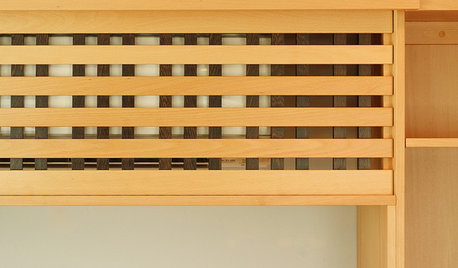
DECORATING GUIDES10 Ways to Hide That Air Conditioner
Feeling boxed in designing around your mini-split air conditioner? Try one of these clever disguises and distractions
Full Story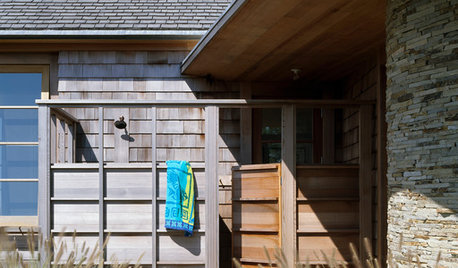
GREAT HOME PROJECTSHow to Add an Outdoor Shower
New project for a new year: Experience bathing in a whole new light with a shower in the fresh air
Full Story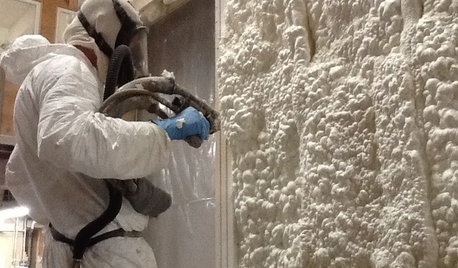
MATERIALSInsulation Basics: What to Know About Spray Foam
Learn what exactly spray foam is, the pros and cons of using it and why you shouldn’t mess around with installation
Full Story
LIVING ROOMSHow to Convert Your Wood-Burning Fireplace
Learn about inserts and other options for switching your fireplace from wood to gas or electric
Full Story
ARTWitness a Fantastic Chihuly Glass Sculpture Installation
Ever wonder what goes into a design that includes a major — and highly breakable — artwork? Here's your chance to find out
Full Story
HOLIDAYSChristmas Cleanup Tips for the Not Naturally Organized
Dreading the postholiday chores? First let yourself unwind. Then grab some boxes, a few supplies and this easy guide
Full Story
LIFEHouzz Call: Show Us Your Nutty Home Fixes
If you've masterminded a solution — silly or ingenious — to a home issue, we want to know
Full Story
MATERIALSAre You a Maker? Show Us Your Favorite Tool or Material
Houzz Call: A tool or material can be a maker’s best friend. We’d like to see your favorite — and what it helps you achieve
Full Story
REMODELING GUIDESThe Hidden Problems in Old Houses
Before snatching up an old home, get to know what you’re in for by understanding the potential horrors that lurk below the surface
Full Story
LIGHTINGCascading Chandeliers: All Kinds of Gorgeous
Decorate Overhead With Glowing Strands of Glass, Crystals and Shells
Full Story
brickeyee
hkkyOriginal Author
Related Professionals
Zanesville General Contractors · Chattanooga General Contractors · Danville General Contractors · Fargo General Contractors · Manchester General Contractors · Terre Haute Home Remodeling · Lafayette Home Remodeling · Worcester Home Remodeling · Spokane Home Remodeling · Charleston Bathroom Remodelers · Frisco Bathroom Remodelers · Albert Lea Bathroom Remodelers · Manhattan Bathroom Remodelers · Rochester Bathroom Remodelers · Cheyenne Bathroom Remodelersmr_havac
hkkyOriginal Author
hkkyOriginal Author
brickeyee
mr_havac
hkkyOriginal Author
brickeyee
labmecom