

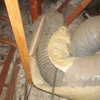
Adding 2nd A/c Return
13 years ago
Sort by:Oldest
Comments (2)
Related Stories
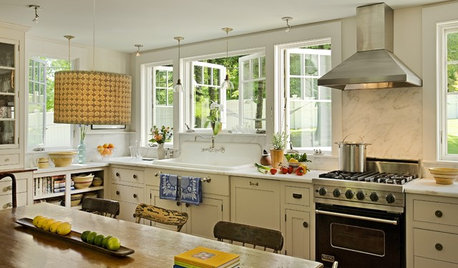
KITCHEN DESIGNThe Return of the High-Back Farmhouse Sink
See why this charming and practical sink style is at home in the kitchen and beyond
Full Story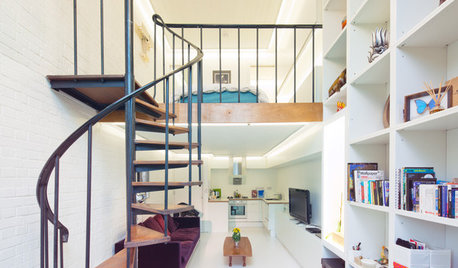
REMODELING GUIDESAsk an Architect: How Can I Carve Out a New Room Without Adding On?
When it comes to creating extra room, a mezzanine or loft level can be your best friend
Full Story
GARDENING GUIDESBackyard Birds: Orioles Return After Spending Winter in the Tropics
These colorful songbirds prefer woodlands and forest edges, but they’ll visit yards with fruit-producing trees and shrubs
Full Story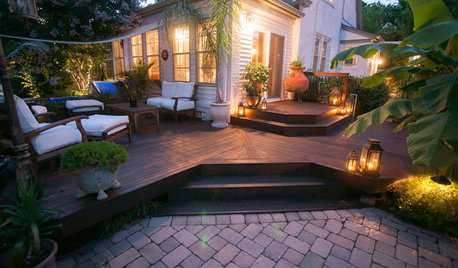
MOST POPULARWhat to Know About Adding a Deck
Want to increase your living space outside? Learn the requirements, costs and other considerations for building a deck
Full Story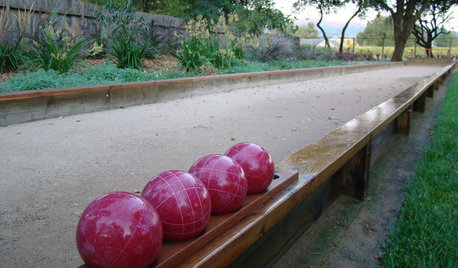
GREAT HOME PROJECTSWhat to Know About Adding a Backyard Bocce Ball Court
A regulation court in a relaxed setting helps you get the most from the Italian pastime. Here's what it takes to build one at home
Full Story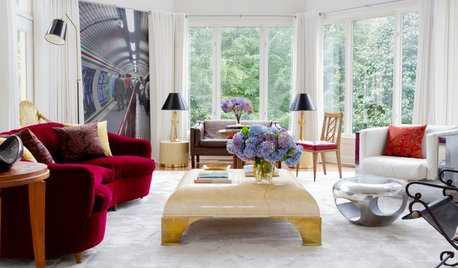
ECLECTIC HOMESHouzz Tour: A Manor Near D.C. Goes From Suburban Modern to Georgian
Newly enclosed spaces and traditional details join eye-popping murals to give a 2002 home some European gravitas
Full Story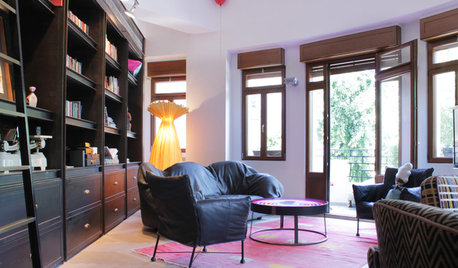
HOUZZ TOURSMy Houzz: Urban History in the Round in Tel Aviv
Two 2nd-floor apartments in a former printing factory are combined in a renovation that preserves elements of the past
Full Story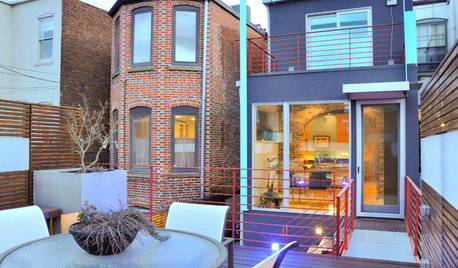
HOUZZ TOURSMy Houzz: Bridge Building Redefines a D.C. Row House
A new rooftop deck and elevated walkway give a Capitol Hill couple an enviable outdoor haven away from noise on the street
Full Story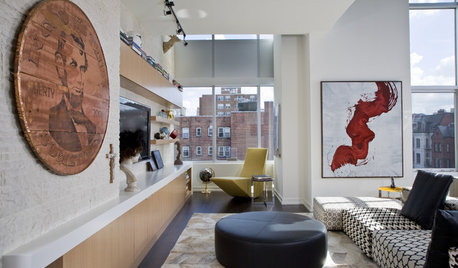
HOUZZ TOURSHouzz Tour: Art-Filled Pied-á-Terre in Washington, D.C.
New design creates open floor plan with comfortably defined separate spaces
Full Story
KITCHEN DESIGNKitchen of the Week: Transformed Garage in D.C.
A smart spatial arrangement and cheery colors helped turn this Washington, D.C., garage into a functional and family-friendly kitchen
Full Story
mike_home
udarrell
Related Professionals
Jonesboro General Contractors · Emporia General Contractors · Branson General Contractors · Norfolk General Contractors · Waterloo General Contractors · Peoria General Contractors · Great Falls General Contractors · Richmond Home Remodeling · Ashland Home Remodeling · Muncie Home Remodeling · Mansfield Home Remodeling · Ottawa Home Remodeling · Raleigh Bathroom Remodelers · Davenport Bathroom Remodelers · Lansing Bathroom Remodelers