

Wow, studs really knock down the net R-value!
17 years ago
Featured Answer
Sort by:Oldest
Comments (13)
 17 years ago
- 17 years ago
Related Professionals
Natchitoches General Contractors · Kansas City General Contractors · Brooklyn General Contractors · Hilo General Contractors · Birmingham Home Remodeling · Georgetown Home Remodeling · Colorado Springs Home Remodeling · Montrose Home Remodeling · Las Cruces Home Remodeling · Rapid City Home Remodeling · Great Bend Bathroom Remodelers · Rockford Bathroom Remodelers · Lafayette Bathroom Remodelers · Grand Rapids Bathroom Remodelers · Potsdam Bathroom Remodelers- 17 years ago
- 17 years ago
- 17 years ago
- 17 years ago
 PRO6 years ago
 4 years agolast modified: 4 years ago
 4 years ago
- 4 years ago
- 3 years ago
- 3 years ago
Related Stories
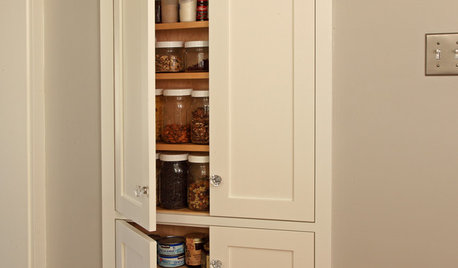
STORAGETap Into Stud Space for More Wall Storage
It’s recess time. Look to hidden wall space to build a nook that’s both practical and appealing to the eye
Full Story
MOST POPULAR5 Remodels That Make Good Resale Value Sense — and 5 That Don’t
Find out which projects offer the best return on your investment dollars
Full Story
REMODELING GUIDESWhat to Know Before You Tear Down That Wall
Great Home Projects: Opening up a room? Learn who to hire, what it’ll cost and how long it will take
Full Story
HOUZZ TOURSMy Houzz: A South Australia Home Comes Down to Earth
Rammed-earth walls embrace nature, stand up to harsh coastal conditions and create an indoor-outdoor connection for this artist's home
Full Story
LIFE7 Tips to Get With a New Minimalist Mentality
Feeling overwhelmed by your stuff? Here's how to pare down, simplify and keep just what you need and love at home
Full Story
HOUZZ TOURSHouzz Tour: Major Changes Open Up a Seattle Waterfront Home
Taken down to the shell, this Tudor-Craftsman blend now maximizes island views, flow and outdoor connections
Full Story
HOUZZ TOURSMy Houzz: Casual, Thoughtful Design for a 1920s Bungalow
A couple turn a neglected, run-down home into a charming, comfortable place to raise their 4 children
Full Story
MIDCENTURY HOMESHouzz Tour: An Eichler Remodel Spawns a Design Career
A homeowner finds her true calling upon redesigning her family's entire California home
Full Story
VINTAGE STYLEKitchen of the Week: Cheery Retro Style for a 1913 Kitchen
Modern materials take on a vintage look in a Portland kitchen that honors the home's history
Full Story
GREEN BUILDINGHouzz Tour: See a Concrete House With a $0 Energy Bill
Passive House principles and universal design elements result in a home that’ll work efficiently for the long haul
Full Story

energy_rater_la