

another use for rainwater!
18 years ago
Sort by:Oldest
Comments (4)
Related Stories
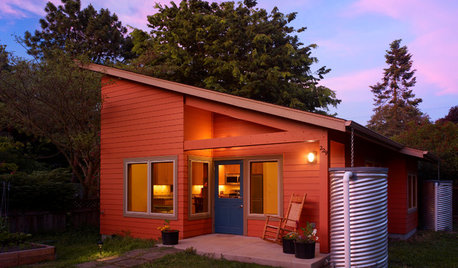
GREEN BUILDINGHow to Harvest Rainwater for Your Garden
Conserve a vital resource and save money by collecting stormwater for irrigation in a barrel or tank
Full Story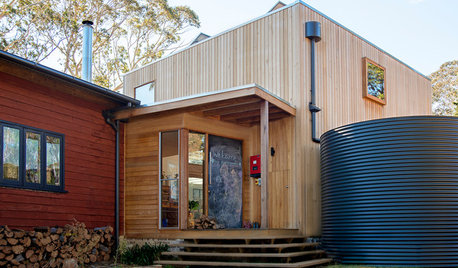
SAVING WATERIs a Rainwater Cistern Right for You?
These extra-large containers reduce runoff and save on the use of potable water for the landscape
Full Story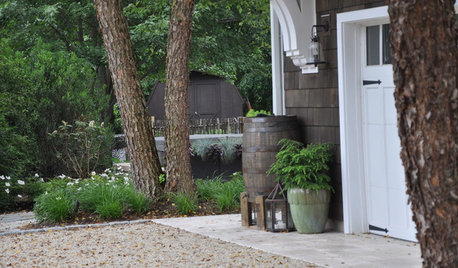
SAVING WATER6 Reasons Why You Should Save Your Rainwater Now
Collect and store during the rainy season so you’ll have water ready for irrigation when you need it
Full Story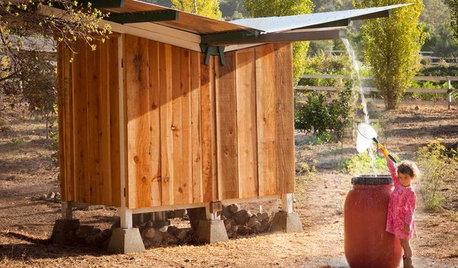
FARM YOUR YARDCollecting Rainwater and Eggs From a California Chicken Coop
See how a butterfly roof helps a hen home’s design soar into double-duty territory
Full Story
LANDSCAPE DESIGNLandscaping Tricks to Manage Stormwater Runoff
Help rainwater absorb slowly back into the earth with paving grids, gravel beds and other porous systems
Full Story
EARTH DAY5 Ideas for a More Earth-Friendly Garden
Consider increasing the size of garden beds, filtering rainwater and using plants to reduce energy use
Full Story
HOUZZ TVHouzz TV: How to Install a Rain Barrel
This DIY tutorial shows how easy it can be to capture rainwater from your roof to use in your garden later
Full Story
GREEN BUILDINGJust Add Water: Rain Barrel Magic
Take your rainwater storage from practical to beautiful with a new breed of design-friendly rain barrels
Full Story
LANDSCAPE DESIGNHow to Design a Rain Garden That Loves Stormy Weather
Rain gardens have a special type of planting bed that drains rainwater. These tips can keep yours looking great
Full Story
grainlady_ks
taragirlOriginal Author
Related Professionals
Fort Myers Kitchen & Bathroom Designers · Salina Kitchen & Bathroom Designers · Zanesville Kitchen & Bathroom Designers · Muskogee Kitchen & Bathroom Designers · Richmond Kitchen & Bathroom Designers · Daytona Beach Bathroom Remodelers · Albany Bathroom Remodelers · Victoria Bathroom Remodelers · Johnson City Cabinets & Cabinetry · Georgetown Cabinets & Cabinetry · Williamsburg Cabinets & Cabinetry · Detroit Cabinets & Cabinetry · Watertown Cabinets & Cabinetry · Liberal Cabinets & Cabinetry · Queens Cabinets & Cabinetryhousekeeping
taragirlOriginal Author