

Outdoor lighting problem.
15 years ago

Sort by:Oldest
Comments (8)
Related Stories
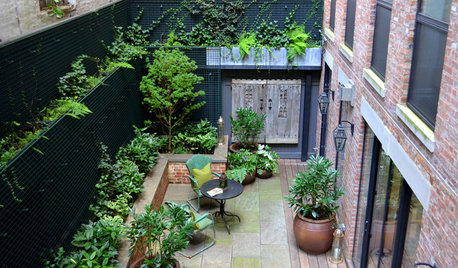
LANDSCAPE DESIGNProblem Solving With the Pros: How to Build a Garden in an Urban Canyon
Skyscrapers, noise and deep shade create an unlikely sweet spot for a timeless green retreat in New York City
Full Story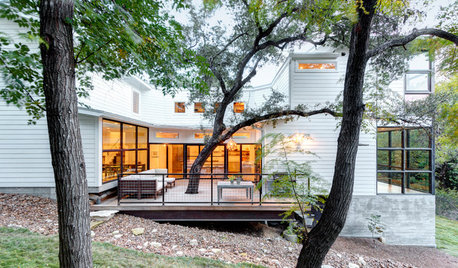
ECLECTIC HOMESHouzz Tour: Problem Solving on a Sloped Lot in Austin
A tricky lot and a big oak tree make building a family’s new home a Texas-size adventure
Full Story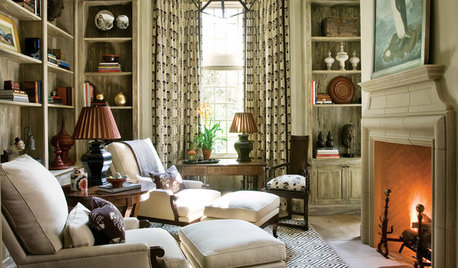
FEEL-GOOD HOMEBack Problems? Try Putting Your Feet Up
Consider these alternatives to that one-size-doesn’t-fit-all sofa to avoid slumping and spinal stress
Full Story
TASTEMAKERSICFF 2012 Report: 10 Visionary Problem Solvers
Sure, pretty is nice, but the best designs improve our lives. These innovative products by students and companies do just that
Full Story
CHRISTMAS10 Quick Solutions for Last-Minute Holiday Problems
Sail right by potential decorating, hosting and gift-giving pitfalls with these invaluable nick-of-time tricks
Full Story
VALENTINE’S DAY5 Relationship Problems Solved by Design
Everyday issues driving you and your special someone apart? These design solutions can help mend your together time
Full Story
DECORATING GUIDESSolve Privacy Problems With Window Film
Let the light in and keep prying eyes out with an inexpensive and decorative window film you can apply yourself
Full Story
GARDENING GUIDESSolve 3 Common Landscape Problems — With More Plants
Sometimes the best defense is a good offense
Full Story
BASEMENTSBasement of the Week: High-End Problem Solving for a Show House
Dark and dated? Naturally. But this '70s-style basement had myriad other design issues too. See how the designer rose to the challenge
Full Story
HOUSEKEEPING10 Problems Your House May Be Trying to Show You
Ignore some of these signs and you may end up with major issues. We tell you which are normal and which are cause for concern
Full Story
DavidR
fredinva
Related Professionals
Shreveport Interior Designers & Decorators · Lawrence Interior Designers & Decorators · Hempstead Interior Designers & Decorators · Salinas Interior Designers & Decorators · Eureka Interior Designers & Decorators · Orangeburg Furniture & Accessories · San Marcos Furniture & Accessories · Portland Furniture & Accessories · Niles Furniture & Accessories · La Crosse Furniture & Accessories · Mission Viejo Furniture & Accessories · Redding Furniture & Accessories · Gulfport Kitchen & Bathroom Designers · Dallas Kitchen & Bathroom Designers · Middletown Kitchen & Bathroom DesignersDavidR
yosemitebill
brickeyee
roadbike
DavidR
brickeyee