

Lead paint & Prep?
13 years ago
Sort by:Oldest
Comments (6)
Related Stories
HEALTHY HOMEGet the Lead Out: Lead Safety at Home
Keep your family safe by properly testing for and dealing with lead in old painted surfaces, water and soil
Full Story
ENTERTAININGHoliday Party Prep in 1 Month
Kudos for giving yourself plenty of time to prepare. Here's what to do with it, from planning to cleaning to decorating
Full Story
SELLING YOUR HOUSEKitchen Ideas: 8 Ways to Prep for Resale
Some key updates to your kitchen will help you sell your house. Here’s what you need to know
Full Story
SELLING YOUR HOUSEFix It or Not? What to Know When Prepping Your Home for Sale
Find out whether a repair is worth making before you put your house on the market
Full Story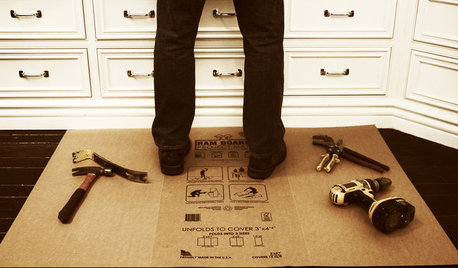
BATHROOM DESIGNOut With the Old Tile: 8 Steps to Prep for Demolition
This isn't a light DIY project: You'll need heavy-duty tools and plenty of protection for your home and yourself
Full Story
HOUSEKEEPINGOutdoor Home Prep to Do Before Hard Winter Hits
Avoid cracking, rusting and rotting during freezes by taking care of these tasks now
Full Story
MONTHLY HOME CHECKLISTSYour Checklist for Quick Houseguest Prep
Follow these steps to get your home ready in a hurry for overnight visitors
Full Story
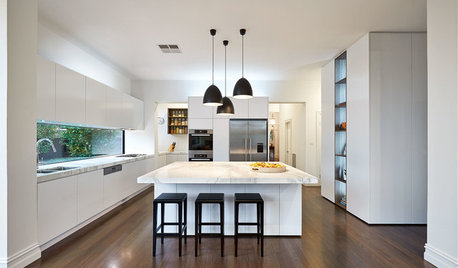
LIGHTING8 Creative Lighting Solutions for Food Prep
Get all the task illumination you need while distracting the eye from fluorescents, following the lead of the kitchens here
Full Story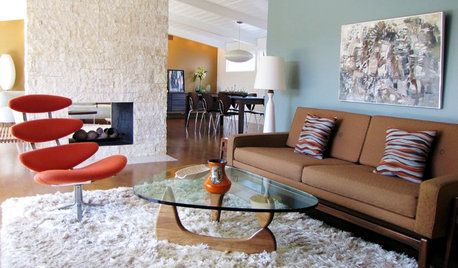
HOUZZ TOURSMy Houzz: Cliff May Homeowners Lead the Way in Long Beach
Two Realtors and their renovated home set the bar for midcentury nostalgia and style in their Cliff May tract
Full Story


sombreuil_mongrel
vjrnts
Related Professionals
Louisville Home Remodeling · Hattiesburg Home Remodeling · Oklahoma City Home Remodeling · Jackson Home Remodeling · Garden City Home Remodeling · Bronx Home Remodeling · Brunswick Home Builders · Escanaba Home Builders · Akron Home Builders · Guymon Home Builders · Cherry Hill Kitchen & Bathroom Designers · Cincinnati Kitchen & Bathroom Designers · Peoria Kitchen & Bathroom Designers · Lewiston Kitchen & Bathroom Designers · Yakima Kitchen & Bathroom Designersgraywings123
civ_IV_fan
karinl
brickeyee