

Pug Personality
17 years ago
Sort by:Oldest
Comments (2)
Related Stories
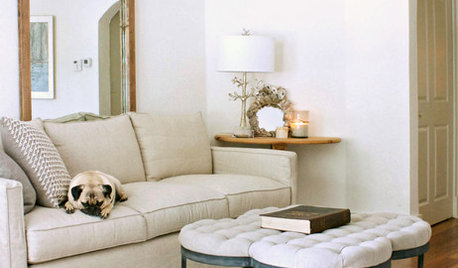
HOUZZ TOURSMy Houzz: Peacefulness and Pugs in Tampa
Soothing colors and cushy furniture make for a comfy-cozy apartment for a shop owner and her pets
Full Story
HOMES AROUND THE WORLDWorld of Design: 11 Guys and Their Personality-Filled Man Spaces
Take a tour of very individual retreats designed by creative guys around the globe
Full Story
HOUZZ TOURSMy Houzz: Personal Touches Keep Things Fun in a Historic Vancouver Home
DIY updates and bold patterns help transform an 1898 Victorian
Full Story
HOW TO PHOTOGRAPH YOUR HOUSEStep Right Up: Expressing Movement on Modern Stairs
Seeing a person on a staircase changes our perception of the design
Full Story
ENTRYWAYSDoor Knockers: A Little Jewelry for Your Entryway
For a quick and easy upgrade to your home's front door, add a knocker that fits your home and personality
Full Story
MOST POPULARA Fine Mess: How to Have a Clean-Enough Home Over Summer Break
Don't have an 'I'd rather be cleaning' bumper sticker? To keep your home bearably tidy when the kids are around more, try these strategies
Full Story
HOUZZ TOURSMy Houzz: Refined Comfort on a Florida Island
Relaxed coastal style gets a tailored touch in a cheerful, peaceful family home
Full Story
MIDCENTURY HOMESMy Houzz: A ‘Whimsical Museum Gallery’ in Texas
Era-spanning collections with healthy doses of humor keep the look lively in a 1940s rambler
Full Story
ECLECTIC HOMESMy Houzz: Color and Texture Fill an Eclectic Pittsburgh Row House
Moroccan touches join exposed brick, salvaged materials and scads of books in this home for a creative couple
Full Story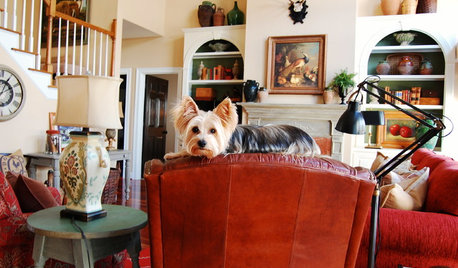
PETSThe Best of My Houzz: 50 Design-Loving Pets
Share in the animal love with snapshots of adorable furry friends from our My Houzz series
Full Story
Sponsored
More Discussions
mazer415
debd18
Related Professionals
Louisville Architects & Building Designers · Anderson Architects & Building Designers · Amherst Architects & Building Designers · Marinette Architects & Building Designers · Bakersfield Architects & Building Designers · Minot Architects & Building Designers · Augusta Interior Designers & Decorators · Portsmouth Interior Designers & Decorators · Portland Interior Designers & Decorators · Niles Interior Designers & Decorators · Mansfield Interior Designers & Decorators · York Interior Designers & Decorators · Corpus Christi Furniture & Accessories · Longview Furniture & Accessories · Portland Furniture & Accessories