

acid core solder
19 years ago
Sort by:Oldest
Comments (7)
Related Stories
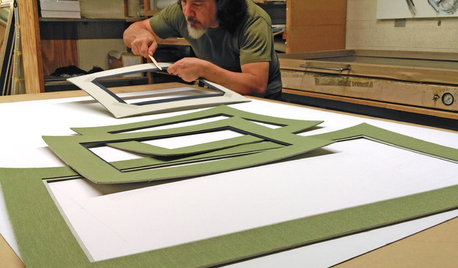
ARTYour Guide to Custom-Framing Photos and Art
Get the lowdown on framing materials, methods and more
Full Story
FLOORSWhat’s New in Flooring for 2022
See the trends in luxury vinyl, hardwood, and faux wood and stone flooring products debuting this year
Full Story
INSPIRING GARDENSA Melbourne Backyard Entices Everyone Outside
Music lovers add a pool, pizza oven and fire pit for a yard that’s a big hit with the whole family
Full Story
MOST POPULARPros and Cons of 5 Popular Kitchen Flooring Materials
Which kitchen flooring is right for you? An expert gives us the rundown
Full Story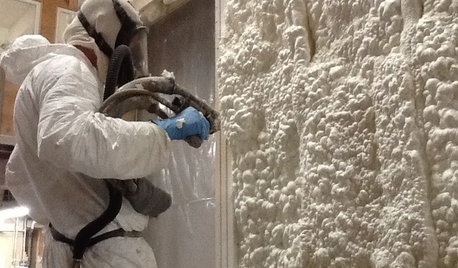
MATERIALSInsulation Basics: What to Know About Spray Foam
Learn what exactly spray foam is, the pros and cons of using it and why you shouldn’t mess around with installation
Full Story
BASEMENTSDesign Workshop: Is It Time to Let Basements Become Extinct?
Costly and often unnecessary, basements may become obsolete — if they aren’t already. Here are responses to every reason to keep them around
Full Story
GARDENING GUIDESGet on a Composting Kick (Hello, Free Fertilizer!)
Quit shelling out for pricey substitutes that aren’t even as good. Here’s how to give your soil the best while lightening your trash load
Full Story
MOST POPULAR4 Obstacles to Decluttering — and How to Beat Them
Letting go can be hard, but it puts you more in control of your home's stuff and style. See if any of these notions are holding you back
Full Story
BATHROOM DESIGNWhich Flooring Should I Choose for My Bathroom?
Read this expert advice on 12 popular options to help you decide which bathroom flooring is right for you
Full Story
GREEN BUILDINGHouzz Tour: Going Completely Off the Grid in Nova Scotia
Powered by sunshine and built with salvaged materials, this Canadian home is an experiment for green building practices
Full Story
brickeyee
homeboundOriginal Author
Related Professionals
El Dorado General Contractors · Fort Smith General Contractors · Shreveport General Contractors · Alexandria General Contractors · Lancaster General Contractors · Dodge City General Contractors · Sarnia General Contractors · Miami Home Remodeling · West Palm Beach Home Remodeling · Worcester Home Remodeling · Clearlake Home Remodeling · Murrieta Home Remodeling · Frisco Bathroom Remodelers · Victoria Bathroom Remodelers · Flint Bathroom RemodelershomeboundOriginal Author
lazypup
brickeyee
homeboundOriginal Author
lazypup