

P-trap for shower
13 years ago
Featured Answer
Sort by:Oldest
Comments (13)
 13 years ago
- 13 years ago
Related Professionals
Georgetown General Contractors · Fargo General Contractors · La Crosse General Contractors · Elko General Contractors · Paducah Home Remodeling · Houma Home Remodeling · Cumberland Home Remodeling · Charlottesville Home Remodeling · Bloomington Home Remodeling · Fresno Home Remodeling · Sanford Home Remodeling · Saint Joseph Bathroom Remodelers · North Adams Bathroom Remodelers · Omaha Bathroom Remodelers · Los Angeles Bathroom Remodelers- 13 years ago
- 13 years ago
- 13 years ago
- 13 years ago
- 13 years ago
- 13 years ago
- 13 years ago
- 13 years ago
- 13 years ago
 7 years agolast modified: 7 years ago
Related Stories

DECLUTTERINGEscape the Inheritance Trap: What to Do With Sentimental Pieces
Too meaningful to toss but too hideous, precious or unusual to display? These ideas can help
Full Story
BATHROOM DESIGNBathroom Details: Show Off Your Sink Line
You heard right. Exposed sink traps have gone stylish, with more materials and matching fittings than ever
Full Story
BATHROOM DESIGNBathroom Storage: Where to Keep the TP?
The Houzz community steps in with 19 tidy toilet paper storage solutions
Full Story
BATHROOM DESIGNHow to Design an Accessible Shower
Make aging in place safer and easier with universal design features in the shower and bathroom
Full Story
REMODELING GUIDESTop 10 Tips for Choosing Shower Tile
Slip resistance, curves and even the mineral content of your water all affect which tile is best for your shower
Full Story
BATHROOM DESIGNHow to Choose the Best Drain for Your Shower
Don't settle for a cheap fix when you can pick a shower drain that suits your style preferences and renovation codes alike
Full Story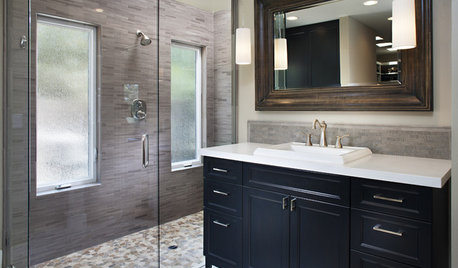
BATHROOM DESIGNThe Case for a Curbless Shower
A Streamlined, Open Look is a First Thing to Explore When Renovating a Bath
Full Story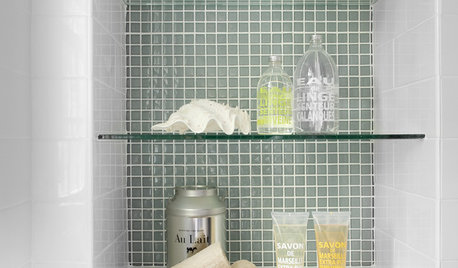
BATHROOM DESIGNHow to Pick a Shower Niche That's Not Stuck in a Rut
Forget "standard." When you're designing a niche, the shelves and spacing have to work for your individual needs
Full Story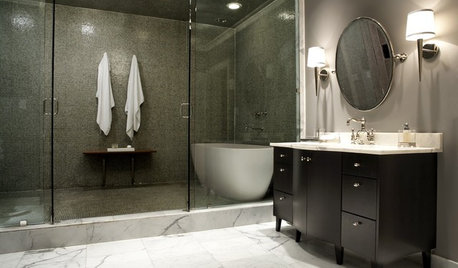
BATHROOM DESIGNHow to Choose Tile for a Steam Shower
In steamy quarters, tile needs to stand up to all that water and vapor in style. Here's how to get it right the first time
Full Story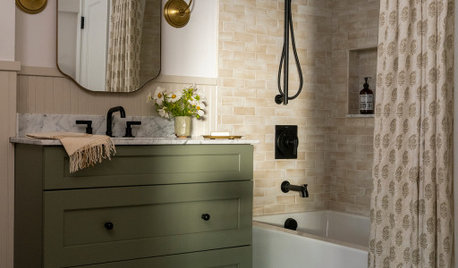
BATHROOM DESIGNShower Curtain or Shower Door: Which Is Right for You?
Find out which option is the ideal partner for your shower-bath combo
Full Story

kudzu9Original Author