

Undermount sink and mold a problem?
12 years ago
Featured Answer
Sort by:Oldest
Comments (10)
 PRO12 years ago
- 12 years ago
Related Professionals
Cincinnati Kitchen & Bathroom Designers · Virginia Beach Kitchen & Bathroom Designers · Fergus Falls Kitchen & Bathroom Designers · Victoria Kitchen Remodelers · Wichita Falls Kitchen Remodelers · South Bend Kitchen Remodelers · Newburyport Kitchen Remodelers · Lewiston Kitchen Remodelers · Mankato Kitchen Remodelers · Kearney Kitchen Remodelers · Watertown Kitchen Remodelers · Erie Kitchen Remodelers · Murrieta Kitchen Remodelers · Bloomington Custom Countertops · Plattsburgh Custom Countertops- 12 years ago
- 12 years ago
- 12 years ago
 12 years ago
- 12 years ago
 PRO12 years ago
- 12 years ago
Related Stories
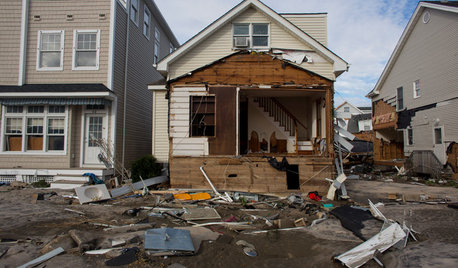
DISASTER PREP & RECOVERYHow to Combat Mold in a Flooded House
Before you rebuild or restore your water-damaged home, take these steps to keep mold at bay
Full Story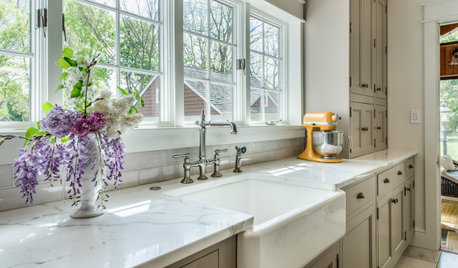
KITCHEN DESIGNHow to Choose the Best Sink Type for Your Kitchen
Drop-in, undermount, integral or apron-front — a design pro lays out your sink options
Full Story
KITCHEN DESIGNKitchen of the Week: Pushing Boundaries in a San Francisco Victorian
If the roll-up garage door doesn’t clue you in, the blue cabinets and oversize molding will: This kitchen is no ordinary Victorian galley
Full Story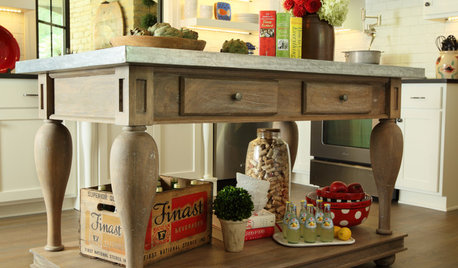
KITCHEN DESIGNKitchen Confidential: 11 Islands With Furniture Style
Break the mold with these nontraditional kitchen islands
Full Story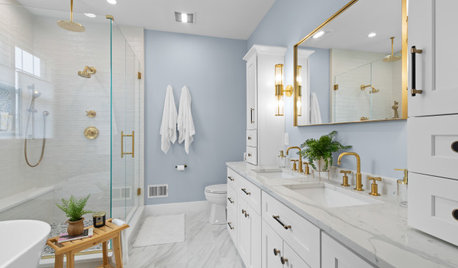
BATHROOM DESIGNHow to Choose the Right Bathroom Sink
Learn the differences among eight styles of bathroom sinks, and find the perfect one for your space
Full Story
MOST POPULARHow to Choose the Right Kitchen Sink
Learn about basin configurations, sink shapes, materials and even accessories and specialty sinks
Full Story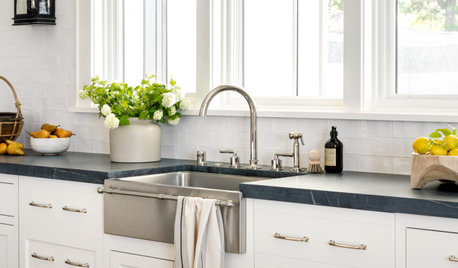
KITCHEN DESIGN8 Kitchen Sink Materials to Consider
Learn the pros and cons of these common choices for kitchen sinks
Full Story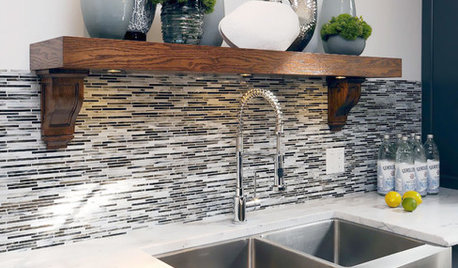
KITCHEN DESIGNKitchen Sinks: Stainless Steel Shines for Affordability and Strength
Look to a stainless steel sink for durability and sleek aesthetics at a budget-minded price
Full Story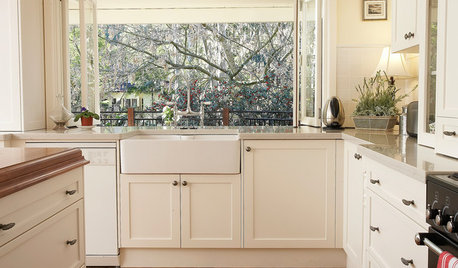
KITCHEN SINKSEverything You Need to Know About Farmhouse Sinks
They’re charming, homey, durable, elegant, functional and nostalgic. Those are just a few of the reasons they’re so popular
Full Story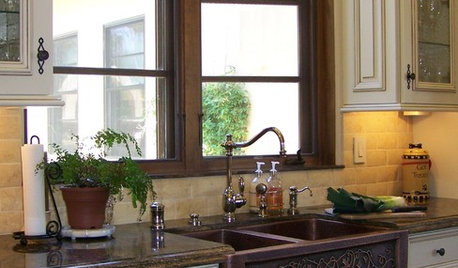
KITCHEN DESIGN8 Stylish Sink Types for Kitchens of All Kinds
Choose the wrong sink and your kitchen renovation efforts may go down the drain — these sinks will let you clean up in the style department
Full Story
Joseph Corlett, LLC