

Installing Attic Ventilation
12 years ago
Sort by:Oldest
Comments (4)
Related Stories
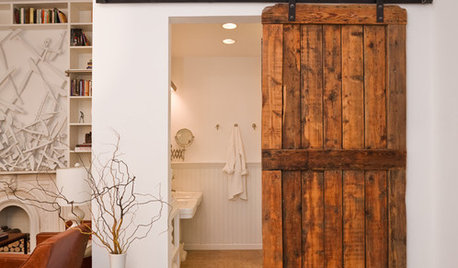
DOORS5 Questions to Ask Before Installing a Barn Door
Find out whether that barn door you love is the right solution for your space
Full Story
GREAT HOME PROJECTSHow to Install Energy-Efficient Windows
Learn what Energy Star ratings mean, what special license your contractor should have, whether permits are required and more
Full Story
MATERIALSThe Most Popular Roofing Material is Affordable and Easy to Install
Asphalt shingles, the most widely used roof material in the U.S. are reliable and efficient, and may be right for you
Full Story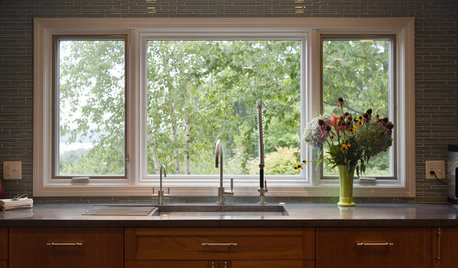
WINDOWSContractor Tips: How to Choose and Install Windows
5 factors to consider when picking and placing windows throughout your home
Full Story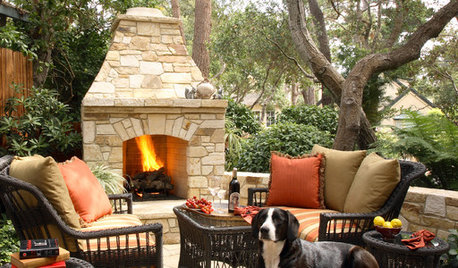
PATIOSSpring Patio Fix-Ups: Install an Outdoor Fireplace or Fire Pit
Make your yard the place to be by adding a fire feature that draws a crowd
Full Story
BATHROOM DESIGNGreen and Clean: Ventilate for a Healthy Bathroom
Ridding your bathroom of excess moisture is vital for indoor air quality. Here's how to do it best
Full Story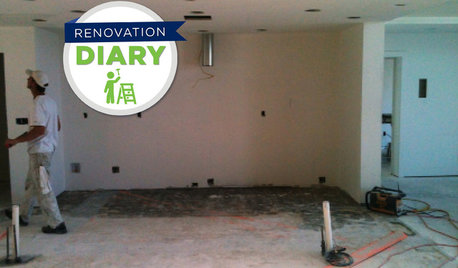
REMODELING GUIDESRanch House Remodel: Installing the Interior Finishes
Renovation Diary, Part 5: Check in on a Florida remodel as the bamboo flooring is laid, the bathroom tiles are set and more
Full Story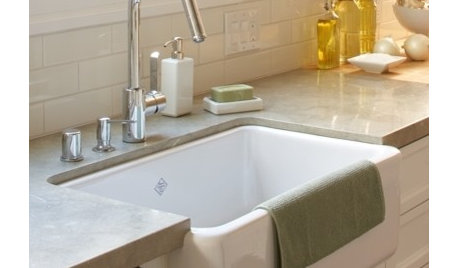
CONTRACTOR TIPSContractor Tips: Countertop Installation from Start to Finish
From counter templates to ongoing care, a professional contractor shares what you need to know
Full Story
MORE ROOMSLook Up: There May Be Living Room in the Attic
Turn that attic into a great new place for guests, work, kids — or just getting away from it all
Full Story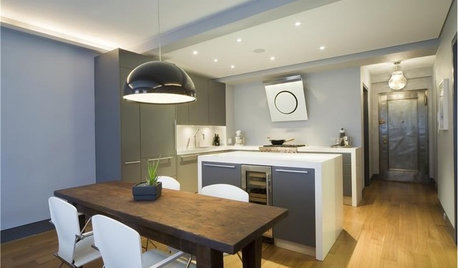
KITCHEN DESIGNHow to Choose the Right Hood Fan for Your Kitchen
Keep your kitchen clean and your home's air fresh by understanding all the options for ventilating via a hood fan
Full Story

jackfre
User
Related Professionals
Panama City Home Remodeling · Sarasota Home Remodeling · Murfreesboro Home Remodeling · Elgin Home Remodeling · Albert Lea Home Remodeling · Salem Home Remodeling · Selma Kitchen Remodelers · Daytona Beach Kitchen Remodelers · Valdosta Kitchen Remodelers · Zanesville Kitchen Remodelers · Richmond Bathroom Remodelers · Oklahoma City Bathroom Remodelers · Boston Bathroom Remodelers · Fresno Bathroom Remodelers · Las Vegas Bathroom RemodelersUser
worthy