

mildew on plaster
20 years ago
Sort by:Oldest
Comments (2)
Related Stories

WALL TREATMENTSSurface Smarts: Venetian Plaster
Centuries-old Venetian plaster has made a roaring comeback in modern interiors. Could this old-world wall favorite work in your home?
Full Story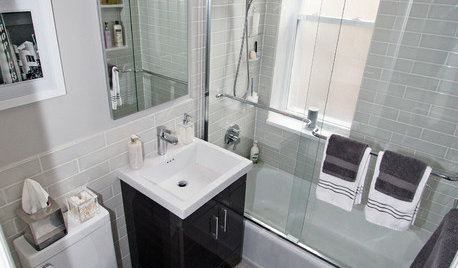
BATHROOM DESIGNWater Damage Spawns a Space-Saving Bathroom Remodel
A game of inches saved this small New York City bathroom from becoming too cramped and limited
Full Story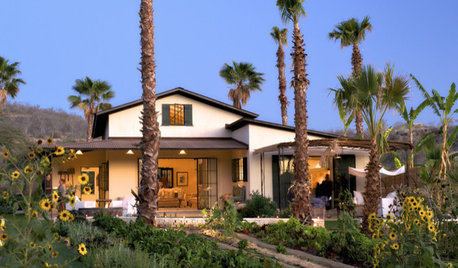
GREEN BUILDINGWhy You Might Want to Build a House of Straw
Straw bales are cheap, easy to find and DIY-friendly. Get the basics on building with this renewable, ecofriendly material
Full Story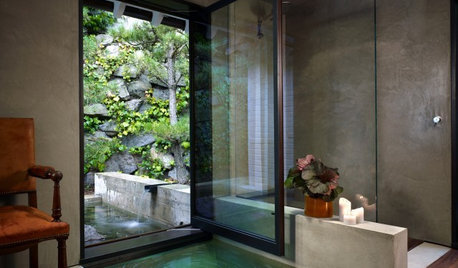
BATHROOM DESIGNGreen and Clean: Ecofriendly Tub and Shower Surrounds
Keep your bathroom beautiful and your footprint green with long-lasting, ecofriendly surface materials
Full Story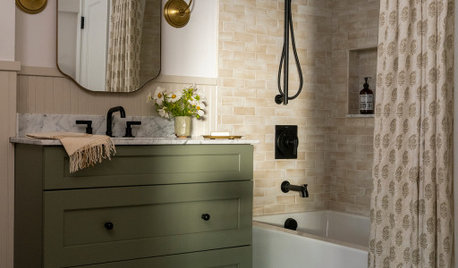
BATHROOM DESIGNShower Curtain or Shower Door: Which Is Right for You?
Find out which option is the ideal partner for your shower-bath combo
Full Story
GREEN BUILDINGInsulation Basics: Natural and Recycled Materials
Consider sheep’s wool, denim, cork, cellulose and more for an ecofriendly insulation choice
Full Story
WALL TREATMENTS11 Ways to Roll With Wallpaper All Over the Home
Ditch the misconceptions and latch on to some great ideas for decorating your walls with patterned, textural and colorful wallpaper
Full Story
GREAT HOME PROJECTSHow to Bring Out Your Home’s Character With Trim
New project for a new year: Add moldings and baseboards to enhance architectural style and create visual interest
Full Story
GREEN BUILDING11 Reasons to Live in a House of Straw
Don’t be fooled by the old folk tale. Straw bales are a strong, functional and good-looking building material
Full Story
ARCHITECTUREThe Truth About 'Simple' Modern Details
They may look less costly and easier to create, but modern reveals, slab doors and more require an exacting hand
Full Story
Michael
ionized_gwOriginal Author
Related Professionals
Washington Home Remodeling · McComb Home Remodeling · Vineland Home Remodeling · Winona Home Remodeling · Eau Claire Home Remodeling · Bakersfield Home Remodeling · Redding Home Remodeling · Tupelo General Contractors · Brainerd General Contractors · Rochester General Contractors · Carlsbad General Contractors · Bozeman General Contractors · Rapid City General Contractors · Cody General Contractors · Williamsburg Bathroom Remodelers