

Staining different woods the same colors
19 years ago
Sort by:Oldest
Comments (5)
Related Stories
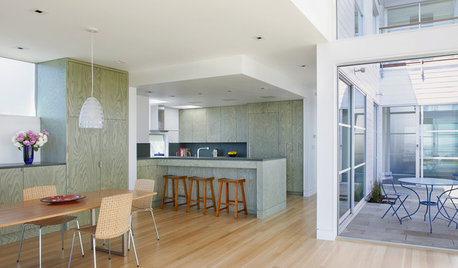
KITCHEN DESIGN8 Stunning Stain Colors for Kitchen Cabinets
Transform raw wood for custom-looking cabinetry with a stain that fills your need for color but lets the grain show through
Full Story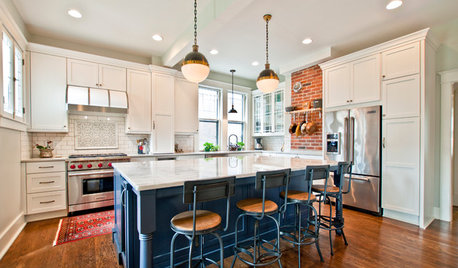
KITCHEN DESIGNKitchen Combo to Try: Neutral Cabinets, Different-Colored Island
Avoid a too-sterile look and establish a focal point with a contrasting island hue
Full Story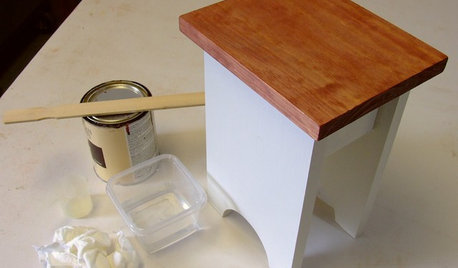
DIY PROJECTSCool Tip: Mimic Stain With a DIY Color Wash
Get the look of an oil-based stain without all the bother, using this easy wash made with paint
Full Story
DECORATING GUIDESColor Your Home's View With Stained Glass
Interiors get an enchanting perspective with stained glass windows, doors and fixtures that dapple the light
Full Story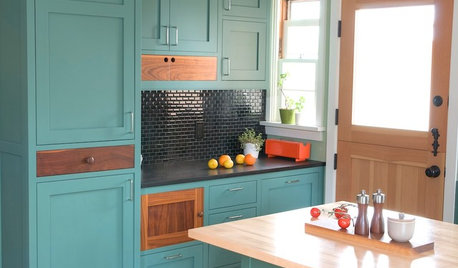
KITCHEN CABINETSKitchen Cabinet Color: Should You Paint or Stain?
Learn about durability, looks, cost and more for wooden cabinet finishes to make the right choice for your kitchen
Full Story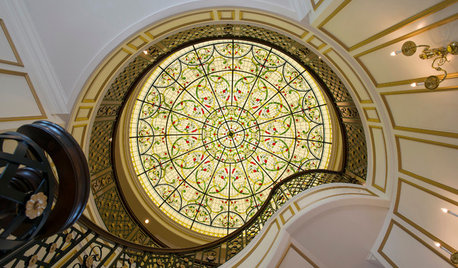
WINDOWSFlying Colors: Stained Glass Through the Ages to Today
Ancient palaces sported it. Monks were distracted by it. But today's stained glass designs may be more glorious than ever
Full Story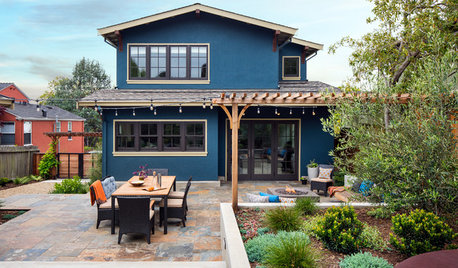
LANDSCAPE DESIGNHow to Make Your Painted or Stained House Feel at Home in the Landscape
Use color and texture to create a pleasing connection between your house and garden
Full Story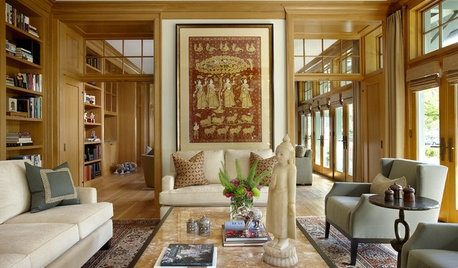
COLOR11 Terrific Paint Color Matches for Wood Details
Pair your wood trim and cabinets with the right shade of wall paint to bring out the beauty in both
Full Story
Stained Glass for Every Style
Make your home glow with light and color from modern or traditional stained glass
Full Story
DECORATING GUIDESSingle Design Moves That Make All the Difference
One good turn deserves a whole ideabook — check out these exceptional lone moves that make the room
Full Story

furnone
kmealy
Related Professionals
Rockford Cabinets & Cabinetry · Coldwater Cabinets & Cabinetry · Worthington Cabinets & Cabinetry · Newport Cabinets & Cabinetry · Kalispell Cabinets & Cabinetry · Jacksonville Carpenters · Madison Carpenters · Sacramento Carpenters · Yuba City Carpenters · Wenatchee Carpenters · Anchorage Carpenters · Little Rock Flooring Contractors · Rock Hill Flooring Contractors · Oxnard Flooring Contractors · San Francisco Flooring Contractorsgreen-zeus
kmealy
glennsfc