

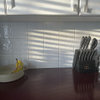
granite testing
12 years ago
Sort by:Oldest
Comments (6)
Related Stories
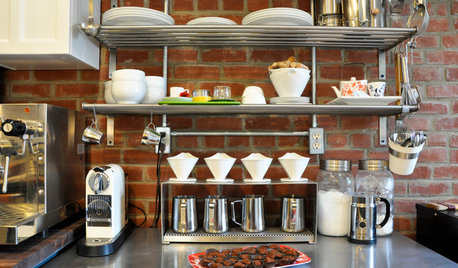
KITCHEN DESIGNSweet Ideas and a Truffle Recipe from a Chocolatier's Test Kitchen
A $2,100 budget didn't mean a half-baked kitchen redo; this confectioner just rolled up her sleeves and rolled out the improvements
Full Story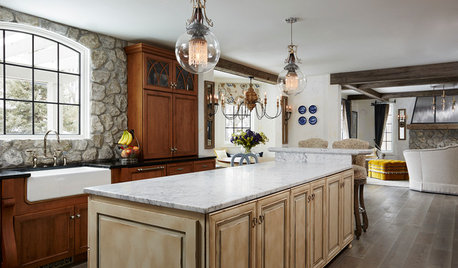
KITCHEN OF THE WEEKKitchen of the Week: Designed to Stand the Test of Time
Ageless beauty abounds in this elegant European-inspired kitchen in Minnesota
Full Story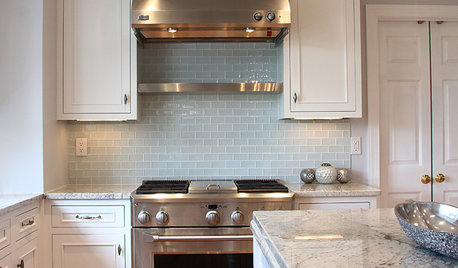
KITCHEN DESIGN5 Favorite Granites for Gorgeous Kitchen Countertops
See granite types from white to black in action, and learn which cabinet finishes and fixture materials pair best with each
Full Story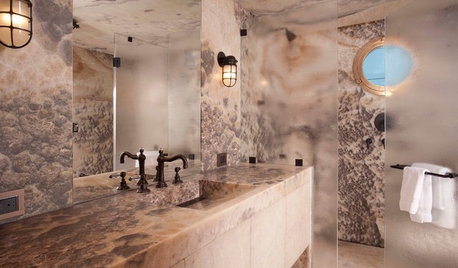
STONEGive In to Your Wild Side With Exotic Granite and Onyx
Go beyond the standard slab with these radiant and rare stones
Full Story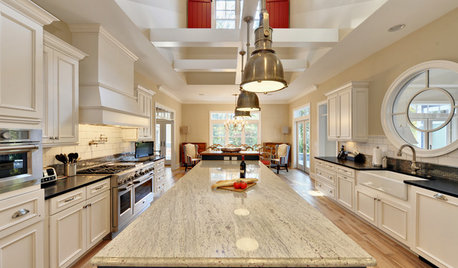
KITCHEN COUNTERTOPSKitchen Countertops: Granite for Incredible Longevity
This natural stone has been around for thousands of years, and it comes in myriad color options to match any kitchen
Full Story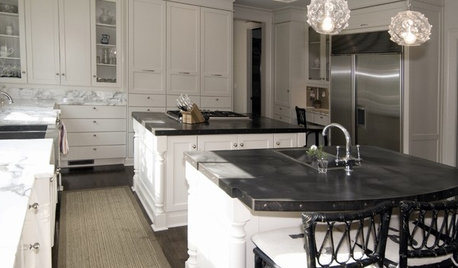
KITCHEN COUNTERTOPSKitchen Countertop Materials: 5 More Great Alternatives to Granite
Get a delightfully different look for your kitchen counters with lesser-known materials for a wide range of budgets
Full Story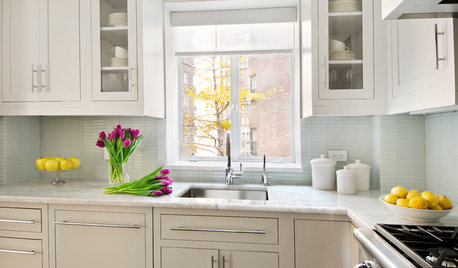
KITCHEN COUNTERTOPSKitchen Counters: Quartzite Offers Strength and Beauty
Eye-catching patterns and a natural pedigree make durable quartzite a popular alternative to granite and marble
Full Story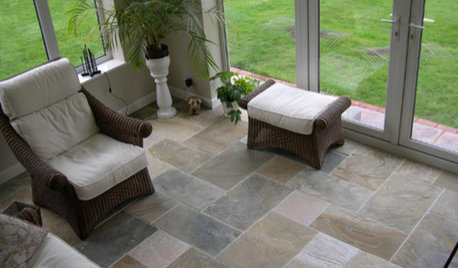
REMODELING GUIDESYour Floor: How to Find Right Stone Tile
Get the Pros and Cons of Slate, Travertine, Sandstone, Marble and Granite
Full Story
LANDSCAPE DESIGN5 Gravel and Stone Types for a Rockin' Landscape
Give your garden design some textural bam with pebbles, granite, river rocks and other permeable materials
Full Story
HEALTHY HOMEWhat's the Deal With Radon?
Get the facts on testing for this cancer-causing gas — and how to make your home safe if it shows up
Full Story
Joseph Corlett, LLC
moosipantsOriginal Author
Related Professionals
Tuscaloosa Kitchen & Bathroom Designers · Daytona Beach Kitchen & Bathroom Designers · Sebring Kitchen & Bathroom Designers · Hattiesburg Kitchen & Bathroom Designers · Johnson City Kitchen & Bathroom Designers · Auburn Kitchen & Bathroom Designers · Gary Kitchen & Bathroom Designers · Pittsburg Kitchen Remodelers · Salisbury Kitchen Remodelers · Zanesville Kitchen Remodelers · Orlando Custom Countertops · Bennington Custom Countertops · Los Angeles Custom Countertops · Coeur d'Alene Custom Countertops · Bismarck Custom Countertopsck_squared
karin_mt
annaship1
Granite City Services