

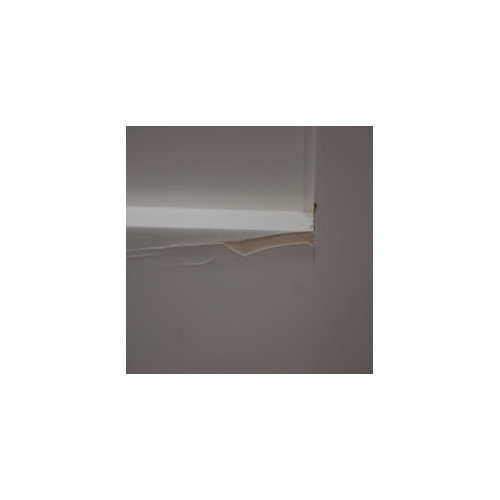
Catalyzed Finish?
14 years ago
Sort by:Oldest
Comments (13)
Related Stories
KITCHEN DESIGNKitchen of the Week: Warm Serenity in an Entertaining-Friendly Space
A subtle and sophisticated Sausalito kitchen has dual islands and plenty of storage
Full Story
KITCHEN CABINETSKitchen Cabinet Color: Should You Paint or Stain?
Learn about durability, looks, cost and more for wooden cabinet finishes to make the right choice for your kitchen
Full Story
KITCHEN CABINETSChoosing New Cabinets? Here’s What to Know Before You Shop
Get the scoop on kitchen and bathroom cabinet materials and construction methods to understand your options
Full Story
HOUZZ TOURSHouzz Tour: From Overgrown Weeds to Picturesque Farmhouse Expanse
This once-neglected 100-acre South Carolina site now features a lake, a wood-filled farmhouse and a far-reaching view
Full Story
GREAT HOME PROJECTSWhat to Know Before Refinishing Your Floors
Learn costs and other important details about renewing a hardwood floor — and the one mistake you should avoid
Full Story
KITCHEN DESIGNKitchen Remodel Costs: 3 Budgets, 3 Kitchens
What you can expect from a kitchen remodel with a budget from $20,000 to $100,000
Full Story
GREAT HOME PROJECTSHow to Replace or Revamp Your Garage Doors
Boost curb appeal and maybe even security with new garage doors. Find out cost ranges and other important details here
Full Story
MY HOUZZHouzz TV: Love Letter to a Small Midcentury Find
A 630-square-foot 1956 home captures its owner’s heart. See it when it was new and now
Full Story
HOUZZ TOURSHouzz Tour: Farmhouse Meets Industrial in a Restored New Jersey Barn
Amish craftsmen, trusting clients and an architect with a vision save a historic barn from a complete teardown
Full Story
KITCHEN DESIGNKitchen of the Week: Room for Family Fun in Connecticut
It's now connected to other rooms, but the most valuable connections for this kitchen have to do with those who live there
Full Story
Sponsored

sixtyohno
JeannieMer
Related Professionals
Washington Kitchen & Bathroom Designers · Cookeville Kitchen & Bathroom Designers · Lynchburg Kitchen & Bathroom Designers · Coldwater Kitchen & Bathroom Designers · Allentown Kitchen & Bathroom Designers · Monroe Kitchen & Bathroom Designers · Augusta Kitchen Remodelers · Chambersburg Kitchen Remodelers · Lawrence Kitchen Remodelers · Leamington Kitchen Remodelers · Savannah Custom Countertops · Bartlesville Custom Countertops · South Bend Custom Countertops · Elmira Custom Countertops · Ottawa Custom CountertopsbhalperOriginal Author
sixtyohno
Rachiele Custom Sinks
sixtyohno
User
sixtyohno
bhalperOriginal Author
sixtyohno
bhalperOriginal Author
gr8daygw
User