

G.30 breakage
11 years ago
Sort by:Oldest
Comments (2)
Related Stories
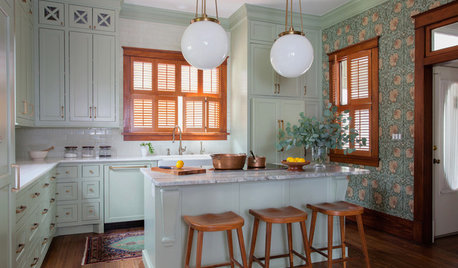
KITCHEN OF THE WEEKKitchen of the Week: Goodbye, Honey Oak — Hello, Minty Green
After more than 30 years, the Kloesels revamped their space to reflect their rural country town and Victorian-style home
Full Story
LIFEImprove Your Love Life With a Romance-Ready Bedroom
Frank talk alert: Intimacy and your bedroom setup go hand in hand, says a clinical sexologist. Here's her advice for an alluring design
Full Story
BEDROOMSRest Easy: Myth Busting for Bedding and Mattresses
We put to bed some of the misconceptions that may be keeping you from a good night's sleep
Full Story
KITCHEN DESIGNSingle-Wall Galley Kitchens Catch the 'I'
I-shape kitchen layouts take a streamlined, flexible approach and can be easy on the wallet too
Full Story
HOLIDAYSDIY: A Sculptural Modern Bouquet for Mom
Cascading calla lilies create a stylish Mother’s Day arrangement that’s right at home with minimalist decor
Full Story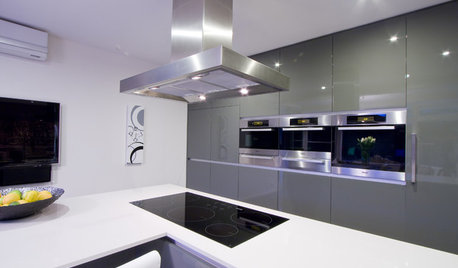
KITCHEN APPLIANCESFind the Right Cooktop for Your Kitchen
For a kitchen setup with sizzle, deciding between gas and electric is only the first hurdle. This guide can help
Full Story
GARDENING GUIDESGet on a Composting Kick (Hello, Free Fertilizer!)
Quit shelling out for pricey substitutes that aren’t even as good. Here’s how to give your soil the best while lightening your trash load
Full Story

HOUZZ TOURSHouzz Tour: Family Builds Off the Grid Near the Cascade Mountains
Homeowners carefully construct a weekend home on 20 acres in remote northeast Washington
Full Story
SAVING WATER11 Ways to Save Water at Home
Whether you live in a drought-stricken area or just want to help preserve a precious resource, here are things you can do to use less water
Full Story


alan haigh
appleseed70
Related Professionals
Somerset Landscape Architects & Landscape Designers · Baltimore Landscape Architects & Landscape Designers · Cumberland Landscape Architects & Landscape Designers · Longview Landscape Architects & Landscape Designers · Lawrence Landscape Architects & Landscape Designers · Scranton Landscape Architects & Landscape Designers · Mesquite Landscape Architects & Landscape Designers · Seattle Landscape Architects & Landscape Designers · Fayetteville Landscape Contractors · Mount Vernon Landscape Contractors · Akron Landscape Contractors · Allentown Landscape Contractors · New Orleans Home Additions · Murfreesboro Home Additions · Liberal Home Additions