

quartz counter rounding edges to avoid chip
11 years ago
Featured Answer
Sort by:Oldest
Comments (7)
 11 years ago
- PRO11 years ago
Related Professionals
Florence Kitchen & Bathroom Designers · Atlanta Kitchen & Bathroom Designers · Rock Hill Kitchen & Bathroom Designers · Beaumont Kitchen & Bathroom Designers · Ottumwa Kitchen & Bathroom Designers · Allentown Kitchen & Bathroom Designers · Cape Coral Kitchen Remodelers · Athens Kitchen Remodelers · Manhattan Kitchen Remodelers · Danville Kitchen Remodelers · Yuba City Kitchen Remodelers · Salt Lake City Kitchen Remodelers · Fayetteville Custom Countertops · New Orleans Custom Countertops · Portland Custom Countertops PRO11 years ago
- 11 years ago
- PRO11 years ago
- PRO11 years ago
Related Stories
KITCHEN DESIGNKitchen Counters: Stunning, Easy-Care Engineered Quartz
There's a lot to like about this durable blend of quartz and resin for kitchen countertops, and the downsides are minimal
Full Story
KITCHEN DESIGNKitchen Details: The Right Edge for Your Countertop
Square, Mitered, Waterfall or Bullnose? See What Counter-Edge Style Looks Best to You
Full Story
KITCHEN DESIGNGet Quartz and Porcelain Surfaces Super Clean
These cleaning tips for quartz, travertine, porcelain and engineered stone will help keep your countertops and sinks looking spotless
Full Story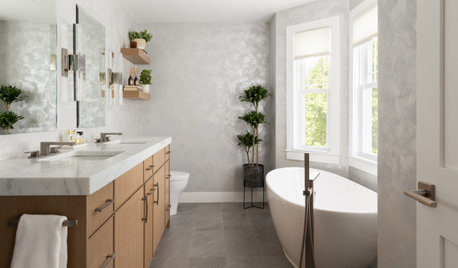
BATHROOM DESIGN5 Common Bathroom Design Mistakes to Avoid
Dodge blunders in toilet placement, shower type and more, and see examples of how to get your bathroom right
Full Story
PETS5 Finishes Pets and Kids Can’t Destroy — and 5 to Avoid
Save your sanity and your decorating budget by choosing materials and surfaces that can stand up to abuse
Full Story
STORAGE9 Ways to Avoid a ‘Floordrobe’ in Your Bedroom
Repeat after me: The floor isn’t storage space for clothes! Tackle the ‘floordrobe’ effect with these smart tips
Full Story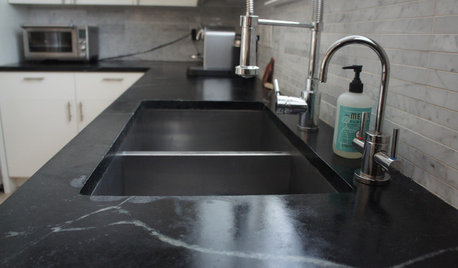
KITCHEN DESIGNSoapstone Counters: A Love Story
Love means accepting — maybe even celebrating — imperfections. See if soapstone’s assets and imperfections will work for you
Full Story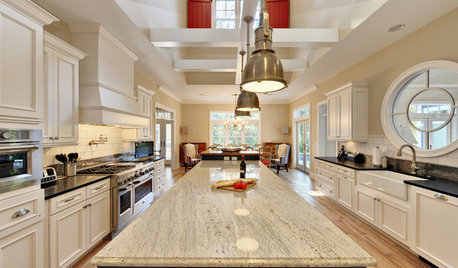
KITCHEN COUNTERTOPSKitchen Countertops: Granite for Incredible Longevity
This natural stone has been around for thousands of years, and it comes in myriad color options to match any kitchen
Full Story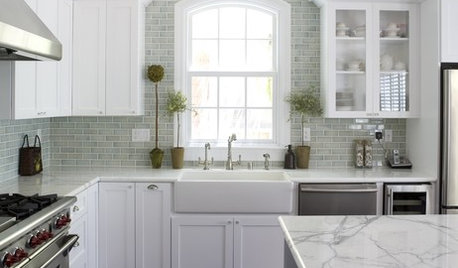
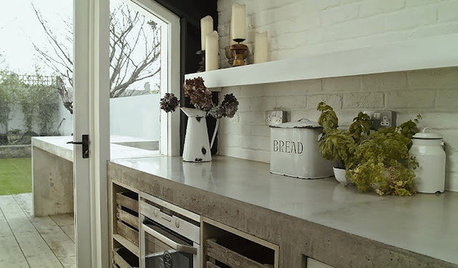
KITCHEN COUNTERTOPSKitchen Counters: Concrete, the Nearly Indestructible Option
Infinitely customizable and with an amazingly long life span, concrete countertops are an excellent option for any kitchen
Full Story

scrappy25