Software
Houzz Logo Print
trinacria_gw

Artichoke Failure, HELP!!!

11 years ago
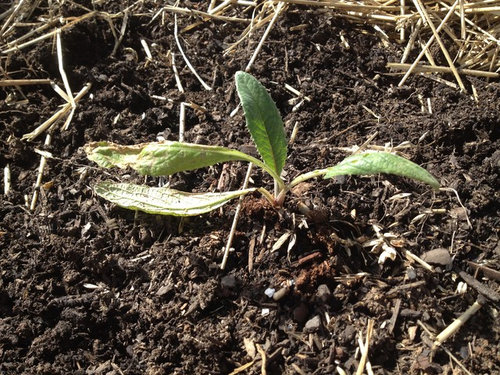

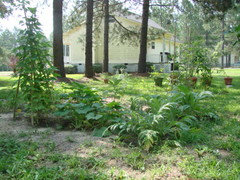
I am in zone 7a, middle TN, and attempting to grow artichokes this year. I have had successful germination and indoor seedlings. However, when it comes time (which has only been about the past couple weeks with help of a small green house) to transition them outside everything goes downhill. Almost every plants (Violetta Precoce Artichoke) leaves begin to turn brown and struggle. I am thinking this could be a drainage issue, transplant shock, even insects. I have included a photo of one I recently transplanted into the ground. Any advice???? I am trying to get them out early before temperatures soar. Overwintered Fava Beans and Peas are looking great, but these artichokes are proving to be a challenge. Thanks You.

Comments (60)

  • 11 years ago

    Anyone have luck putting your artichoke seeds in the fridge before germination, instead of vernalizing later? I have seen mixed reviews about this.

  • 11 years ago

    Trinacria - It is my understanding that the vernalization process for artichokes works only with the plants. It is a method for fooling the plant into believing that it has passed through a winter season. But my knowlwdge comes from reading internet data, so who knows?

  • 11 years ago
    last modified: 11 years ago

    Yeah vernalization and cold seed stratification are two very different things. You can cold stratify artichoke seeds, and some do, but the plants themselves would still need vernalization.

    <Artichokes are not cole crops; they are not brassicas.>

    I don't think that was claimed. Just that those cool, spring crop transplanting guidelines can also apply to artichokes very well.

  • 11 years ago

    Sorry--yes, I was counting them more in the bunch that needs to be dealt with early, like the Coles and Brassicas. Thank you for the clarification. They're technically a thistle? I would love to try artichokes some day, but am unsure whether we have enough season for them, or the right temps at the right times--too much temp swing here. I have just briefly researched their grow needs. But, I was trying to say that to me, it makes sense that that size transplant would be appropriate for cool season early planting out--able to withstand the transplant shock and changing temps even when properly hardened off.

  • 11 years ago
    last modified: 11 years ago

    Cabbage is much more cold tolerant from what I understand. Vernalization temps are not supposed to be sub zero (below freezing I mean) But yes I assume the size guidelines would be good.

    I am trying just a couple plants... if I am not successful, oh well they were a fun start in winter.

  • 11 years ago

    The confusion over temps usually often results from confusing air temps and soil temps. Balloonflower was referencing soil temps.

    Many cole crops are quite tolerant of colder air temps but they still required appropriate soil temps before transplanting plants. That distinction is crucial when dealing with transplants rather than seeds as soil temps are usually quite different from air temps - given erratic spring weather they may be colder or warmer. The only way to know is to measure it.

    Most cole crops will tolerate frosty air as long as the soil temp is adequate. Artichokes tolerate the same soil temps as cole crops but they will not tolerate freezing air.

    Dave

  • 11 years ago
    last modified: 11 years ago

    Yes, and as soil temps tend to lag behind soil temps, artichokes in the Spring are generally going to be less cold hardy than brassicas.

  • 11 years ago

    <Yes, and as soil temps tend to lag behind soil temps...>

    Ahh but see that is what I mean about the only way to know is to measure the soil temps. Soil temps often do NOT lag behind air temps (what I assume you meant to say above).

    Soil temps in much of the country will often surpass air temps. It all depends on the weather. In my zone in the spring, where the ground never freezes, the soil is almost always warmer than the air. For example, we often get several days of 65-70 degrees to warm the soil and a day later the air temps are in the low 40s. But the soil, when measured, remains in the 60-65 degree range and I can still plant.

    Don't know your location but if in the far north then yes, your soil temps may lag but that isn't always the case.

    Dave

  • 11 years ago

    Yes, it is not always the case, and you will need to get out a thermometer to determine the soil temperatures, which may be useful for planting Brassicas. However, my point is that it is safe to say that Brassicas are generally speaking more cold tolerant than artichokes, generally can go out earlier, and you will not need to get out a soil thermometer when planting artichokes, as by the time the air temps are stable springtime enough for them, the soil will most definitely be warm enough.

  • 11 years ago

    This is kind of putting the cart before the horse. However, speaking of vernalization and soil temps. Has anyone experienced success overwintering artichokes in ground. Cutting the plant down, mulching, and covering. If so, when would you uncover?

  • 11 years ago

    Trinacria - I have tried that once, but I did not provide enough protection and it did not work. I am going to try again this coming winter. This time I am going to gut the plants back to 6 inches before the first frost, mound soil around the plant to cover it with about 2 inches on top, pile 12 inches of leaves over it and cover that with a plastic sheet. As a test, I am going to dig the roots of one plant up, shake off the dirt, and hang them in my unheated shed for the winter. In April I will plant the roots in their garden space. I am told if the roots do not freeze, the plant will get a headstart the next season and be vernalized.

  • 11 years ago

    The artichokes are really starting to take off. I potted them up to Solo cups. They are getting large root systems, and each have 4-5 true leaves. What is minimum recommended night temps for setting them out? Can I move them out from under the grow lights to slow down their growth a little?


  • 11 years ago

    Anyone ever direct sow artichokes? I have had a bit of trouble transplanting them and it seems like the size of the seed plus tap root would lend itself to direct sowing in mild climates.

  • 11 years ago

    I have thought about this too. I have never tried, but my guess is you would definitely not get any artichokes they first year. Depending on the length of grow season in addition to no vernalization, my guess is you would just have a plant you would need to overwinter for next season. Just a guess, any other thoughts?

  • 11 years ago

    Peter - My 13 artichokes are the same size as your; I am in zone 7a (Northern VA). It is too cold now to transplant them, so I am taking the opportunity to put them outside during the daytime to harden them for another week. I bring them back in when the temp is below 38. The last frost occurs here around 1-15 April. I am going to take a chance and transplant 6 of them into the raised garden this coming weekend and cover them with pots when the temps fall below 38 degrees. In this way, I believe they will get sufficient hours of vernalization to produce buds. If the remainder outgrow my cups before I can transplant them, I am tranfering them to a larger pot.

  • 11 years ago

    I think this weekend will be too early for me for sure, but I will look to get them out there hardening off ASAP.

  • 11 years ago

    The craziest thing, I had 2 in a pot, and one seed sprouted like a month later. I pulled it out and it already had a huge taproot, and stuck it in a new pot, and it seems to have survived.

  • 11 years ago
    last modified: 11 years ago

    Trinacria- I tried to overwinter artichokes this winter in the way you describe. Cut them back, piled on the leaves, and put a tarp on top. It didn't work for me. I uncovered the plants yesterday to see how they were and they were mush.

    Rodney

    Trinacria thanked theforgottenone1013 (SE MI zone 5b/6a)
  • 11 years ago

    theforgottenone1013,

    That is unfortunate to hear. I was planning on trying that method, but it is not looking like it is very successful. On a more positive note, the original artichoke plant I posted about is looking much better. I'll have to cover it with another round of freezing temps arriving this weekend. Hopefully, things will warm up soon.

  • 11 years ago

    Peter- yes, they do grow big taproots from the get-go. :)

    Trinacria, Rodney- I also tried heavily mulching my plants. The leaves were mush, which is normal I think, judging by my 5 year old cardoons. But sadly, once again the voles tunneled into the roots and ate them. I think it is a problem with no solution in the winter for me. Did you have any roots left, Rodney?

  • 11 years ago

    I read on the internet that you can dig up the roots before the first freeze; shake off the dirt; and hang them in an unheated garage over the winter. In the spring you replant them and supposedly you get a headstart for the season, almost as if the plants had overwintered in the ground.

  • 11 years ago

    Charlieboring,

    Thanks for the alternative idea. Has anybody tried this? Also I have a very small outdoor closet to hang them in. I wonder if I could bag them and hang under a carport up again my house?

  • 11 years ago

    Trin... - I believe you have to put store them in an area that does not freeze.

  • 11 years ago
    last modified: 11 years ago

    Sunni- Haven't checked the roots themselves but the bases/cores of the plants are completely rotten so I highly doubt they'll come back. But I'll leave them be for a couple months and see what happens. I've got a couple cardoons in the same bed with them and one of the cardoons definitely survived (not too sure about the other one).

    Rodney

  • 11 years ago

    My artichokes are getting real close to being transplant size, and there is still nearly a month until LFD. What is the coldest temps they will handle?

  • 11 years ago

    Peter transfer them to larger pots if the roots are binding.

  • 11 years ago

    The problem is if I put them in a really big pot, they are not going to fit under the grow lights.

  • 11 years ago

    Doesn't have to be a "really big pot", just one that is somewhat bigger than the current one. And you can raise the lights. make a note for next year to not start them so early.

    Dave

  • 11 years ago

    So what is the earliest they can go out?

  • 11 years ago

    After all danger of frost is past. Most of the time that translates to approx. 10 days to 2 weeks after your last frost date.

    In my zone that would usually mean May 1st to 10th as my last frost date is April 15th-20th. But year before last we had snow and a hard freeze on May 8th.

    But only you can monitor your own weather and determine when they can go out. Until that time comes you have to have the set-up and ability to accommodate them. That usually means multiple transplants and flexible light set-ups inside or some sort of greenhouse outside.

    Dave

  • 11 years ago
    last modified: 11 years ago

    So they are tender and killed by light frost? That's going to be a challenge. I sowed them when Johnny's said to. Johnny's also says to plant them out on the frost free date.

  • 11 years ago
    last modified: 11 years ago

    I don't see where Johnny's says to plant them out on the frost free date. In fact the growing instructions say to protect them from frost.

    Protect plants from frost as
    they are tender and frost sensitive.

    It says they can be started from seed 8-12 weeks before the last frost date. That is a wide range of starting times. So for me, with a tentative plant out date of May 15th I would start seeds March 10-15th because yes, if you start them way early then it does become a challange..

    Perhaps you are confusing the vernalization information they give with transplanting instructions?

    A simple
    method of vernalization is to time transplanting
    so that plants receive 10 days of temperatures
    below 50°F (10°C). Protect plants from frost as
    they are tender and frost sensitive.

    Note temps below 50 degrees doesn't in anyway mean they are frost tolerant.

    That is one method of course if you can insure their protection as needed but it isn't the same thing as saying "transplant them out on the frost free date". Just as it is easier to harden plants off in their containers rather than in the ground it is also easier to vernalize them that way too.

    What is even easier is to plan ahead to NOT transplant them out until 2-3 weeks after the last frost date, start the seeds accordingly, and do the vernalization of their containers in a fridge 10 days ahead of that plant out date.

    Dave

  • 11 years ago

    Dave,


    See this link: http://www.johnnyseeds.com/e-pdgseedstart.aspx. ... it literally says just that.


    Also, google reveals many sources saying the seedlings tolerate light frost. It seems opinions are mixed on this.

  • 11 years ago

    Since vernalization is so important for growing artichokes in my zone 5 location I have transplanted them into the garden in early spring. They have done fine as young plants with temperatures dipping into the upper 20s. I have found the seedlings to be tough and resilient in the early spring. Sadly, my climate is too cold to overwinter these beautiful plants.

  • 11 years ago

    I see. I assumed you were going by their Growing Guide for Artichokes

    I know several sources say some varieties, when grown in zone 7 or higher, will tolerate light frost. I guess it all depends on how one defines "light frost". To me frost is frost so why push your luck when it is so easy to avoid the risk? Besides the pic of your plants over on the Growing from Seed forum show they are still quite small.

    But if you want to find out for yourself plant one and save the others back. That way you can discover how frost tolerant it is, or isn't.

    Dave

  • 11 years ago

    They are getting fairly big, at least 2 of the 4 are. Far from huge, but by the time LFD comes around they sure will be if they keep growing at this rate. They are already outgrowing their solo cups and I have a month to go. I am pretty sure if I wait until there is zero chance of frost, there is a good chance they may not get vernalized. Like chervil2 said since vernalization is so important and sometimes difficult to successfully accomplish, I'd rather take the chance of them getting some injury than not getting vernalized at all. I could always throw a floating row cover over them. As I have 4 plants, I will maybe hold one or two back, in case the ones I transplant die, as you suggest, I don't really have room for all of them, unless I want to plant them outside of the fenced garden as deer/groundhog bait.

  • 11 years ago
    last modified: 11 years ago

    Taking a chance, I recently transplanted a few more artichokes outside to assure vernalization. I feel like the risk is worth it and I have a few held back. I have the transplants under milk jugs and they seem to be acclimating well. Last night and especially tonight, I am dealing with some freezing temperatures. Last night we were in the mid-30's and tonight calls for 27. All the plants seemed to suffer no damage in the mid-30's, however, tonight I will cover with a wool blanket. If they make it through this cold snap, I feel pretty positive these plants are in the clear. If another frost hits, I'll just cover with blankets again and hope for the best.

  • 11 years ago

    I stated earlier that I had not grown artichokes using direct sowing methods, however, I remembered that last night that I did make an attempt. It was many years ago in South GA. From what I can remember, they grew fast and looked very healthy, then almost over night wilted to nothing. It was like they disappeared. Could have been the heat, obviously no vernalization and no blooms. Looking through some old, early gardening photos I found this:

    Artichoke & Cardoon


  • 11 years ago

    <I recently transplanted a few more artichokes outside to assure vernalization>

    And there is the core of the problem. You all are defining vernalization as "transplanting". Like transplanting them to the garden is the only way you can vernalize them.

    No hardening off? That's what started this discussion. Why are you not setting them outside in containers where they can be vernalized and harden off to sun and wind at the same time while still protected, even brought in?

    Vernalizing them and transplanting them are two totally separate processes. Vernalizing does not require exposure to even close-to-freezing temps. All it requires is 10-12 days of protected exposure to 40-50 degrees. That is hardening-off.

    After that if it is still too cold at night, if there is still a risk of frost, the containers can be brought back inside and the plants wait for transplanting until all danger of frost is past.

    Dave

  • 11 years ago
    last modified: 11 years ago

    Considering that many have no luck at vernalization, I am skeptical that exposing them to cold temperatures during the day then bringing them indoors to cozy temps at night is going to work. That may not be enough. Also, Johnny's themselves say the best way to vernalize is to time your transplanting. And, someone posted already they have success doing what I am planning. Please stop posting as if you are the only one who has any idea what they are doing. There are alternate opinions out there on many topics. Of course, I, plan on hardening off before transplanting.

  • 11 years ago

    'Please stop posting as if you are the only one who has any idea what they are doing'

    That really is rather harsh, peter. Dirt has been posting excellent, accurate and practical advice for many years on these forums and has been working with plants even longer. I would seriously consider his recommendations on anything related to vegetable growing.

    Your first post showed that you are not a seasoned artichoke grower yourself since you are wondering when to put your plants out and you don't know how long your cups can hold them. Perhaps digdirt really is worth listening to.

  • 11 years ago

    Getting a crop in the first year not only depends on vernalizing correctly but it also depends on the specific variety of artichoke you are growing. Grow the wrong variety and you most likely won't get anything. Which was one of the problems I had last year (in addition to my seedlings being small due to a late start when attempting to vernalize).

    I wouldn't transplant them to the garden unless the nighttime temps have been consistently at or above 40*F for about a week and I'd be protecting them if the temps were to drop down to 37*F or below. Of course this is after hardening them off first.


    This Virginia Coop Extension publication might be of benefit to read.


    Rodney

  • 11 years ago

    Peter I said nothing about "bringing them indoors to cozy temps at night". That defies logic. And Johnny's does NOT say it is the "best way". It says it is "an easy way". It is one option, weather permitting. It is also a risky way in some climates as the weather does not permit it.

    I am not in any way indicating that I am the only one who has any idea what they are doing. I do however have many years experience with vernalizing plants. So all I am saying is that given the lack of experience and knowledge about the process many appear to have with this process, as clearly reflected in this thread, you are way over-complicating the entire process.

    Vernalization does not equate to transplanting. And that is why many have "no luck at vernalization". Please keep in mind that vernalization is hardly restricted to artichokes. It is done all the time, industry wide, with many different plants, and 95% of the time it is done with the plants in containers.

    You may well be planning on hardening them off first, especially now that it has been pointed out. However many do not and that only further complicates the process.

    Dave


  • 11 years ago

    How exactly do you harden off and not expose to nighttime low temps without bringing them indoors at night? I do not have a greenhouse.


    And your posts are continuing to strike me as condescending. I'm just going to bow out here.

  • 11 years ago

    In answer to your question - you use row covers, you bring the plants into garages, sheds, porches or carports, you cover them with newspapers, you festoon them with Christmas lights, you turn the garden chairs upside down, you use buckets, cardboard boxes, leaves or straw, and on and on.

    Sharing a lifetime's experience and expertise with beginners is not condescension. Here's a quote from another recent poster on this forum: 'Thanks Dave. I've been reading your posts for years. You basically taught me how to garden.'

    It's sad you'll miss out on Dirt's advise and support in the future.

  • 11 years ago
    last modified: 11 years ago

    Thanks floral for the support. Appreciate it.

    Peter - as floral said you sure don't need a greenhouse to harden off plants. In fact it can't be done inside a greenhouse. There are many ways to harden off plants and to vernalize plants that do not include transplanting them to the garden or exposing them to risky temps, much less to frost. Trying to rush the whole process is what gets most folks and their plants into trouble and is what started this thread in the first place.

    As I said in my post above, those plants pictured are far too small to be planted out IMO, even with protection. Mine are always at least 3x that size with a minimum of 8-9 leaves before they get transplanted to the garden. But the choice of how and when to do it is always your choice, your risk to take.

    Dave

  • 11 years ago

    Are you talking to me? I have repeatedly said that I plan on planting out in about a month around LFD as Johnny's suggests, not now. I also never said you need a greenhouse to harden off, I said you need a greenhouse to not expose them to overnight lows without bringing them inside. Onviously, there are ways to provide protection - whether they are in pots or in the ground.

  • 11 years ago

    I should have been much more specific on a past post regarding transplanting artichokes. My terminology was not the best. The plants I was discussing in my last post were within the same group as the plant in my original post, just not yet planted in the ground. I have kept them under my car port and giving them a bit of sun over the past week. By no means would I consider the process proper hardening off or wise. I really did not have a ton of hope for these plants, however, the seemed to be pulling through. I decided it could not hurt anything to plant these and see what happens. Not a wise move, by any means, with today's night time temperature. This entire process was probably not even note worthy.

    On the other hand, I have another group of artichokes that are still inside, that I plan to be patient with. They are producing more leaves and seem to be growing strong. I really do not plan on attempting any type of vernalization, hardening off, or transplanting until we are into April. Seems temperatures will mellow out a bit more and give the plants more time to grow. With these I have taken everyones input, applied it, and I am getting some positive results. Thank you all for your help. I am new to artichokes this year, wanted to give them another try after past failures. I have zero experience with vernalization and it is easier for me to protect the plants outside. Indoor space is limited at the moment, but I am making the best of it. I appreciate all the advice and tips.

  • 11 years ago
    last modified: 11 years ago

    On Sunday I transplanted 6 artichoke plants into my raised garden in Northern VA (zone 7a). Last night I covered each of them with a pot. Temprature was down to 40 degrees last night; and this morning they looked alright. What I hope will happen is that the pots will protect them from frost but the 38-50 degree temps will vernalize them and allow blooming. I kept 6 plants under lights in case these get killed by a late freeze. Fingers are crossed and the dogs have been warned!

    One more night survived with temperature of 36 degrees. So far, so good!

  • 11 years ago

    As a test, I left one of my plants uncovered during the frost last night. It appears to be completely unharmed. Of course, it was thoroughly acclimated to cold temps. Under a row cover they seem to have no problem with cold temps from day 1.

    Based on this year's experience, for me the tough part has been keeping the artichokes healthy indoors, rather than keeping them alive outdoors. Hopefully they take off, some of the droopy leaves the occurred after potting up still look terrible, but the new growth all looks so much better than anything the plant was doing indoors.