

Root pruning experiments on seedlings
11 years ago
Sort by:Oldest
Comments (3)
Related Stories
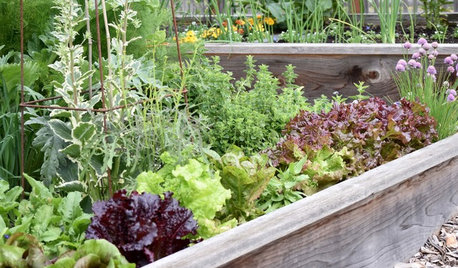
GARDENING GUIDESSeeds or Seedlings? How to Get Your Garden Started
Growing delicious herbs and vegetables starts with knowing your goals and when you want to plant
Full Story
WINTER GARDENINGPruning Secrets for Exquisite Roses
Encourage gorgeous blooms year after year with this time-tested advice on how to prune your rosebush in winter for health and shape
Full Story
GARDENING GUIDESGot Frost-Damaged Plants? How It Happens, and When and How to Prune
Don’t rush to cut back brown, brittle growth after a freeze
Full Story
ARTThe Beauty of Bonsai — Living Art, Rooted in Harmony
Create your own emblem of nature's balance with an art form dating back 1,000 years
Full Story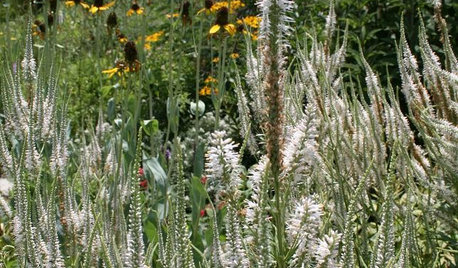
CENTRAL PLAINS GARDENINGGreat Design Plant: Culver's Root
Spiky summer blooms beloved by butterflies and architectural interest in winter make this Midwest native plant worth featuring in the garden
Full Story
EDIBLE GARDENSSummer Crops: How to Grow Tomatoes
Plant tomato seedlings in spring for one of the best tastes of summer, fresh from your backyard
Full Story
MID-ATLANTIC GARDENINGChecklist: What To Do in the Garden This Month
February Gardener: Plant sprouts, start seedlings, force bulbs, grow an orchid and more
Full Story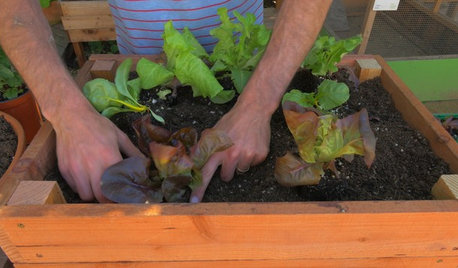
HOUZZ TVHouzz TV: How to Make and Plant a Veggie Box
See how to start edibles from seed, then transfer the seedlings to a box on stilts to make harvesting more fun
Full Story
WINTER GARDENINGCalifornia Gardener's January Checklist
Winter-defying blooms and pruning saws earn a cheer, while California-focused gardening design books get a well-deserved shout-out
Full Story
TREESGreat Design Plant: Southern Live Oak Offers an Unbeatable Canopy
Keep it dense or prune it for more light. No matter how you grow Quercus virginiana, it’s a majestic addition to its native landscape
Full Story

wisconsitom
Amy z6b
Related Professionals
Spartanburg Landscape Architects & Landscape Designers · Kalamazoo Landscape Architects & Landscape Designers · Altoona Landscape Architects & Landscape Designers · Billings Landscape Architects & Landscape Designers · Provo Landscape Architects & Landscape Designers · Danbury Landscape Contractors · Rockford Landscape Contractors · Effingham Home Additions · Gulfport Home Additions · Rocky Mount Home Additions · Amherst Home Additions · Saginaw Home Additions · Pittsburgh Home Additions · Tucson Home Additions · Reno Home AdditionsToronado3800 Zone 6 St Louis