

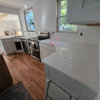
Flush inset cabinets
11 years ago
Sort by:Oldest
Comments (9)
Related Stories
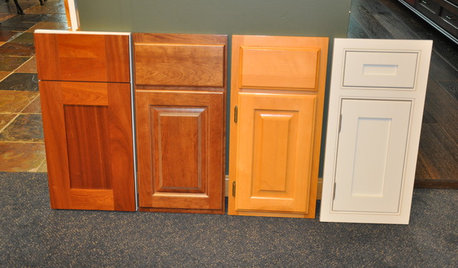
KITCHEN CABINETSLearn the Lingo of Kitchen Cabinet Door Styles
Understand door types, materials and cabinet face construction to make the right choice when you shop
Full Story
REMODELING GUIDESGet the Look of a Built-in Fridge for Less
So you want a flush refrigerator but aren’t flush with funds. We’ve got just the workaround for you
Full Story
KITCHEN CABINETSCabinets 101: How to Choose Construction, Materials and Style
Do you want custom, semicustom or stock cabinets? Frameless or framed construction? We review the options
Full Story
KITCHEN CABINETSKitchen Cabinet Color: Should You Paint or Stain?
Learn about durability, looks, cost and more for wooden cabinet finishes to make the right choice for your kitchen
Full Story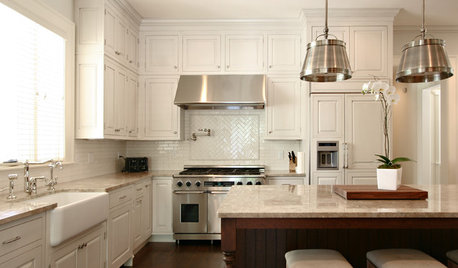
KITCHEN CABINETSYour Guide to Choosing Kitchen Cabinets
Updating your kitchen? See designers' top choices for kitchen cabinet styles, hardware choices, colors, finishes and more
Full Story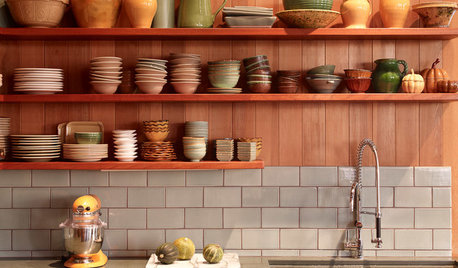
KITCHEN CABINETS9 Ways to Save Money on Kitchen Cabinets
Hold on to more dough without sacrificing style with these cost-saving tips
Full Story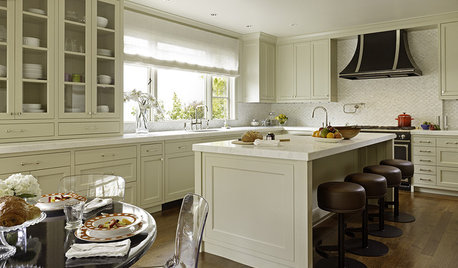
KITCHEN DESIGNNeed More Kitchen Storage? Consider Hutch-Style Cabinets
Extend your upper cabinets right down to the countertop for more dish or pantry storage
Full Story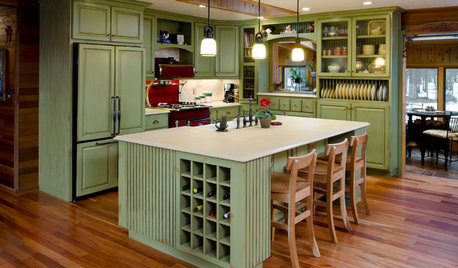
MOST POPULARHow to Reface Your Old Kitchen Cabinets
Find out what’s involved in updating your cabinets by refinishing or replacing doors and drawers
Full Story
STORAGEDesign Workshop: 3 Ingenious Ways With Wall Cabinets
For storage, space dividers and more, look to integrated cabinetry that enhances a room’s architecture and helps you live better
Full Story
KITCHEN DESIGN8 Top Hardware Styles for Shaker Kitchen Cabinets
Simple Shaker style opens itself to a wide range of knobs and pulls. See which is right for your own kitchen
Full StorySponsored

Columbus Design-Build, Kitchen & Bath Remodeling, Historic Renovations

CEFreeman_GW DC/MD Burbs 7b/8a
shaggydogs
Related Professionals
Covington Kitchen & Bathroom Designers · Harrisonburg Kitchen & Bathroom Designers · Stamford Kitchen & Bathroom Designers · Allentown Kitchen & Bathroom Designers · Dothan Kitchen Remodelers · Sugar Land Kitchen Remodelers · Chicago Kitchen Remodelers · Winona Kitchen Remodelers · Spokane Kitchen Remodelers · Waycross Custom Countertops · Gaithersburg Custom Countertops · Clarksburg Custom Countertops · Keene Custom Countertops · La Crosse Custom Countertops · Saint George Custom CountertopsCEFreeman_GW DC/MD Burbs 7b/8a
mdln
rococogurl
scrappy25
CEFreeman_GW DC/MD Burbs 7b/8a
12crumbles
scrappy25