

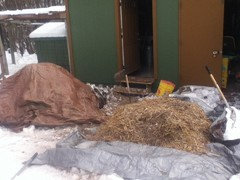
Only straw for carbon
11 years ago
Featured Answer
Sort by:Oldest
Comments (12)
 11 years ago
Related Professionals
Belleville Landscape Architects & Landscape Designers · Salisbury Landscape Architects & Landscape Designers · Rocky Mount Landscape Architects & Landscape Designers · Waterloo Landscape Architects & Landscape Designers · Edison Landscape Architects & Landscape Designers · Salisbury Landscape Contractors · Providence Landscape Contractors · Cowansville Landscape Contractors · Fort Smith Stone, Pavers & Concrete · Tallahassee Stone, Pavers & Concrete · Cambridge Stone, Pavers & Concrete · Muncie Stone, Pavers & Concrete · Syracuse Stone, Pavers & Concrete · Pittsburgh Stone, Pavers & Concrete · Las Vegas Stone, Pavers & Concrete 11 years ago
 11 years ago
- 11 years ago
 11 years ago
- 11 years ago
 11 years ago
- 11 years ago
- 11 years ago
- 11 years ago
- 11 years ago
Related Stories
GREEN BUILDINGWhy You Might Want to Build a House of Straw
Straw bales are cheap, easy to find and DIY-friendly. Get the basics on building with this renewable, ecofriendly material
Full Story
GREEN BUILDING11 Reasons to Live in a House of Straw
Don’t be fooled by the old folk tale. Straw bales are a strong, functional and good-looking building material
Full Story
HOUZZ TOURSHouzz Tour: A Straw-Bale Getaway With Sweeping Views
Using passive solar and other green building methods, this Colorado home creates an energy-conscious vacation spot for a family of 5
Full Story
PRODUCT PICKSGuest Picks: 20 Earth-Friendly Accessories for Baby
Get your nursery in top ecofriendly form with essentials and extras that have organic cred or a low carbon footprint
Full Story
GREEN BUILDINGGoing Solar at Home: Solar Panel Basics
Save money on electricity and reduce your carbon footprint by installing photovoltaic panels. This guide will help you get started
Full Story
FURNITUREOrigins Revealed: The Orkney Chair Goes From Humble to Haute
Straw and driftwood made up the original versions, but Orkney chairs have come a long way from their modest island beginnings
Full Story
HEALTHY HOMEDetox Your Kitchen for the Healthiest Cooking
Maybe you buy organic or even grow your own. But if your kitchen is toxic, you're only halfway to healthy
Full Story
HOME TECHThe Inevitable Future of Drones Around Your Home
As Google joins the push for airborne deliveries, it seems only a matter of time before neighborhoods are buzzing with drones. Is that OK?
Full Story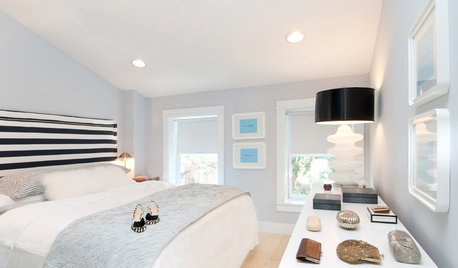
BEDROOMSGuessing Game: What Might Our Bedrooms Say About Us?
For entertainment only; actual accuracy may vary. Always don fun goggles and engage your imagination before playing!
Full Story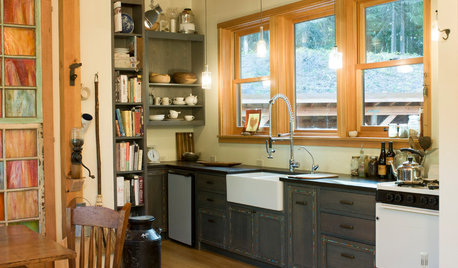
HOUZZ TOURSHouzz Tour: Off the Grid in the Remote Washington Wilderness
Not only does this house run on solar power, but it was built with it too
Full Story
lisanti07028