

Watering Needs for Various
11 years ago
Sort by:Oldest
Comments (5)
Related Stories
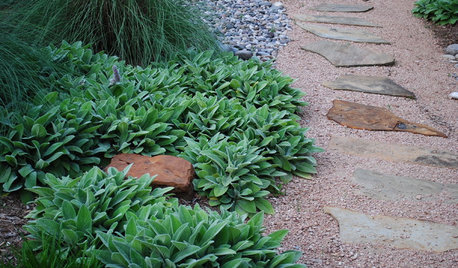
SAVING WATERLush Gardens With Low Water Needs
Drought tolerant doesn’t have mean spindly, brown and thorny
Full Story
ARCHITECTUREWant to Live by the Water? What You Need to Know
Waterside homes can have amazing charm, but you'll have to weather design restrictions, codes and surveys
Full Story
LANDSCAPE DESIGNSee a Lush Australian Garden That Needs Little Water
Highly self-sufficient and sustainable, this oasis near Sydney offers something special around every corner
Full Story
KITCHEN APPLIANCESLove to Cook? You Need a Fan. Find the Right Kind for You
Don't send budget dollars up in smoke when you need new kitchen ventilation. Here are 9 top types to consider
Full Story
LANDSCAPE DESIGNDoes Your Landscape Need a Little ‘Cosmic Latte’?
Beige — the color of the universe — can be both building block and backdrop in a contemporary garden
Full Story
GARDENING GUIDESYou Don't Need Prairie to Help Pollinators
Woodlands, marshes, deserts — pollinators are everywhere
Full Story
COLORNo Need to Shrink From Violet
With shades from soft to rich and uses from a droplet to a wave, there’s a violet that will work for you
Full Story
DECORATING GUIDESWhat You Need to Know Before Painting Brick
Sure, painted brick can be a great look. But you need to take some risks into account. Here's how to paint brick like a pro
Full Story
HEALTHY HOMEWhat You Need to Know About Dust and How to Fight It
Breathe easier with these 10 tips for busting mites, dander and other microscopic undesirables
Full Story
FUN HOUZZ14 Things You Need to Start Doing Now for Your Spouse’s Sake
You have no idea how annoying your habits at home can be. We’re here to tell you
Full Story


little_minnie
daninthedirt (USDA 9a, HZ9, CentTX, Sunset z30, Cfa)
Related Professionals
Houma Landscape Architects & Landscape Designers · Bartlesville Landscape Architects & Landscape Designers · Plainfield Landscape Architects & Landscape Designers · Wichita Falls Landscape Contractors · Parkersburg Landscape Contractors · Worcester Landscape Contractors · Missoula Landscape Contractors · Chatham Landscape Contractors · Kissimmee Accessory Dwelling Units · Austin Accessory Dwelling Units · Fort Dodge Accessory Dwelling Units · Moline Accessory Dwelling Units · Binghamton Accessory Dwelling Units · Brattleboro Accessory Dwelling Units · Lubbock Accessory Dwelling Unitsdigdirt2
grubby_AZ Tucson Z9
nancyjane_gardener