

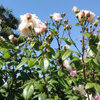
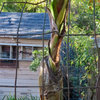
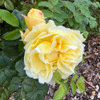
Rosa bracteata (long)
11 years ago
Sort by:Oldest
Comments (3)
Related Stories
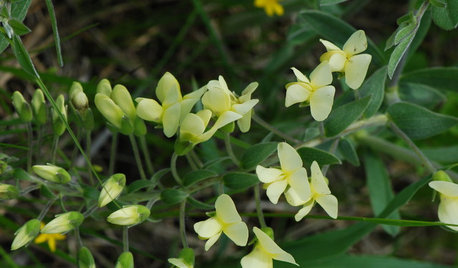
FLOWERS AND PLANTSPlant Baptisia Bracteata for Blooms Pollinators Will Love
Longbract wild indigo is great in dry soil, and its spring flowers attract butterflies and bumblebees
Full Story
GARDENING GUIDESGreat Design Plant: Rosa Californica
Plant California wild rose for easy care and a touch of romance in your native garden
Full Story
HOUZZ TOURSMy Houzz: Tiny Amsterdam Apartment Bursts With Personality
Studio Nest founder mixes vintage finds, worldly treasures, industrial pieces to create a cozy and eclectic home
Full Story
KITCHEN DESIGNKitchen of the Week: Artistic Flair in the Wine Country
A fresh combination of colors and a user-friendly layout create a California midcentury ranch kitchen made for hanging out
Full Story
HEALTHY HOMEHow to Childproof Your Home: Expert Advice
Safety strategies, Part 1: Get the lowdown from the pros on which areas of the home need locks, lids, gates and more
Full Story
GREAT HOME PROJECTSHow to Install a Dimmer Switch
New project for a new year: Take control of your lighting to set the right mood for entertaining, dining and work
Full Story
FLOWERS10 Spring Wildflowers for the Central Plains
These blooming native perennials thrive in dry locations and help welcome early-season pollinators
Full Story
GARDENING GUIDESSupport Bumblebees by Providing Forage in 3 Seasons
Bumblebees are fascinating and fun to observe foraging in gardens. Find out how to create a buffet for these fuzzy, charismatic bees
Full Story
HEALTHY HOMEWhat You Need to Know About Dust and How to Fight It
Breathe easier with these 10 tips for busting mites, dander and other microscopic undesirables
Full Story
REMODELING GUIDESClean-Burning Woodstoves Ignite a Greener Heating Trend
No need to rely on oil or gas to heat your home — new woodstove designs burn cleanly and are beautiful to boot
Full Story
philipatx
User
Related Professionals
Little Rock Landscape Architects & Landscape Designers · Pittsburg Landscape Architects & Landscape Designers · Columbus Landscape Architects & Landscape Designers · Billings Landscape Architects & Landscape Designers · Jonesboro Landscape Contractors · Charlotte Landscape Contractors · Fayetteville Landscape Contractors · Greenfield Landscape Contractors · Bennington Landscape Contractors · Temecula Landscape Contractors · Amarillo Landscape Contractors · Crestview Home Builders · Florence Home Builders · Beaumont Home Builders · Parkersburg Home Builderslplantagenet7AVA