Software
Houzz Logo Print
hzdeleted_23171453

Should worm beds be covered?

11 years ago

Leaching can happen after heavy rains not too mention the worms will float away. I was covering several of my beds until I ran into a problem with chipmunks. Anytime you leave plastic or tarps laying out, your bound to have rodents and snakes. Do you cover your worm beds and if so, what do you use?

Comments (16)

  • 11 years ago

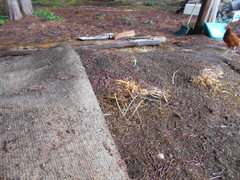
    I like to use used carpet. It is easy to weight down the perimeter.

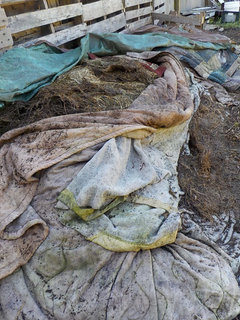
    Old blankets work well also. I also like to use straw, but it is not critter proof. Sometimes I find a snake hiding under the covers.

    I use tarps to keep out excessive rain.

    Anything that breathes and protects is good. These covers also help retain moisture, insulate the bed, and keep the top dark so it gets worked.


    Good luck and happy wormin'


    Pete


    User thanked mendopete
  • 10 years ago

    I use lids on my bins because otherwise I've found evidence of raccoon sized varmints digging. Never yet had a problem with worms flying the coop.

    User thanked baldeagleomelette
  • 10 years ago

    I have some bins that I cover, and some that I don't cover. This is because I have predominantly two kinds of worms, one species that likes a 'wet' bin and one that likes a much drier/slightly moist bin. My 'Alabama Jumpers' (purchased worms) like their home far drier than the purplish worms that I acquired by surprise in a few bags of cow compost that I bought locally through a home improvement chain. Almost certain that they are Eudrilus Eugeniae. They seem to like the wetter, the better.

    User thanked dott
  • 10 years ago

    @dottgk... Do you use the same bedding for your alabama jumpers? I thought they like hard soil.

  • 10 years ago

    @Sandy, the jumpers seem to like whatever I give them just fine, but they just don't seem to like it very wet at all. I can find small worms almost anywhere in the bin 1" and deeper from the top, where there is slight moisture and plenty of warmth, but the mature ones are usually near the bottom where its denser, and some cooler, they might also like a tiny bit more clay in the mix, if they could get it, but it's difficult to accommodate them with that in Florida easily, so they usually get the same as the rest. The real difference is the castings the Jumpers produce, compared to the E.E.'s. Jumper castings are very fine, like espresso grounds, and it's very heavy, sticky, muddy, mucky stuff when it's really wet, so can't say I blame them for not liking it soggy; it's got to be very hard to breathe through, which, I suppose, is why they head up into the grass or onto pavement when we get flooding rain here. Higher, drier ground.

  • 10 years ago

    Also, to answer the OP, I cover my bins with materials that don't touch the soil, I lay it on the lip of the bin like a lid. Usually it's 2 pieces of flat pressed exterior glueboard, with a small gap left in the center, never ever treated green board, which is toxic. If I do lay anything ON the soil, I really like wet burlap, damp cardboard or wet newspaper, mostly just to ward off too much sun in summer.

  • 10 years ago

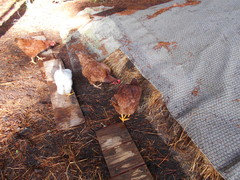
    Thanks for all the great advice. I like to cover the worm beds mainly to keep out the elements (sun and heavy rain) but I've had my share of problems with rodents. I've used wood, tarps, burlap, and even landscape fabric. It doesn't matter what I use, I would attract some kind of animal. I even had a problem with ants from the wet wood. Now I just use a netting screen across my beds to keep the crows out. It gives the worms a little protection from the weather as well.

  • 10 years ago

    Sandy, how big an area are/is the bed?

  • 10 years ago

    The varmits I have the most trouble with are little bitty frogs, one bin near a shrub has had as many as 10 of these "peepers" ( as call them) and they can clean out the bin of worms in no time at all if I don't evict them often enough. Being in Florida, I also sometimes catch geckos in one or another bins that are near a palm tree out back, and often find 3-4 gecko's eggs they have buried in the bins whenever I sift or stir it. The geckos don't eat as many worms as the frogs do though, since they have to leave to sun themselves to digest anything they eat. :/

  • 10 years ago
    last modified: 10 years ago

    These frogs must be stopped. I have seen them around but never in a bin before. Perhaps if you kept a black snake in quarters near to the worms, that would dissuade the frogs... Maybe just predator droppings in the bin would keep frogs away, like an old litter box scares rodents off. Would also feed worms at the same time :)

  • 10 years ago

    @11otis My worm beds are approximately 40 feet long. My biggest threat right now are the black crows. They seem to be having their way scratching through the beds in the search for worms. Never ate crow but I'm thinking about it!

  • 10 years ago

    I was going to suggest building a bin out of hardware cloth complete with a cover - but that 40ft is quite a large bin.

    I made a 3x3 bin covered on all sides using about 27 ft of hardware cloth that works quite well for me but I use it for hot composting in the summer.

  • 10 years ago

    I use long windrows for worm beds. I never intended on becoming a worm farmer. I was just trying to find a quicker way to compost manure and deal with the smell and the flies. I guess it worked out for the best!

  • 10 years ago

    Have you tried bird-netting? It's cheap enough.

    User thanked monomer
  • 10 years ago

    Nope, that's one I'll have to try.

Sponsored