Software
Houzz Logo Print
joycentric

Problems are happening! ):

11 years ago
Problems have arose! Some of my succulents are not doing so hot. ):

As a background: About 4 hours of full sun then bright shade, east facing balcony, warm and humid climate in Honolulu, repotted plants have Kelloggs Palm, Cactus, Citrus soil (made of recycled forest products, pumice, sand, bark fines, dehydrated poultry manure, hydrolyzed feather meal), and kinda get watered once a week. Recently I've noticed that some guys don't like a set watering schedule.

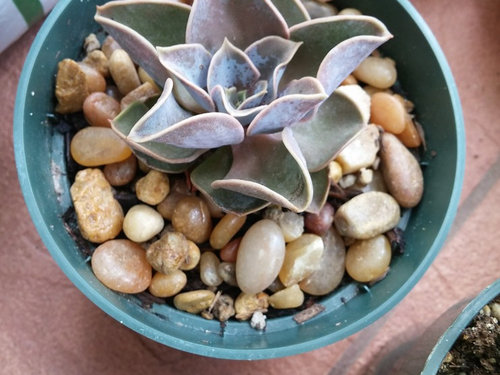
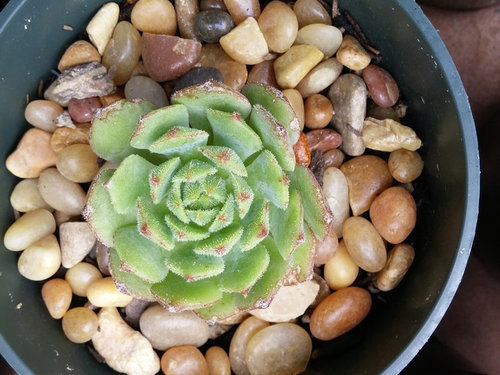
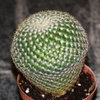
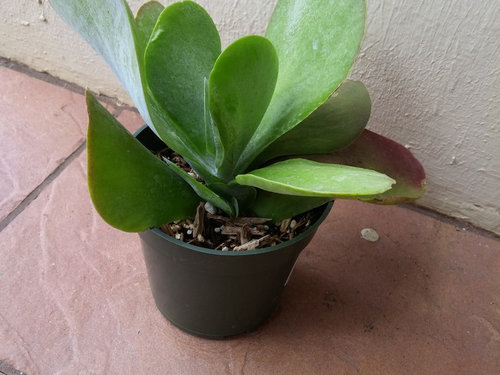
1. Flapjack is too flappy, not holding up its leave as much as it did when I first got it. I gave it a food watering and put it in a shadier spot for now. I thought giving it the most sun I can would be good. Losing its red edges. ): (not repotted)


2. Perle von nurnberg is closing up and very soft. I have it a good watering today and put it where it gets most sun. Powdery cover is gone cause I got freaked out when I saw mealy bugs on my kiwi and sprayed the crap out of everything.


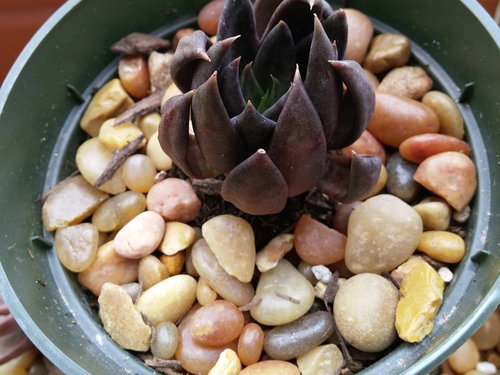
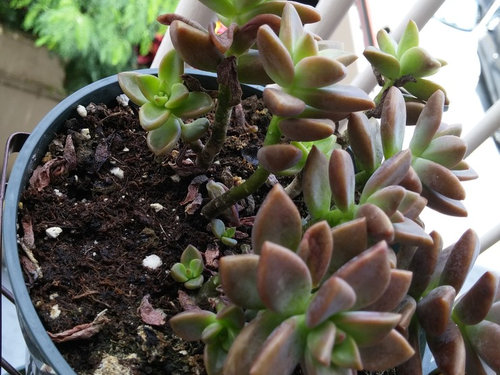
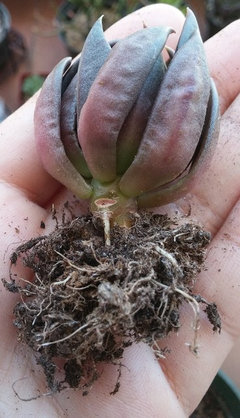
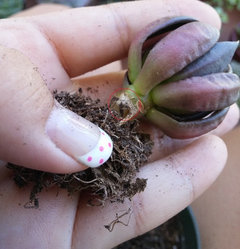
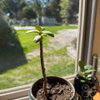
3. Black knight is closing up too. There are wrinkles on thd outter leaves too. I gave it a good watering and put it where it gets more sun.


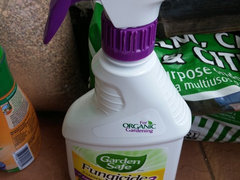
4. Aeonium kiwi has mealy bugs so I'm using the spray used pictured at the bottom. They haven't gone away yet and leaves are wrinkley.


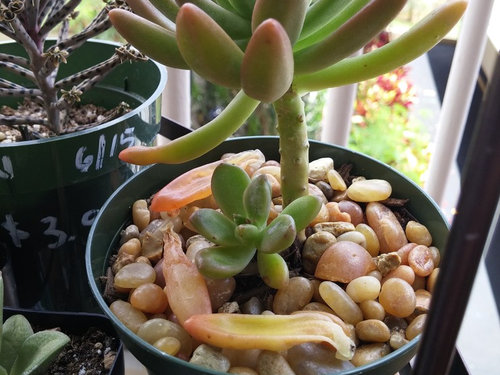
5. This pachy-something has also met the same mealy bug fate. The prettt powdery coating has been removed cause of covering in the spray. ): The bottom leaves are falling off and yellowing. Is that overwatering?


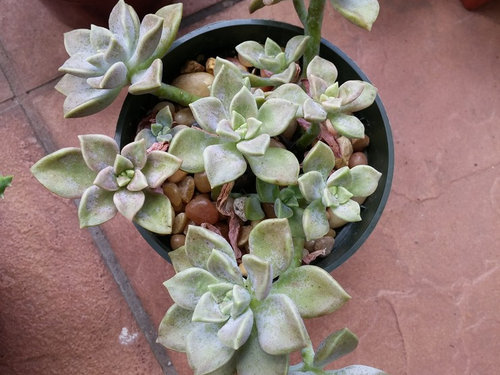
6. My graptopetalum ghostie has bottom leaves shriveling off and the leaves look "dirty", but I can't wipe anything off. ): I put it back in the sun after it greened up from being in shade. Gave it a good watering too. This usually gets more watering than my other succulents because I see all those leaves shriveling. You can see the pink dried up leaves.


7. Vera higgins leaves are also shriveling off and greening up on top even though it gets more sun than the rest. This pic is after watering. I admit that I haven't watered this one much. (not repotted)


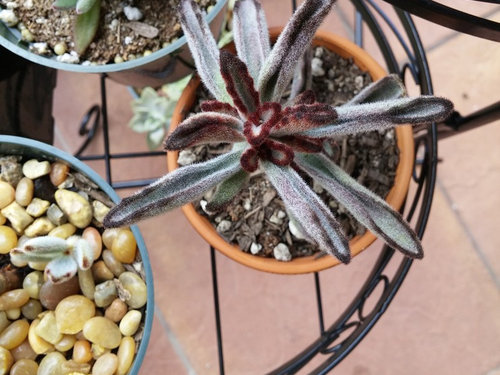
8. Panda leaves are curling like a tube? I've been watering it more. Leaves are drooping down too and very soft, but thin.


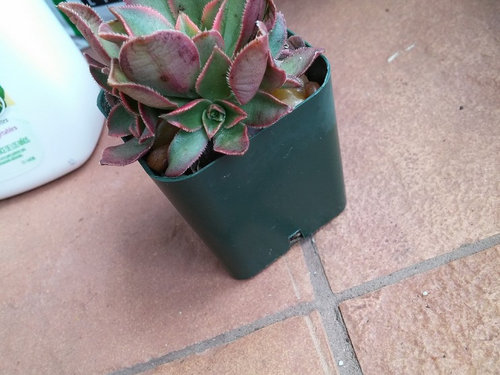
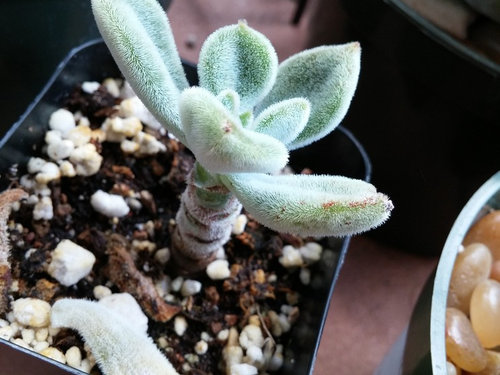
9. The nursery told me this is an older plant cutting. Does that mean it needs more water? (not repotted)


10. This dondo or something has been getting more and more rough around the edges. I thought is was burned by the sun? But the outer leaves are soft. I put it in a shadier spot for now.


Any help and advice are appreciated!

Comments (15)

  • 11 years ago


    The combo fungicide/insecticide I use.

  • 11 years ago

    I would uproot at least one of them and check the roots.

    I don't know how much sun they get and how much they heat up, but my first thought was 'don't they get cooked in those plastic pots?'

    joycentric thanked MsGreenFinger GW
  • 11 years ago
    last modified: 11 years ago

    Rina gave you good advice, i just want to add because of your very humid climate, your mix will stay wet longer. You can do a search for "Gritty Mix" in the search bar which will help you in making a very well draining mix and also explain about water retention and perched water in pots. I mustve been posting when MsGreenfinger was lol. She has a good idea about checking the roots, but I believe it looks like all your plants need a better draining mix especially because of your weather.

    joycentric thanked LilBit7765
  • 11 years ago

    Thank you everyone!

    Rina- Sorry I wasn't clear. I check the soil with a wood toothpick before watering it until the water comes out the bottom. I always thought my soil was okay to use because peat moss wasn't listed in the ingredients. Would adding perlite to my soil be an improvement? I'd like to wait until I get a better mix before repotting higher.

    MsGreenfingers- I thought plastic pots were okay? I'll be moving to a house in a couple of years and figure that plastic pots wont break as easily as terra cotta when transporting.

    I had time to check my black knight before work and it was pretty dry. Do you think the red circle in the second picture is rot or callous marks?


    LilBit- I read that the gritty mix still held a lot of water because of the turface and the bark fines can get hydrophobic and compact down. I'm also afraid that if I use the gritty mix, replanting later in the ground would not go over so well especially since there is not much organic material besides the bark fines.

  • 11 years ago
    last modified: 11 years ago

    I am not familiar with the soil you are using, but reading the ingredients you posted there is lots of organic matter (pls. no offense but I don't like the ingredients listed for containers, but would use that soil for garden plantings - JMO!) - it will keep the water in longer; and manure is not recommended for containers. Few ppl use it, I personally wouldn't - I grow many vegetables in containers and still don't use it. I have number of hot peppers this year potted up in inorganic mix. To see if there is any significant difference, I added - to about 1/3rd of the pots, about 10-15% of total volume of coir.

    Gritty mix could be made without bark (that's what I do) - I use mixture of grit, perlite and turface - mostly in equal amounts. Turface will hold more water, so one can decrease amount of it.

    The dark spot on your echi may or may not be rot: does it feel soft? Is there any liquid coming out if slightly squished? It doesn't look like rot on the photo-but can't tell for sure from it.

    Planting in ground is different than in pots. In the meantime, the plants should be grown as healthy as possible while in pots.

    The 'peachy-something' plant in your original post has lost leaves (yellow and very soft/watery looking) to too much moisture in my opinion. Not necessary watering if you keep checking the soil, but you are saying the climate is very humid. In case like that, I would put my succulents in grit and perlite, plant them high (on a little mound, so they sit above the rim) and make sure there is air circulation - whatever best possible in your locale - I may even consider a fan?

    To me, amount of sunlight sound good for your climate - mostly morning sun I think. Hottest should be around 1-3pm or so?

    The plastic pots are good in general, but again you are saying it is too humid. Keeping plants in inorganic mix and planted high as I suggested may help. And dark colored pots may heat up more, and dry out slower - I don't have that experience in cold Canada...Rina

    joycentric thanked rina_Ontario,Canada 5a
  • 11 years ago
    last modified: 11 years ago

    I have the same 3 in 1 fungicide and it contains neem oil. Many plants are sensitive to oil applications, but even more so in hot and humid conditions or when they're stressed. For me, applying this to the leaves of most succulents causes them to drop. My Dorstenia crispa var. lanceolata's flowers get slightly fuzzy as seeds mature, but at first I thought it might have been mold, so I sprayed the plant thoroughly one time just in case. All 4 mature flowers dropped, along with 15ish established leaves.

    Your plants might be going through a similar reaction, as your climate is less hot, but just as humid. If the roots look good, only lower leaves are drying up, and there's still new growth occurring in current tly growing plants, I'd say this is a reaction to the neem oil.

    That being said, I grow most of my plants in what basically amounts to Al's gritty mix with coir instead of bark. Most plants I've tried here in normal C+S soil rot except for sedums and other hardier succulents.

    joycentric thanked Ben was 10a/26, now 7a/34
  • 11 years ago

    FYI, Joycentric - I am in SW Florida. We are hot and humid and have a LOT of rain during the summer. Humidity is always high. When I plant my succulents in the ground, I fill the holes with gritty mix. This works for ME, and may be beneficial for you. Our 'soil' is pretty much sand - and construction debris! Some of my plants are in plastic containers. The right substrate has helped a lot, and terra cotta pots work the best for me.

    Not all plants will grow here, especially when planted in the ground. But so far the gritty mix has helped me a lot. Just tweak it for your particular needs.

    Good luck and happy growing!

    joycentric thanked Crenda 10A SW FL
  • 11 years ago

    You guys really know lots!


    Rina- The spot feels hard so I think it's safe to say it's not rot! I'll try your version of gritty mix, and tweak the turface a bit. I hope I can find some grit around here. You know so many solutions to succulent problems!

    My plants are all on a balcony so they get the tradewinds and bright shade after 11:30am-ish.


    Ben- I hope it will bounce back! I'm gonna switch over to dish soap and water to see if it is a neem oil reaction, but it looks like overwatering as well.

    Adding coir to gritty mix seems like an interesting idea. Would that cause a higher chance of rot?


    Crenda- How much more did you find yourself watering when you switched to gritty mix in the pots? My balcony doesn't get hit with rain.

  • 11 years ago
    last modified: 11 years ago

    Thanks for the positive vibes! :-) It's still chugging along perfectly, threw up 3 more flowers and it's now making more leaves. And it depends on which plant you're planting in the coir mix. Some succulents come from semixeric grasslands or forests and appreciate some organics (many Stapeliads and Malagasy Euphorbs), while some plants from saxicolous niches (cliffs, rock crags) and many plants from very xeric landscapes (such as quartz fields or gypsum flats) will likely be at an increased chance for rot if they are given a large portion of organic material (many cacti and montane mesembs, Pseudolithos, etc). I typically still add some organics to these soils, but not as much as I do to less xerophytic succulents.

    Coir, IMO, is one of the best possible organic components you could add to succulent soil (roughly chopped orchid sphagnum moss is also very good; both can be pretty expensive, however). Coir maintains high oxygen content, which helps keep the soil from becoming anoxic, especially if the soil oxygen is replenished through water from highly oxygenated water sources such as rainwater. Both of these materis also maintain their ability to absorb water, while many other organics become hydrophobic over time if allowed to dry completely (such as for a strict dormancy period).

    joycentric thanked Ben was 10a/26, now 7a/34
  • 11 years ago

    I wanted to add one important thing: if using any sprays like fungicide or even alcohol to wipe off the leaves, don't do it keeping the plant in sun. I have used some home made sprays in the past, but same would apply - spray plants while in shady spot. Many ppl don't recommend using soap and water.

    Rina

    joycentric thanked rina_Ontario,Canada 5a
  • 11 years ago

    Ben- I'll definitely try the coir in my mix. I've used it before when I was trying out hydroponics and it got pretty messy. If it comes in the brick form that you have to rehydrate, should I dry it completely out before mixing?


    Rina- Ahhhh, I had left it in it's usual spot! I'll move it to a shady spot as soon as I get home! And nix the soap and water!

  • 11 years ago

    Maybe you don't need to move it now - when was it sprayed? Worse is the day using the spray...

    I have used the coir, after rehydrating I just mixed it with grit and turface and used the mix as-is; it was just moist.

  • 11 years ago
    last modified: 11 years ago

    I don't know, I've only ever bought the Canna coir 50-lb bags from the hydro store, comes pre-everythinged and heat treated for better oxygen balance and what have you. The hydro guy said it shouldn't need a rinse because the company flushes salts in their treatment process.

  • 11 years ago

    Three more leaves have succumbed to falling off the succulent in #5 today. ):

    Rina- I had sprayed it a couple days ago so it was sitting out in the sun the day of spraying. ):


    Ben- Ahh, I see. I'll have to look on the label if it's been flushed to get rid of salt.