

Stripping Wallpaper advice
11 years ago

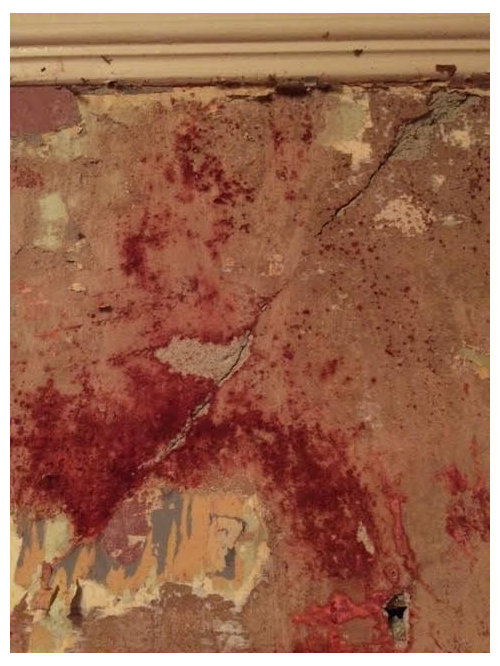


Featured Answer
Sort by:Oldest
Comments (13)
Related Professionals
Jackson Home Remodeling · Lynchburg Home Remodeling · New Haven Home Remodeling · Augusta Home Remodeling · Middletown Home Remodeling · Minot Home Remodeling · Rock Springs Home Remodeling · Kahului Home Remodeling · Honolulu Home Remodeling · Port Saint Lucie Home Builders · Indianapolis Home Builders · Augusta Home Builders · San Bernardino Home Builders · Petersburg Kitchen & Bathroom Designers · Sioux Falls Kitchen & Bathroom Designers 11 years ago
 PRO11 years agogreenlaker7 thanked Christopher Nelson Wallcovering and Painting
- PRO11 years agogreenlaker7 thanked Christopher Nelson Wallcovering and Painting
- 11 years ago
- 11 years ago
- PRO11 years ago
- 11 years ago
- 11 years ago
- 11 years ago
Related Stories

LIFEEdit Your Photo Collection and Display It Best — a Designer's Advice
Learn why formal shots may make better album fodder, unexpected display spaces are sometimes spot-on and much more
Full Story
HOUSEKEEPINGLower Your Heating Bills With Some Simple Weather Stripping
Plug the holes in your house this winter to make sure cold air stays where it belongs: outside
Full Story
KITCHEN STORAGEKnife Shopping and Storage: Advice From a Kitchen Pro
Get your kitchen holiday ready by choosing the right knives and storing them safely and efficiently
Full Story
TASTEMAKERSBook to Know: Design Advice in Greg Natale’s ‘The Tailored Interior’
The interior designer shares the 9 steps he uses to create cohesive, pleasing rooms
Full Story
BATHROOM DESIGNDreaming of a Spa Tub at Home? Read This Pro Advice First
Before you float away on visions of jets and bubbles and the steamiest water around, consider these very real spa tub issues
Full Story
DECORATING GUIDESDecorating Advice to Steal From Your Suit
Create a look of confidence that’s tailor made to fit your style by following these 7 key tips
Full Story
FARM YOUR YARDAdvice on Canyon Farming From L.A.'s Vegetable Whisperer
See how a screened garden house and raised beds help an edible garden in a Los Angeles canyon thrive
Full Story
WALL TREATMENTSTempted to Try Wallpaper? 10 Tips for Finding the Right Pattern
Before you lay down a lot of cash, sit down with this advice for getting a wallpaper you’ll love for years
Full Story
LANDSCAPE DESIGN4 Gorgeous Garden Looks for a Narrow Planting Strip
Make a strong design statement in an unexpected place with these ideas for perimeter plantings, pocket gardens and more
Full Story
DECORATING GUIDESHow to Remove Wallpaper in 4 Steps
Learn the best way to remove wallpaper with only water (and elbow grease) so your next wall treatment will look great
Full Story


weedyacres