Software
Houzz Logo Print
jentsu926

Heartleaf philodendron - curled leaves but seems healthy?

11 years ago

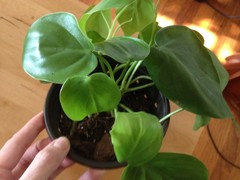
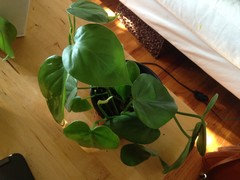
Ok, I tried doing image searches of heartleaf philodendron and not much came up, except the perfect specimens. I have several small ones that I replanted two weeks ago in only a slightly larger pot (maybe an inch or so in width).

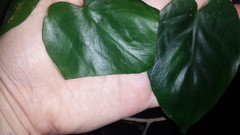
So far they seem to be okay, but some of the smaller, newer leaves have a very slightly curled appearance. I just wonder, as the leaves grow much bigger, do they "uncurl" a bit? Some of them even looked this way when I brought the plants home from the nursery, but I keep getting new little leaf shoots, which is why I think it can't be that bad.

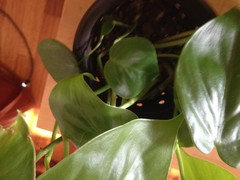
They get a few hours of medium light from my West window, and then I put them back on the shelf when the sun goes down. Haven't put any fertilizer in yet, since they were recently repotted. I water using a wick at the bottom, every 10 days or so, and you can see I punched holes in the pot for aeration.

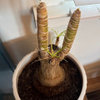
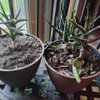
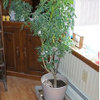
Or is something really wrong here? Photos below.

Comments (19)

  • 11 years ago

    So my photos didn't work the first time? Weird.


  • 11 years ago

    I think that is caused by getting too dry at some point during leaf development ... It probably won't straighten out much, if any =/ Looks nice and healthy though =)

    jentsu926 thanked realcocacola78
  • 11 years ago

    Wow, and I thought I was overwatering it at times (the reason for the punched holes).

  • 11 years ago

    These are native to tropical rainforest-like areas where they like to grow up the sides of trees and other plants, so they prefer humidity and moisture ... They don't like standing in water, however ... And they have learned to adapt to being houseplants and being on the dry side, but it will be reflected in how their leaves develop =)

  • 11 years ago

    Heart leaf likes it moister than say a pothos likes

    jentsu926 thanked Sans2014
  • 11 years ago

    Thanks! I'll up the water a bit and see if there are any changes.

  • 11 years ago
    last modified: 11 years ago

    They can droop for many reasons. The two MAIN reasons being: #1 over watering. When you stick your finger down into the soil and rub it with your thumb do you feel wet?

    #2 under watering. When you stick your finger in the pot, is it cool/damp but when you pull your finger out and rub it with your thumb, you can tell it's dry. (No water between your fingers)

    If they are new plants (rooting) then it just means they don't have enough roots yet to supply all the water to the leaves to supply their transpiration. What you can do is cut the larger leaves in half going along with the shape of the leaf. Like this:

    But you can do a better job at following the shape of the leaf.

    Since you are using a wicking system, it very well could be that they have soggy roots at the bottom, but the top is drying out. That would cause the roots in the bottom to rot.

    Just throwing as much info out there as incan.

    jentsu926 thanked laticauda
  • 11 years ago

    Thanks! I went on ahead and trimmed some leaves like you suggested. This soil thing is becoming very frustrating to me. I am using coarse orchid mix and perlite, so I just don't understand (Al's 5:1:1 soil mix ingredients not available in my area, so had to improvise). I let it get pretty dry before watering. You can see I've done everything to try and get excess moisture out, holes in pot, wick, etc.

    I did pull out some roots and noticed that they were coated with an almost dried mud type substance. I'll bet anything this is dried peat. It can't be good. Grrrr....why is this stuff in everything en masse, even "fast draining" orchid mixes? It is the bane of my existence!


  • 11 years ago

    Maybe it's getting too dry between waterings?

    I have two of those self watering window box things and I am having trouble with one of them. I am guessing it's trial and error with every type of plant.

    jentsu926 thanked laticauda
  • 11 years ago

    I have no idea what could be going wrong. I'm thinking of watering just every 7-8 days vs 10, but I'm kind of scared to go above that for the dreaded root rot and for whatever this dried "mystery mud" is. As long as I get new leaves, I think I'll be ok, and to avoid too many losses (just in case), will take a few cuttings to root before growing season ends.


    I spent around $35 on about 6 of these in hopes of creating a large, arrangement on my shelf (I know, stop looking at interior design blogs!) as they grew bigger, so I just hate for anything to go to waste. It's the frugality in me. : )

  • 11 years ago

    some times a plant has to break the owner in!

  • 11 years ago

    I personally have found a rigid "every so many days" watering schedule doesn't work for me ..... Too many variables ..... Temperature, humidity, light intensity, exact amount of water given ...... I prefer to use the "finger in the soil" method =)

  • 11 years ago

    If you use a more chunky/porous/airy soil, the risk of root rot can be virtually eliminated, especially for plants that do not like to dry out, like Philodendrons. It's easy to let a cactus dry out & they like that, but isn't necessary for leafy tropicals, and they don't like it, unless the soil is causing a problem.

    jentsu926 thanked Tiffany, purpleinopp Z8b Opp, AL
  • 11 years ago
    last modified: 11 years ago

    I have had problems when I've used too much composted wood fines/bark in my mixes. I don't have orchid bark, but that's about the same size as the compressed coco coir chips, right?

    But I imagine they hold 10x their weight in water, maybe half these and half the composted bark fines?

    My remedy has just been to add vermiculite (EXPENSIVE!) and perlite (lots of this) to compansate. And I like a little bit of chick and a little bit of chicken grit but that's normally just because there's soil left in the bucket frome potting something else up.

    jentsu926 thanked laticauda
  • 11 years ago

    Thank you, laticauda. When I check the soil to water, it is usually very dry on top. Usually I feel through the bottom holes, too, and while it isn't "dusty dry," it is dry. What could still be happening is water retention right at the roots due to this weird soil.

    The bark I have in there is rather chunky like the coco coir above, and there is a fair amount of perlite, but I what I suspect is peat is the problem. There isn't much of it, but what is there just seems to just cling to the plant roots. That could be a good thing or a bad thing--I mean, the nursery used peat without issues, right? I should have sifted it all through a colander or something before I put it in, but it honestly didn't look that bad out of the package.

    Never buying bagged soil again, unless it's fast-draining bonsai mix.

    Thanks for everyone's help. Maybe the better looking plants will pull through this at least. I pulled out the one very droopy plant and the roots I trimmed weeks ago have hardly budged in growth. :(

  • 11 years ago

    Or maybe the entire root ball isn't being made wet when you water?

  • 11 years ago

    I personally think you are worrying too much about root rot .... These plants are one of the most hardy out there, and can withstand a fair amount of abuse. Root rot isn't very common in these plants unless they are in a clay-type soil, pot with no drainage hole, or pot & saucer combo with constant standing water .... Roots are meant to be in dirt and covered in stuff! =)

  • 11 years ago

    I would skip the vermiculite in the future. That collapses when wet, the opposite of helpful. Perlite can help maintain more air, it's a good thing.

    But it's not about the "ingredients," just the texture/size of them. Larger particles = good, smaller particles (like sand, silt, clay) = not good. If you have a jar of sand, how much air is between the particles? If you have a jar of peas, how much air is between the particles? Now, what happens if you add sand to the peas? Still air between particles? probably not. Keeping that difference in mind should help those who want to mix up their own stuff. Avoid/eliminate the smaller particles. There are also recipes one can follow. Happy to help folks find those if they haven't already.