

What creatures make good worm neighbors?
11 years ago
Featured Answer
Sort by:Oldest
Comments (10)
- 11 years ago
Related Professionals
Macon Landscape Architects & Landscape Designers · Concord Landscape Architects & Landscape Designers · Greensboro Landscape Architects & Landscape Designers · Ardmore Landscape Architects & Landscape Designers · Gloucester Landscape Architects & Landscape Designers · Lawrence Landscape Architects & Landscape Designers · Buffalo Landscape Architects & Landscape Designers · Kenosha Landscape Architects & Landscape Designers · Louisville Landscape Contractors · Hartford Landscape Contractors · Brattleboro Landscape Contractors · Wausau Landscape Contractors · Santa Rosa Landscape Contractors · Mesquite Landscape Contractors · Santa Maria Stone, Pavers & Concrete 11 years ago
 11 years ago
- 11 years ago
- 11 years ago
- 11 years ago
- 11 years ago
- 11 years ago
- 11 years agolast modified: 11 years ago

Related Stories
LANDSCAPE DESIGNGood Fences, Good Neighbors — and Good Views
See-through vertical fencing connects a yard with its surroundings while keeping children and pets safely inside
Full Story
GARDENING AND LANDSCAPINGRaise Backyard Chickens Without Ruffling Neighbors' Feathers
Before you build a coop in the backyard, follow these strategies to help keep your neighbors from squawking
Full Story
FEEL-GOOD HOMEWhat Really Makes Us Happy at Home? Find Out From a New Houzz Survey
Great design has a powerful impact on our happiness in our homes. So do good cooking smells, family conversations and, yes, big-screen TVs
Full Story
FEEL-GOOD HOMEHow to Make Your Home a Happier Place
Create a haven that makes you feel good every time you walk through the front door
Full Story
FARM YOUR YARDHello, Honey: Beekeeping Anywhere for Fun, Food and Good Deeds
We need pollinators, and they increasingly need us too. Here, why and how to be a bee friend
Full Story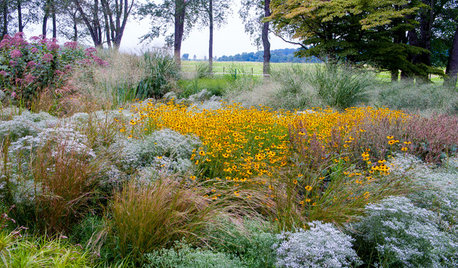
GARDENING GUIDESThe Surprising Ingredients Every Good Garden Should Have
See what to do — and not do — for lasting rewards in your landscape
Full Story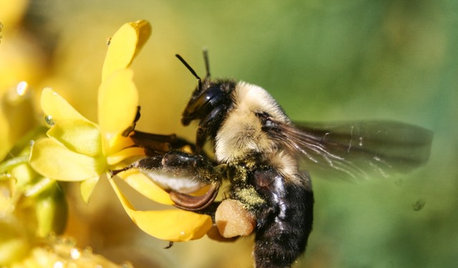
GARDENING FOR BUTTERFLIESGardening for the Bees, and Why It’s a Good Thing
When you discover how hard bees work for our food supply, you may never garden without them in mind again
Full Story
EARTH DAYHow to Help Your Town’s Beneficial Birds and Bugs
Make a habitat using local materials to provide a home to the creatures that help our gardens
Full Story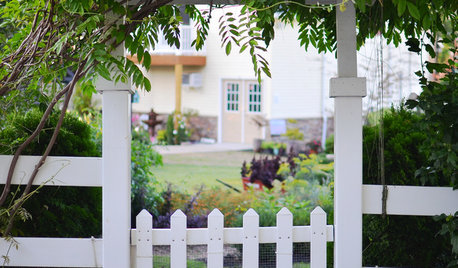
BUDGET DECORATING14 Ways to Make More Money at a Yard Sale — and Have Fun Too
Maximize profits and have a ball selling your old stuff, with these tips to help you plan, advertise and style your yard sale effectively
Full Story
GREAT HOME PROJECTSHow to Make Your Garage a Storage Powerhouse
New project for a new year: Add shelving and containers to get your stuff off the garage floor — and still have room for the car
Full Story
Sponsored
armoured