

Cherry Tree Groups
11 years ago
Sort by:Oldest
Comments (2)
Related Stories
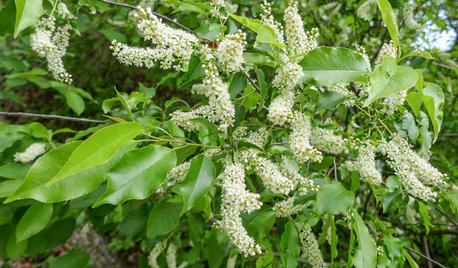
GARDENING GUIDESPlant Black Cherry Trees for the Birds and Bees
Plant Prunus serotina in the Central and Eastern U.S. for spring flowers, interesting bark and beautiful fall color
Full Story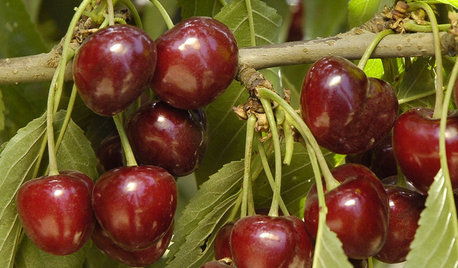
EDIBLE GARDENSHow to Grow Your Own Luscious Cherries
Nope, they’re not the easiest fruit to grow. But with spectacular blossoms and pies as possibilities, cherries are sure worth a try
Full Story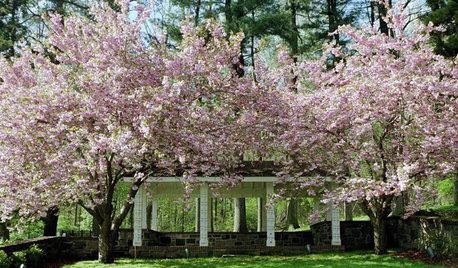
MORE ROOMSCherry Blossoms Spring to 100
This years marks the centennial of the beautiful trees' arrival on our shores. Below, a few ways to celebrate with your landscape and décor
Full Story
EDIBLE GARDENSHow to Grow 10 Favorite Fruit Trees at Home
Plant a mini orchard in fall, winter or early spring to enjoy fresh-off-the-tree fruit the following year
Full Story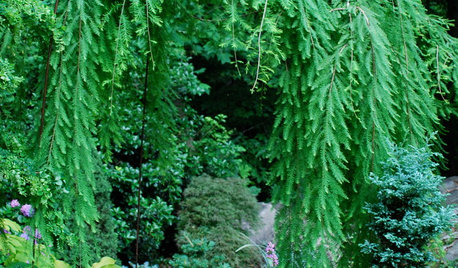
LANDSCAPE DESIGNThe Weepers and the Creepers: 10 Intriguing Trees for Your Garden
Bring something a little different to your landscape with a tree that dives, twists or crawls
Full Story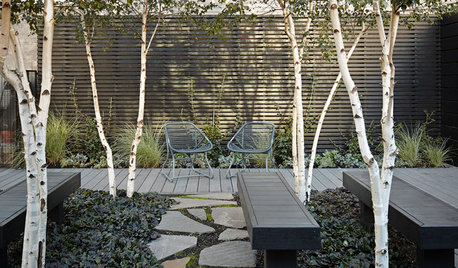
LANDSCAPE DESIGN5 Ways to Use Trees to Create a Sensational Garden Space
Trees define spaces in multiple ways and bring a layer of shade and intrigue to the landscape
Full Story
EDIBLE GARDENSHow to Add an Apple Tree to Your Edible Garden
Readily available, beautiful and fragrant, apple trees offer four-season interest along with crisp, juicy fruit
Full Story
TREE HOUSESHouzz Call: Show Us Your Well-Designed Treehouse or Tree Fort!
Got a great treehouse or tree fort? We want to see it! Post yours in the Comments and we’ll feature the best in a future article
Full Story
TREESHow to Buy Healthy Trees and Shrubs
A healthy young plant with a strong form is more likely to do well in your yard. Here’s what to look for at the nursery
Full Story
SHOP HOUZZShop Houzz: Celebrate Cherry Blossom Time
Capture fleeting cherry blossoms with inspired designs
Full Story
parker25mv
parker25mv
Related Professionals
Saint Cloud Landscape Architects & Landscape Designers · Albany Landscape Architects & Landscape Designers · Rapid City Landscape Architects & Landscape Designers · Tampa Landscape Contractors · Danbury Landscape Contractors · Waterbury Landscape Contractors · Trenton Landscape Contractors · Salinas Landscape Contractors · Mesquite Landscape Contractors · Dayton Home Additions · Ottumwa Home Additions · Mankato Home Additions · Bennington Home Additions · Janesville Home Additions · Sacramento Home Additions