Software
Houzz Logo Print
kimajobin

Hydrangeas are not doing well

11 years ago

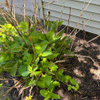
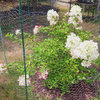
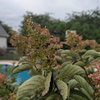
I've had these Endless Summer Hydrangeas in the ground for about 6 years. They did pretty well until this year. They bloomed one time in May. They then went from the blooming picture to what they are now. The leaves are extremely small and sparse. It Looks like it's dying in spots. I live in Houston. They get shade all day until around 6 then they get 2 hrs of pretty hot sun. I've fed them miracle grow and I've put fungicide on them. Any idea what's going on


Comments (9)

  • 11 years ago

    Looks like a disease to me, where the leaves start to turn brown from the outside inward and then fall off from the bottom up. Not sure what exact disease, but even dry or sunny conditions can't seem to cure it.

  • 11 years ago

    That one on the end looks like it has root rot. Does the soil in that planter drain well? How much water have they been receiving?

  • 11 years ago
    last modified: 11 years ago

    Hello, Kim. Try to describe how much water they get in terms of gallons and how often. And is the soil kept evenly moist?? Because to me this looks like uneven watering (that means having periods of dry, followed by periods of moist-dry-moist-etc). The dry periods and near 100 temps in Houston would brown out leaves during periods of dryness. Then you get new (replacement) small leaves... or no leaves until the shrub gets lower temps in September. I had this issue once when my drip irrigation system was not passing much water thru all the tubes and almost lost a few hydrangeas and camellias. Of course, it had to happen by the end of the summer. I added water manually thinking the drip was also watering but things did not get better and they looked like yours before I found the problem with the drip tubes.

    I did see some wilting near the end of a picture too but that is common during the day here so I first thought of root rot but, since you have similar temps to me now, I am thinking that maybe it is unhappy hydrangea leaves in the Texas summer. Perhaps you could help figure that. If it is root rot, leaf wilting would persist all the time, day or night, even when the soil is moist. Are they wilted all day and ALL NIGHT? If not sure, can you make sure that the soil is moist -not wet- one evening and then -in the morning- check the leaves to see if they look either wilted or not wilted?

    Also, do you know what soil pH readings does the soil have.A few areas in the lower left of Pic 3 look chlorotic. Up here in D/FW, I have to amend the soil a second time to prevent that.

    I could not tell from the pictures if you have mulch under them; do you? Try maintaining 3-4" of organic mulch year around.

    Regarding the fertilizer, how much Miracle Gro do you use and how often? I fertilize them with a general purpose, slow-release fertilizer in Spring and that keeps them happy for the whole year. I also amend the soil to keep it acidic in Spring always and, again when the leaves look chlorotic, at the end of Summer. Clorotic means that the color of the leaves looks light green or yellowish but the leaf veins remain dark green.

    Sorry for all the questions...

  • 11 years ago

    I'm am happy with all of the questions!! I don't want to lose these guys. I love them so much! I don't think it's root rot. After reading your comments about the water it's pretty much what you said. I water them every few days heavily but they definitely have the uneven watering. It's been so dry here that I can't keep them happy. They will wilt then perk back up after watering. I don't have mulch down but I will do that. I've been giving them the liquid miracle grow once a week and I'm using the recommended dosage on the package. The coloring seemed to get alot better after that but they still had the tiny leaves and no flowers. I'll check the ph, (can you tell me where it should be and what product would I use to fix that). By correcting the PH level will it fix the chlorotic issue? I'll also get some mulch in the flower bed and run a drip line so they will get even watering. Should I go ahead and put down the slow-release fertilizer or wait until the spring? thank you so much for your help. I couldn't find anyone here that knew much about these flowers!

  • 11 years ago

    One other thing! Do I need to lower the PH? Not sure if that is just for changing the colors or if Hydrangeas need a certain PH to be healthy....

  • 11 years ago
    last modified: 11 years ago

    At this late time frame, I would leave the fertilizer for Spring and amend the soil to correct the chlorotic leaves. These amendments do both things you asked about: they lower the pH to make the soil acidic and, as a byproduct of lowering the soil pH, the plants can absorb aluminum and this aluminum is what can change the color to purple or blue in hydrangeas. I usually apply the required dosages once in Spring or once in late Summer and it lowers the pH enough to correct the chlorosis but not enough to change the color of the blooms. See what works for you.

    You can find these amendments at plant nurseries that sell azaleas, camellias and hydrangeas. They come in two "flavors": liquids are faster acting but have to be applied more often; granular ones are longer acting but take a while to fix the problem. Both are still slow and do not correct the leaves overnight so be ready to wait weeks. The liquid compounds are called sometimes iron-chelated compounds and the labels use the words iron or iron chelated. I remember one brand name as Greenlight or something like that but there are quite a few. The granular ones include aluminum sulfate, garden Sulphur and an organic product sold here in Texas called greensand.

  • 11 years ago

    Just a short post script since I also have drip irrigation. Up here, I have the drip set to deliver 1 gallon of water at all times except during the summer when I set it to deliver 1.5 gallons per watering. Even though it goes 'on' twice a week and even though the plants are mulched, I find that hand watering on Sundays -when the temps are daily on or above 100-, keeps the leaves from wilting during the day. Just drip by itself did not do it. See what works for you.

  • 11 years ago

    Is it possible they are planted so close together that their root systems are competing for water in that confined space. If not that, is risk of disease (water borne or not) greater with that close planting,

    Don't know. Just asking.

  • PRO
    11 years ago

    Stop fertilizing which gives signals to make new sprouts when they are stressed. Think about giving Monster with Everclear <sic> spelling to a sick patient oh no...? A heart patient is dizzy :( poke holes in soil away from root ball, get coffee grounds leftover from your local coffee hang out - apply to soil couple inches away from root ball. Stick your finger in the bed after you water. How much drains? How deep does water soak or does it get stuck there in a bowl? The roots need air and moisture to do their jobs. Your climate you cannot change but the soil, location and water amount you can tweak. If soil does not drain. Do you have green ???? then you must fix the bed and soil to be "fluffy" -- think pillows